
Comparative lead: choosing with purpose
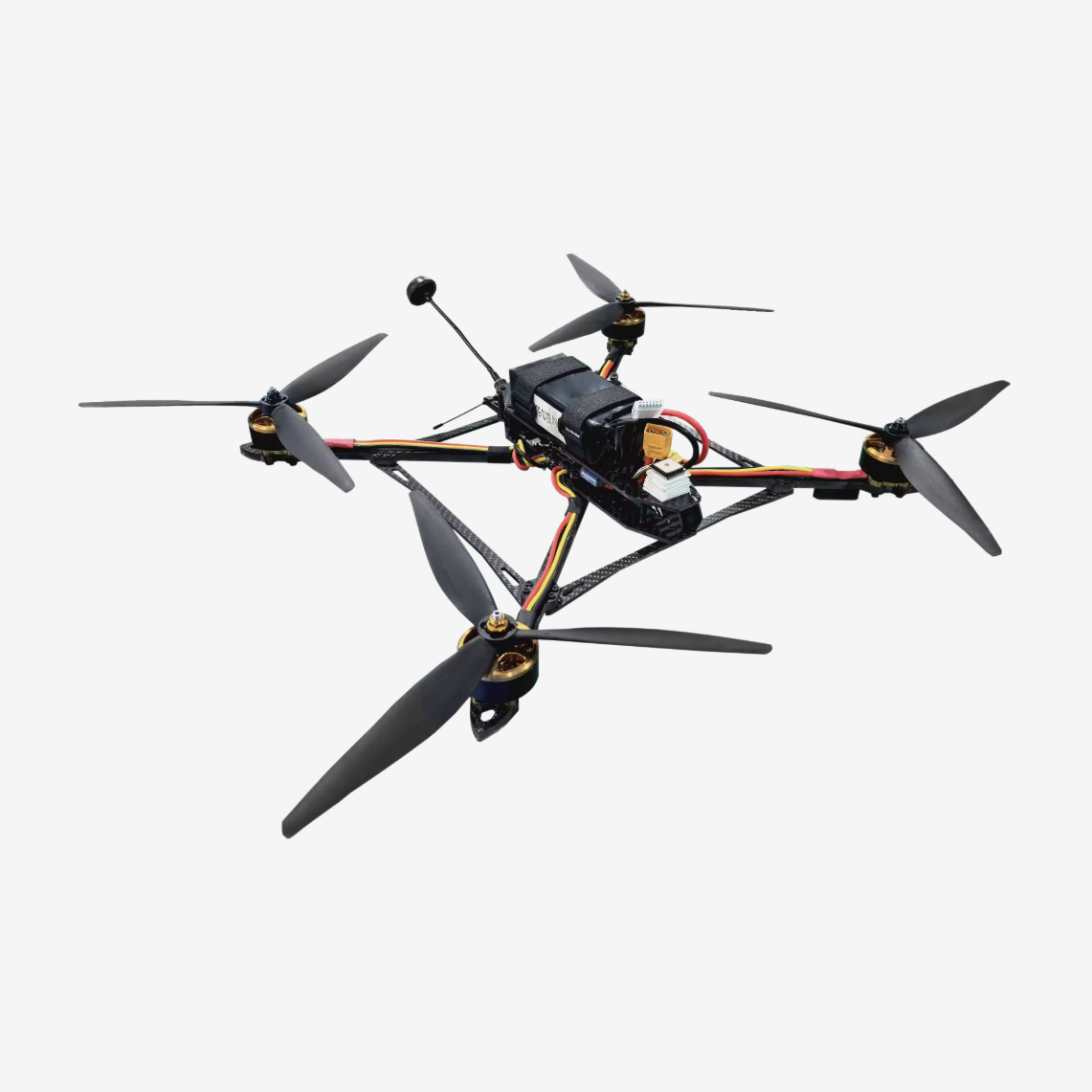
When an operational unit evaluates radar systems for countering small unmanned aerial systems, the choice between hard‑kill and soft‑kill approaches hinges on mechanics, cost, and mission risk. This comparison frames those choices directly for procurement and technical teams, and it accounts for how low‑signature platforms such as fpv drones military change detection math. The first task is to separate detection performance from effectors: radar and signal processing catch a track; interceptors — kinetic or electronic — close the loop.

How hard‑kill systems operate
Hard‑kill solutions employ a physical interceptor to eliminate a target. Typical elements include an acquisition radar, fire‑control, and a kinetic interceptor — missile, projectile, or directed energy. The focus is on engagement timelines and lethality: detection range must exceed effective intercept radius, and radar cross‑section estimates drive lead calculations. Hard‑kill delivers decisive removal of the threat, but it raises collateral and logistics issues, and often demands robust command and control to avoid fratricide.
How soft‑kill systems operate
Soft‑kill uses non‑kinetic means: jamming, spoofing, or cyber effects designed to confuse guidance and communications. Core technologies are electronic warfare (EW) suites and adaptive jammers that alter an intruder’s RF signature. Soft‑kill preserves the environment and reduces munition expenditures, yet it depends on reliable signal intelligence and the ability to deny control links without creating broader RF interference. When the adversary deploys autonomous loitering munitions, soft‑kill can be effective — but only if the radar and signal processing systems can discriminate command links from legitimate civilian transmissions.
Detection realities that tilt decisions
Detection performance is the fulcrum. Two radar metrics dominate procurement discussions: detection range against a given radar cross‑section, and track integrity in clutter. Signal processing improvements — Doppler filtering, micro‑Doppler analysis for rotor signatures — make the difference between a timely soft‑kill and a late kinetic shot. Buyers must benchmark systems against realistic targets and environmental noise, not just lab curves.
Trade‑offs in operational contexts
Compare three operational vectors: urban defense, deployed forward bases, and maritime assets. Urban defense often favors soft‑kill to limit debris and collateral; forward bases may accept hard‑kill because denial of access is paramount; ships require mixed approaches because sea clutter affects track quality. Real-world anchors underscore these lessons: during the 2022 Russia–Ukraine conflict, both FPV‑type strike UAVs and loitering munitions forced rapid adaptation of radars and jammers, illustrating how hybrid tactics exploit gaps between detection and effect — and how countermeasures must be layered. When adversaries field suicide munitions, procurement shifts toward systems that can mix hard and soft responses — see suicide drone military in operational reporting for context.
Systems design and buyer guidance
Designers balance sensor fidelity, processing latency, and effector options. Hardware choices — frequency band, aperture, and receiver dynamic range — set baseline detection. Software choices — classifier libraries for rotorcraft signatures and adaptive nulling for jammers — determine resilience. Procurement teams should insist on field tests against class‑representative targets and require transparent metrics on false alarm rates and time‑to‑intercept.
Common procurement mistakes
Teams often over‑value peak range figures and ignore sustained track stability. Others assume soft‑kill will scale without spectrum management plans. A typical error: buying a high‑power jammer without evaluating the impact on friendly communications. Test against realistic RF environments and include legal and collateral constraints in contracting language — this prevents expensive retrofits later.
Advisory finale: three golden rules
1. Measure resilience: require test data on detection range versus representative radar cross‑sections and clutter scenarios; prioritize systems with documented signal processing benchmarks.
2. Demand layered capability: purchase platforms that integrate both EW and kinetic options or allow modular upgrades to add either; mixed response reduces single‑point failure.
3. Specify operational constraints: include collateral limits, rules of engagement integration, and spectrum management requirements in procurement specs — technical performance divorced from operational fit is risk, not value.
These rules help a program manager translate technical claims into operational certainty — and they point naturally to suppliers that publish transparent test protocols. Military Hub aggregates field reports and system comparisons that align with these criteria — practical, evidence‑based guidance for buyers. —