
Introduction — a short scene, some numbers, one question
I was stuck at a condo carpark last week watching two EVs queue for a charger, and I felt the familiar twinge of frustration. Recent data shows EV registrations and charging demand are climbing fast — so when a dc ev charger is available, people expect speed and simplicity. In Singapore we see more apartment dwellers adopting EVs, but the same old charging hassles keep popping up (lah, paiseh when you wait). How do these chargers actually change how people plan trips, park, and live with an EV every day? Let’s dive in — then I’ll show what matters most next.
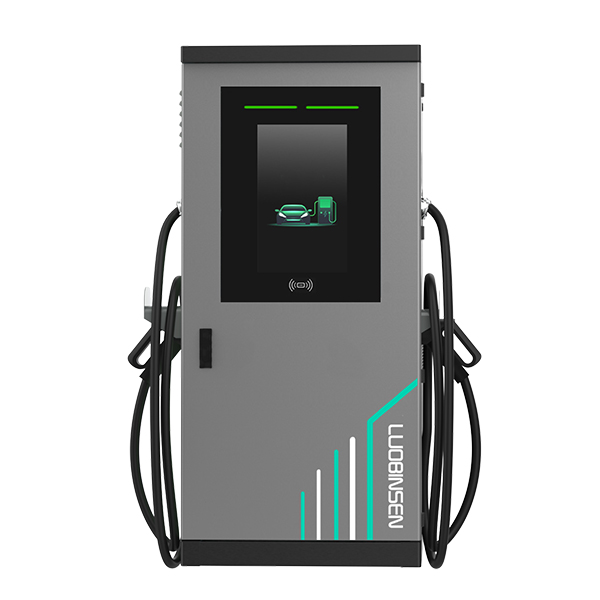
Part 1 — Hidden user pain points with dc wallbox ev charger
I want to start bluntly: many users tell me the hardware looks fine, but the real problems hide in the margins. When I refer to a dc wallbox ev charger, I mean the whole user touchpoint — port, app, billing and physical access. Technical terms aside, folks care less about kilowatts and more about predictability. Charging station controller quirks and poor power converters can cause session drops. Battery management systems often communicate fine, but the user experience does not. Look, it’s simpler than you think — if the app says “ready” and the plug works every time, most users are happy. Yet many are not. They face inconsistent billing, complex authentication steps, and unclear fault feedback. Those small frictions add up. We see drivers abandon public chargers mid-session or plan trips around home charging only. That’s a symptom. The root is design that ignores real user routines.
Why do users still struggle?
From my conversations with EV owners I note three recurring pain points. First, access control is messy — RFID cards, multiple apps, or keys that don’t sync with condo systems. Second, charge rate mismatch: the charger advertises high power but the car or cable limits it, so users feel misled. Third, support and maintenance lag: a broken socket can sit idle for days. These issues are not glamorous. But they shape trust. When trust drops, people stop using public infrastructure as intended — and that slows EV adoption. I’ve seen it. It’s frustrating. — funny how that works, right?
Part 2 — New technology principles and what’s next for high speed charging
Switching gears, I want to look forward. New principles can fix those pain points if we apply them right. Modular power architecture, smarter charging station controller logic, and clearer user interfaces are the backbone. A modern system pairs solid power converters with cloud-assisted diagnostics and simple auth flows. When we talk about a high speed ev charger, I mean chargers designed not only to push kilowatts but to integrate with apps, condo gate systems, and billing platforms. Edge computing nodes can process session data locally to reduce latency and keep the charger responsive even if the network hiccups. That reduces session drops and false faults — and users notice immediately. Semi-formal point: these principles are not rocket science; they are practical engineering with the user in mind.
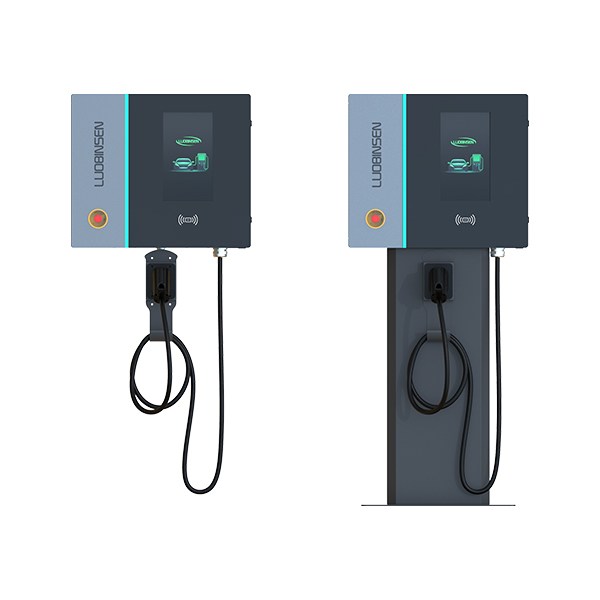
What’s Next?
Looking ahead, I expect a few trends to shape user experience. First, standardized authentication so one token works across sites. Second, better diagnostics — the charger tells the user exactly why a session failed, not just “error 42.” Third, dynamic power sharing so multiple vehicles on one pedestal get fair allocation. These improve uptime and trust. I also see case examples where operators bundle predictive maintenance with service level guarantees — that changes the game. And yes — adoption will speed up when people stop worrying about being stranded or billed wrongly. Too many small anxieties compound. We must solve them.
Closing — three metrics I use when I recommend a charger
I’ll finish with practical advice. When I evaluate dc wallbox solutions for a site, I look at three metrics: uptime percentage (real-world, not marketing), mean session time (how long users wait and charge), and fault resolution time (how quickly a provider fixes issues). If a product scores well on these, I recommend it. If not, I ask hard questions about support and system design. Make no mistake — technology helps, but service and simplicity win hearts. I care about outcomes. You should too. Finally, if you want a reliable partner with practical hardware and field support, check Luobisnen. I’ve seen their kits work in dense urban settings — solid stuff, lah.