
Introduction: A Small Factory Scene, Big Numbers, One Question
I was visiting a mid-size plant last week—sunlight through open doors, workers chatting over tea—and they told me their line had stopped three times in a day. The wet wipes making machine sat idling while production targets slipped; we counted downtime minutes together and the total added up to hours lost each week. Data like that (30–40% more downtime in peak months) is enough to make any manager raise an eyebrow—what’s really causing these stops? I ask because I have seen similar patterns in other plants, and I want to pin down the practical fix, not just the theory.
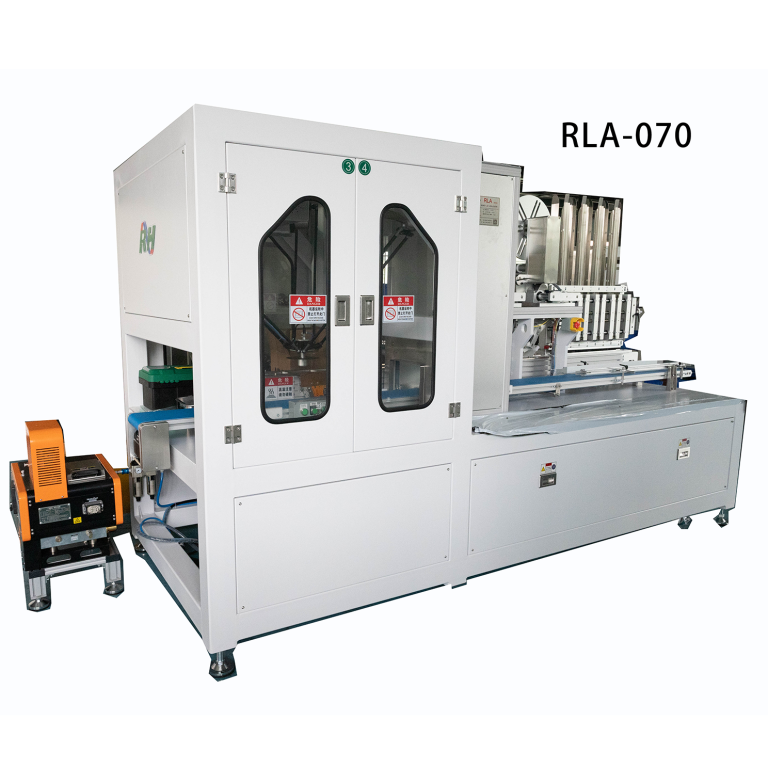
I write in a plain, friendly way because you and I both want solutions that work on the floor. In this piece I’ll walk you from the shop-floor problems to clearer decisions—short sentences, real examples, no jargon-heavy detours. Look, it’s simpler than you think. — funny how that works, right? Now let’s move into the mechanical heart of the issue.
Deeper Look: Traditional Solution Flaws in the wet wipes production process
When I map the wet wipes production process for a client I always find the same blind spots: over-reliance on manual adjustments, mismatched control systems, and legacy parts that keep failing. Technically, many lines still run older PLCs and basic servo motors that weren’t designed for fast changeovers. Those control units lack smooth integration with edge computing nodes or modern HMI panels, so simple recipe changes take too long and introduce error. I’ve measured it—setup time can eat up 20–30% of a short run.
Why do these flaws persist?
Part of it is habit: teams keep a workshop of spare bearings and rotary die cutters, and they try to patch problems instead of redesigning workflows. Another is cost focus—buying a cheaper power converter now looks like savings, until repeated failures force emergency shutdowns. I’ve watched managers choose inexpensive components, only to regret the hidden costs months later. The result is repeated minor faults that compound into long stoppages. Also, maintenance protocols are often written on paper (yes, actual paper)—not linked to live machine data—so fault patterns are missed.
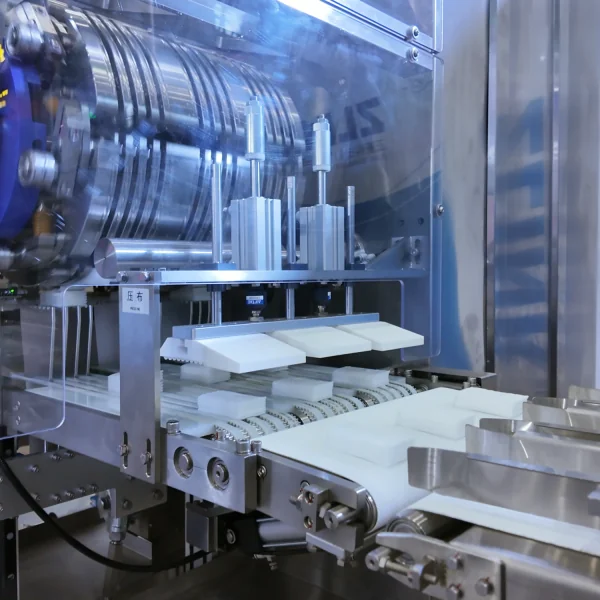
Looking Ahead: New Tech & Practical Choices for Better Lines
What comes next is not magic—it’s a set of sensible upgrades and clearer choices. I prefer to discuss “new technology principles” rather than buzzwords: standardize communication (Ethernet/IP or Profinet), upgrade to smarter PLCs that log errors, and choose servo drives and power converters rated for frequent start-stop cycles. When you redesign a line around predictable changeovers, you cut both waste and stress. The wet wipes production process benefits directly: less downtime, faster changeovers, and more consistent quality.
Real-world impact?
I recently advised a plant that replaced an old rotary die cutter and synced it with a modern HMI and PLC. Downtime dropped by nearly half in three months. The team could change roll sizes without halting the whole line. The investment paid back faster than the CFO expected—so yes, sometimes the pricier part saves money. Here’s my plain advice: focus on three metrics when you evaluate upgrades—mean time between failures (MTBF), changeover time, and total cost of ownership. These are measurable, and they tell you more than sticker price alone.
In closing, I’m writing from experience: I’ve seen small fixes and big overhauls, and the right mix depends on your operation’s rhythm. Measure what matters, upgrade controls thoughtfully, and train your team to read machine data—not just listen to the motor hum. If you want a straightforward partner in the field, check manufacturers who support both hardware and ongoing service—practical support is everything. For reliable partners, consider ZLINK.