
Introduction: A Quick Stop, Or a Slow Wait?
I’ve seen this scene many times on the road: a driver pulls in with 12% battery, hoping for a 15-minute boost, but the station is derated or offline. The power module for EV charger becomes the hero or the bottleneck in that moment. Public reports show uptime can sit below expectations in some regions, and queue anxiety rises when peak demand hits. So, what changes if the station uses a newer module design that wastes less heat and starts clean, every time (sí, de verdad)? We’re talking power density, thermal headroom, and how many failure points sit inside the cabinet. Do we still need complex, bidirectional setups for simple depot or highway charging? Or is a leaner approach better—especially when scale and service matter?

Let’s compare what’s inside, not just what’s on the nameplate. Then we can judge who’s ready for day-one reliability, and who still carries old weight to a new race—funny how that works, right?
Deep Dive: Why “Unidirectional” Often Wins the Day
Where do legacy designs break?
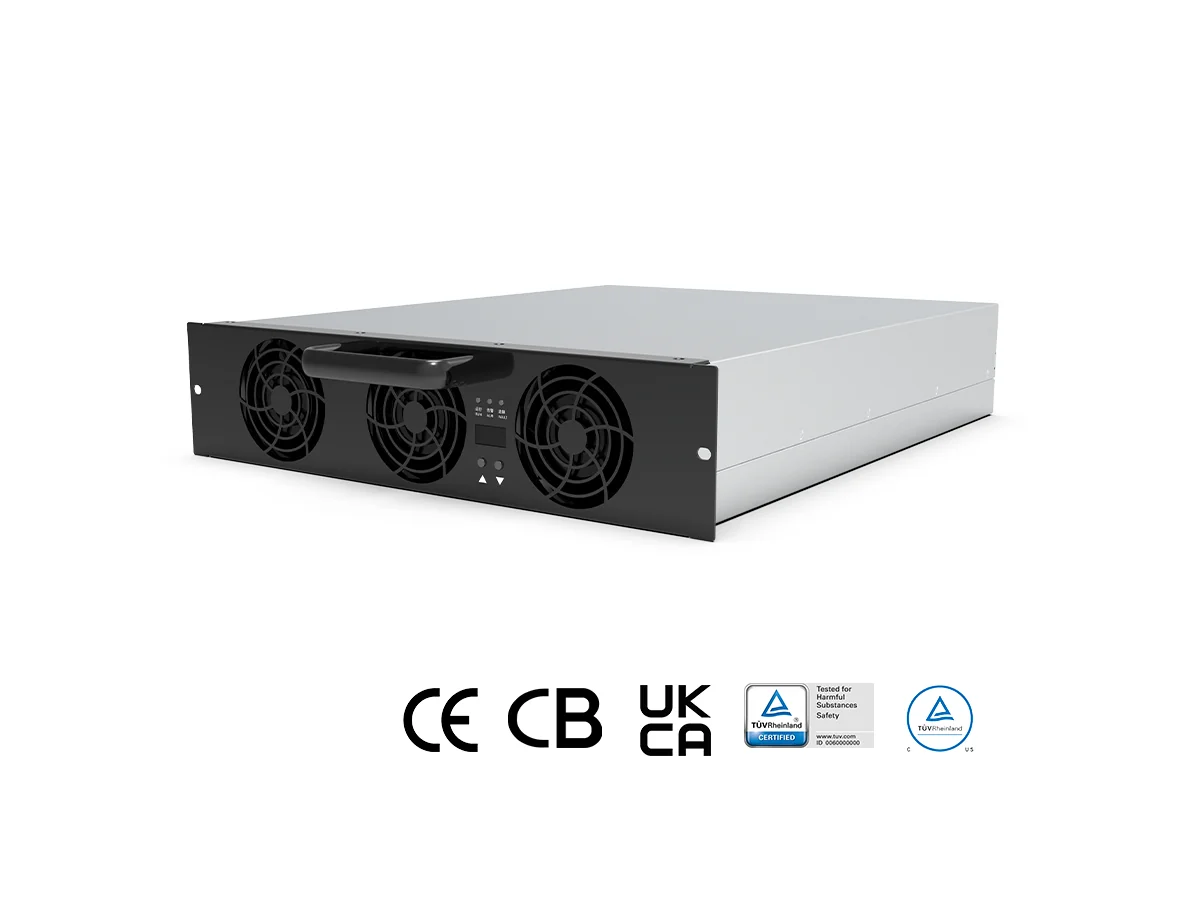
A modern unidirectional charging module targets one job: move DC energy to the vehicle, fast and clean. Look, it’s simpler than you think. Many legacy stacks were built for every scenario, including bidirectional energy flow, even when sites never use V2G today. That adds cost, firmware paths, and EMI risk that don’t help drivers. By stripping the extra direction, you cut parts, shrink the DC bus path, and reduce thermal derating. With SiC MOSFET stages, high-frequency isolation, and tight control loops, the module holds its efficiency curve under real load. And yes, it plays nicer with upstream power converters and downstream contactors—less noise across the CAN bus, fewer surprises.
Traditional cabinets also hide pain points. Large cooling loops raise service time; mixed firmware across modules causes odd resets; and harmonic distortion can push sites near utility limits. Old bricks get hot fast, so operators throttle power on sunny days (no joke) to keep things alive. That kills throughput. In contrast, a focused unidirectional design improves power density, eases airflow, and lowers fault complexity. You gain simpler diagnostics and faster swap time. If a site needs bidirectional later, scale with purpose. Until then, reduce the stack, protect the margins, and keep the charger ready when the car arrives—yes, really.
Comparative Outlook: Principles That Shape the Next Wave
What’s Next
Let’s move forward and compare by principles, not hype. First, modularity: a cabinet built around repeatable blocks is easier to scale and repair. A DC fast charging power module that holds stable isolation and keeps low switching losses under partial load wins daily uptime. Second, control intelligence: edge computing nodes watching temperature, contactor cycles, and ripple can predict a fault before it trips. Third, thermal realism: if a module keeps its efficiency above 96% at high current, fans stay calmer and the cabinet stays quiet. Operators feel the difference in fewer truck rolls, and drivers feel it in faster starts—no ceremony, just plug and go.
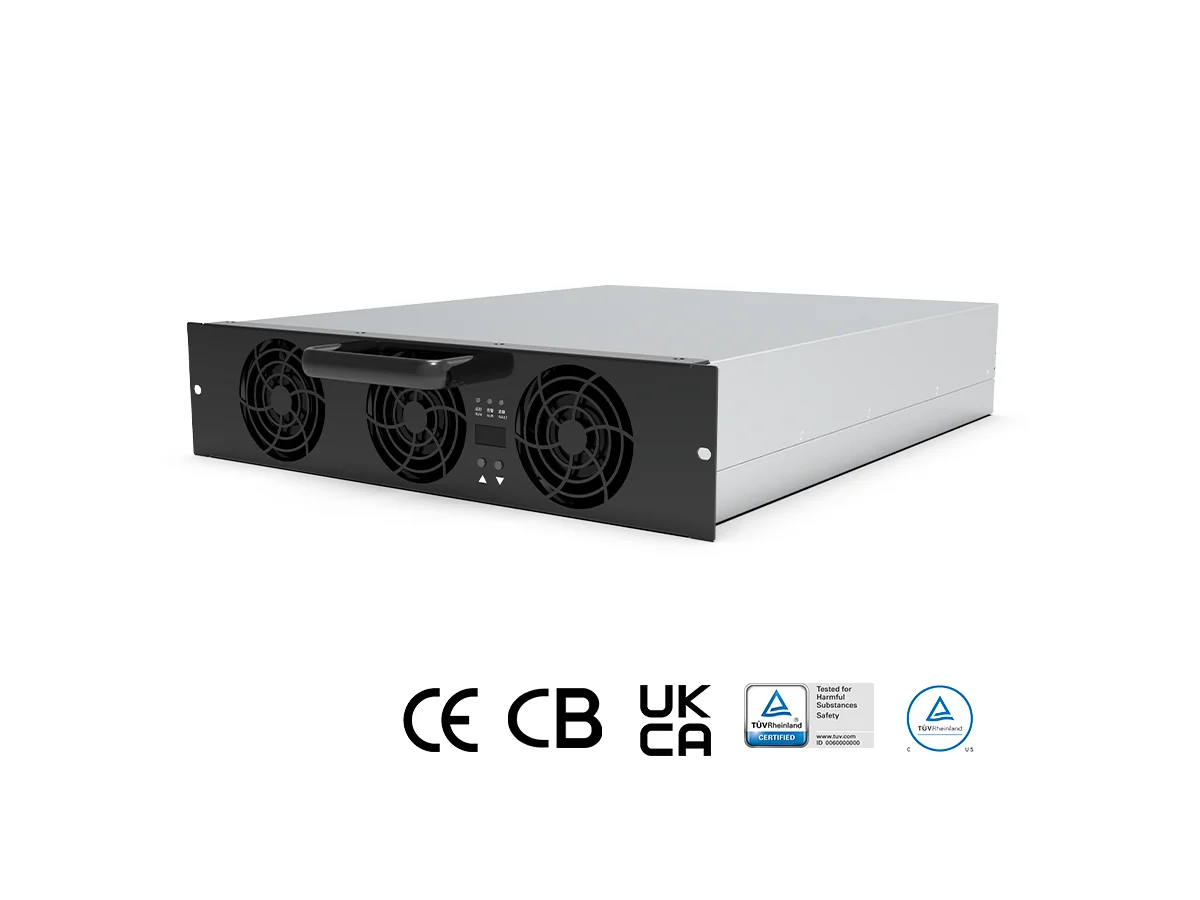
From a comparative lens, legacy stacks chase features; lean modules chase outcomes. The best designs fuse SiC power stages with clean EMI filters and simple service paths. That balance boosts reliability and lowers the total cost per kWh delivered. So, how do you choose? Use three checks that keep things honest: 1) Efficiency under typical load, not just peak (look at the curve). 2) Mean time to repair in minutes, with real swap data. 3) Grid friendliness—harmonics, inrush, and how the unit behaves during faults. Meet these, and your site will feel calmer, even at rush hour—because fewer unknowns means more cars charged.
In short, go lean where the job is one-way today, and add complexity only when the use case arrives. That’s how you build stations that stay up, serve more drivers, and scale without noise. For readers tracking this space, keep an eye on vendors that design with service in mind and publish real field metrics, like winline charger.