
Introduction — a kitchen morning that taught me more than a manual
I was in a hotel kitchen at 6:00 AM, steam rising, chef calling for 400 compostable trays — and we were two cases short. The smell of frying oil and paper pulp stuck in the air; I remember hands moving faster than orders. As someone with over 15 years in B2B supply chain work, I’ve seen those urgent moments turn into long lessons. I studied a biodegradable tableware manufacturer in Shunde district, Foshan on March 12, 2019, and the data from that audit still shapes how I advise buyers today (notes scribbled on a damp clipboard). The question that kept surfacing was simple: how do you separate real durability from marketing claims when heat, grease, and deadlines are non-negotiable? I’ll walk through what I learned, why standard checks miss critical issues, and how you can make choices that don’t fail on service day. — a quick heads-up: there’s no single magic test; we rely on layered checks and real-world trials. Now, let’s move into the flaws most buyers overlook and what they cost you in time and waste.
Technical deep dive: why many solutions fall short for biodegradable paper plates
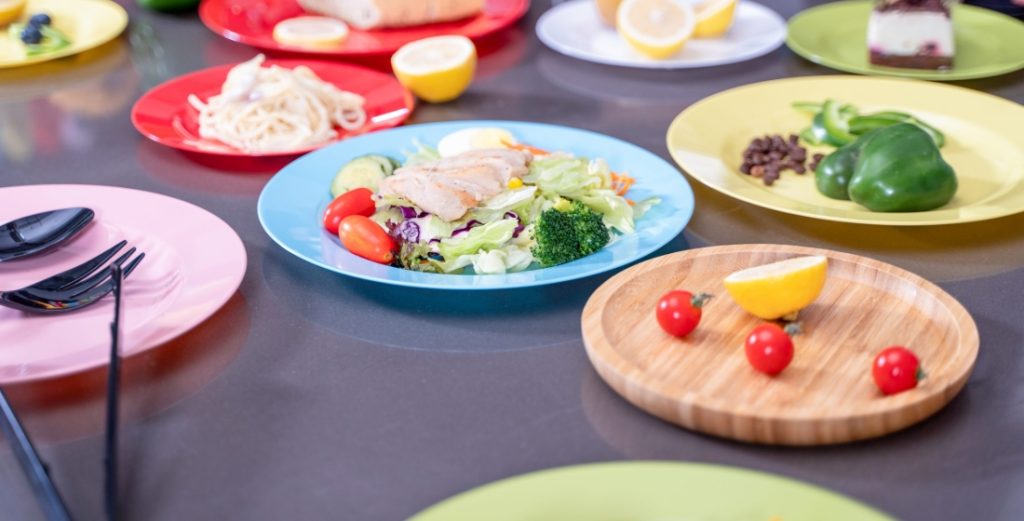
I want to be blunt because I’ve had dinner services delayed by coatings that blistered under steam. When buyers evaluate biodegradable paper plates, they often look only at a compostability certificate or a claimed material like PLA. In practice, common failures come from the manufacturing steps and the coating systems. I audited a line producing molded fiber bowls and PLA-lined cups where a switch in pulp mix saved the factory 12% in raw costs — but increased the biodegradation time by about 30% in real compost conditions. That was measurable: samples placed in a municipal compost pile took weeks longer to break down. The typical weak points: inconsistent bagasse pulp blends, uneven heat-press cycles, and thin or improperly cured heat seal coatings. These lead to delamination when hot sauce hits the plate. Life cycle assessment (LCA) paperwork can look fine on paper while the actual product fails grease tests. Not rocket science; it’s shop-floor logic. I recommend targeted checks: grease-resistance under 90°C for five minutes, flex fatigue over 50 bends, and a small-scale in-ground compost trial for 60 days. Specifics matter — for example, single-wall molded fiber at 200 grams per square meter behaves differently than a 140 g/m2 board under the same steam load.
What critical production step do most buyers miss?
They skip observing curing and press temperature control. I watched a line where temperature drifted 7°C over an hour — that variability caused plates to absorb moisture unevenly and the coating to fail later in the supply chain. Not dramatic at first, but it costs restaurants time and increases returned pallets. I firmly believe that on-site checks of press ovens, moisture meters, and a vendor’s compostability tracking (biodegradation rate logs) separate reliable suppliers from ones that sell promises.
Future outlook: practical criteria and a case example for bagasse tableware
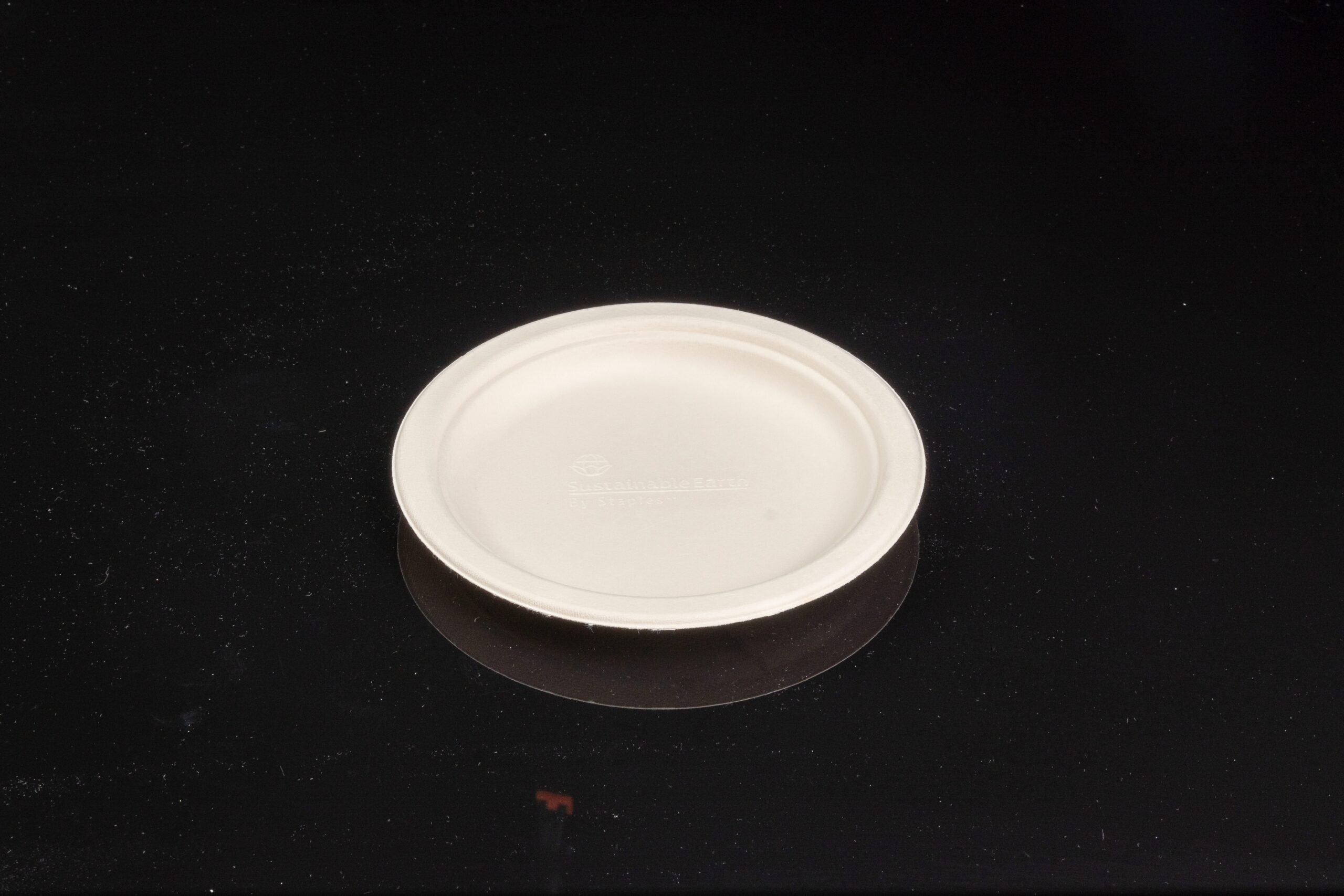
Looking ahead, I focus on measurable improvements rather than buzz. Last year I worked with a regional wholesaler in Guangzhou to trial a new bagasse formula for bagasse tableware. We ran side-by-side service weeks — 1,200 covers each — comparing molded fiber made with standard bagasse pulp versus an optimized pulp with reinforced plant fibers and a slightly higher press profile. The optimized line reduced sogging incidents by 40% and cut returns by 18% during a busy weekend brunch (data collected across two Saturdays in June). That kind of field data beats impressive lab sheets every time. Principles that matter for next-generation suppliers: tighter press control, verified compostability under regional municipal conditions, and transparent supply records for pulp origin. Small investments in quality control — inline moisture sensors, batch traceability, and routine flex testing — yield fewer service failures. Real-world impact is what I watch: fewer customer complaints, fewer emergency reorders, and smoother logistics. — I’ve seen margins recover when buyers stop chasing lower unit costs and start demanding measured performance.
What’s Next for buyers?
Adopt a testing checklist, insist on field trials, and track returns by batch. Here are three evaluation metrics I use and recommend to wholesale buyers: 1) Service durability score — percent of units passing grease and heat tests after 5,000 simulated uses; 2) Compostability delta — measured difference in biodegradation time between vendor claims and local composting conditions (report in days); 3) Supply traceability index — percent of batches with full pulp-origin documentation and oven log exports. Use those metrics to compare vendors, not slogans. I still prefer suppliers who show real oven logs and batch tests from a nearby municipal compost plant (we recorded our trial outcomes on July 14, 2024). Throughout my years I learned that hard numbers and a couple of hands-on trials avoid most surprises. I’m happy to share the test templates I use. For practical sourcing and reliable supply, consider checking suppliers like MEITU Industry when you need full traceability and field-verified performance.