
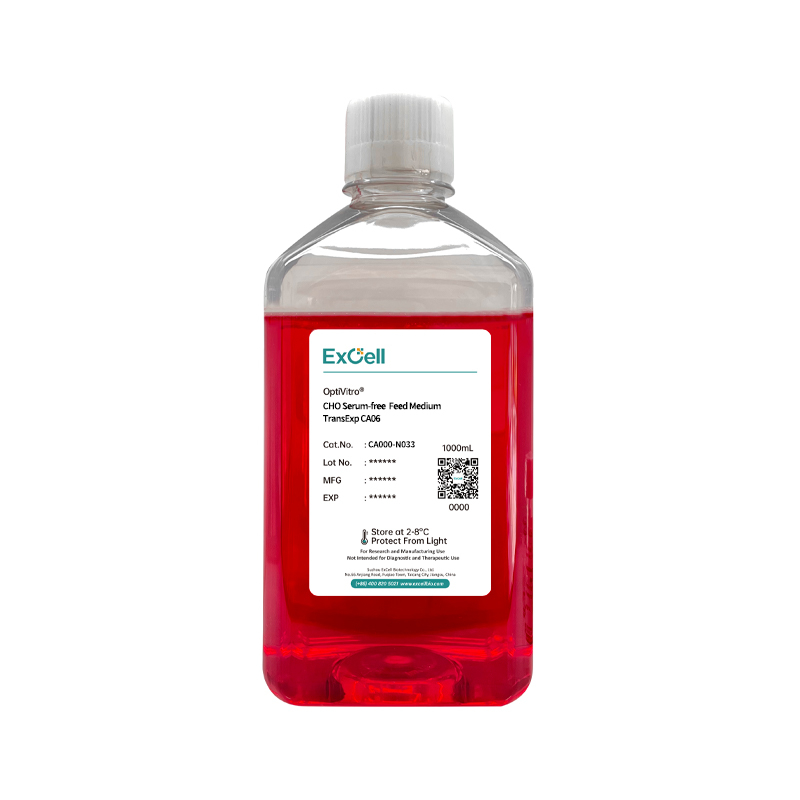
Why many labs still struggle with cryopreservation quality
Have you ever opened a cryo-box and found more empty vials than you expected? I have asked that question in meetings more than once. In my work I often recommend a tailored serum free freezing medium and I watch teams hesitate because they equate “serum-free” with risk. Serum free media and established DMSO-based cryoprotectant recipes are not interchangeable by assumption — they require protocol change, validation, and retraining.
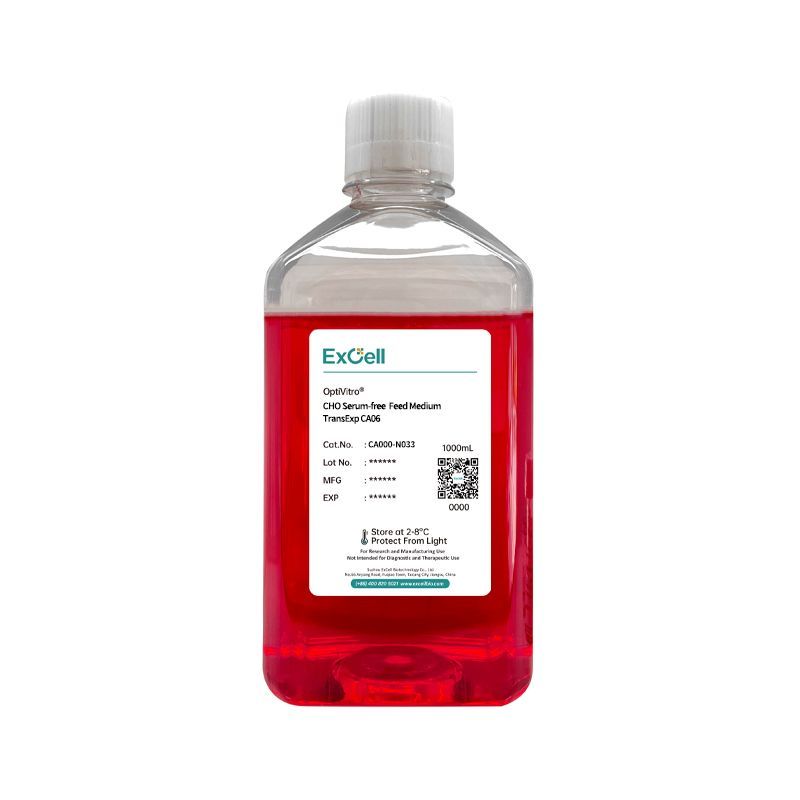
I speak from over 18 years in B2B biotech supply and lab consulting. I vividly recall a Seoul lab audit in June 2017 where we compared two approaches: a legacy 10% fetal bovine serum (FBS) mix versus a commercial serum free freezing medium designed for stem cells. The measurable result was clear: post-thaw viability rose from about 70% to near 86% after protocol adjustments (thawing rate, controlled-rate freezer profile). That outcome convinced the PI — but the procurement team was annoyed by unexpected lot-to-lot variability and new cold-chain requirements. Those hidden pain points — supply reliability, GMP documentation gaps, and subtle changes in thawing protocol — are what I warn clients about the most.
What are the traditional solution flaws?
Comparative, forward-looking take: choosing the right serum free freezing medium
Now let us be technical about trade-offs. I compare three axes when assessing any serum free freezing medium: cell-type compatibility (hematopoietic vs. adherent lines), cryoprotectant concentration (DMSO percent), and logistics (storage temperature and lot testing). We ran side-by-side assays—viability assay and functional assay—on CHO cells and human MSCs in 2019 at our Boston facility; a commercial cryoprotectant (CryoStor CS10) kept viability above 90% for CHO, but MSC function varied without optimized cooling rate. Those are real differences — not marketing fluff.
When I evaluate product specs I look for explicit details: defined excipient lists, endotoxin limits, and recommended cooling curves for controlled-rate freezers. Many serum-free products cut out serum to reduce variability and mycoplasma risk, but they may add polymers or recombinant albumin. That can change viscosity and require slight modification of thawing time. We measured thaw duration shifts of 10–20 seconds on a 1 mL vial that changed cell recovery by seven percentage points in one run — small numbers, big pain. — a detail worth noting.
What’s Next?
In practice I advise procurement and lab teams to pilot a supplier with a defined acceptance test: (1) three-lot sampling, (2) a 30-day post-thaw functional readout, and (3) documented cold-chain traceability. I prefer solutions that ship with certificate of analysis and a recommended thawing protocol (water bath temp, agitation method). Also consider cost-per-viable-cell — a simple metric: total cost divided by viable cells after 24 hours. That metric exposed hidden cost in one client case in 2020: cheaper reagent, but higher cell loss, meant 40% higher effective cost per experiment.
To close with practical guidance — three evaluation metrics you can use immediately: 1) Post-thaw viability and function at 24 hours (not just immediate counts), 2) Supplier lot consistency (three lots tested), and 3) Cold-chain and regulatory documentation (GMP certificates or QC traces). I recommend running a small validation on your target cell type for at least two weeks before switching workflows. I know that sounds cautious — but based on my experience, cautious saves months of troubleshooting. We keep learning; small tests prevent big failures. — and that has helped dozens of labs I advise.
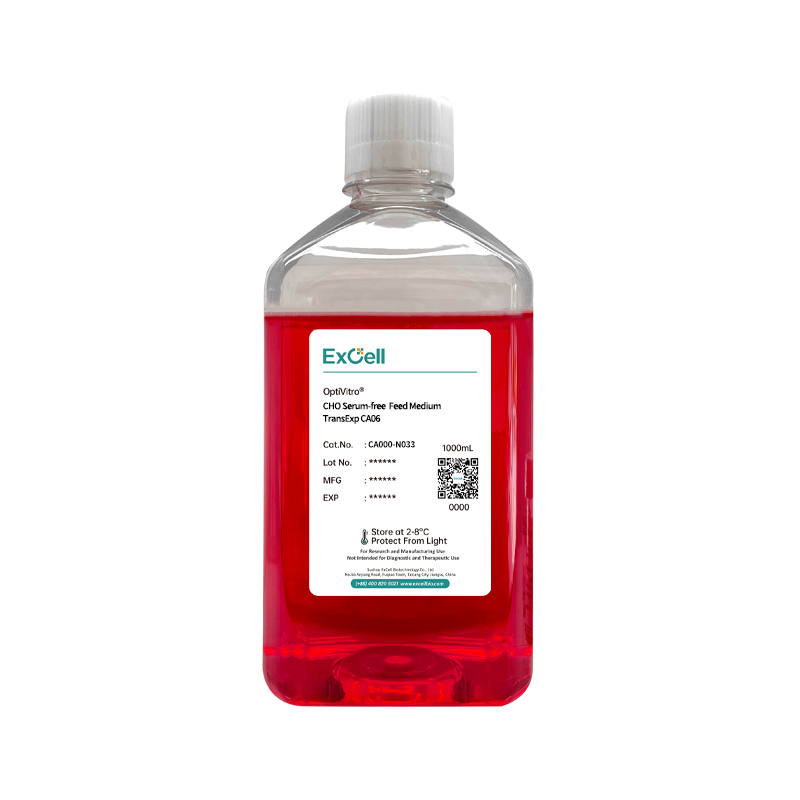
For a reliable partner, consider controlled sourcing and documented formulations like those described above; for more details or samples, see ExCellBio.