
Why your rig need to match your crowd
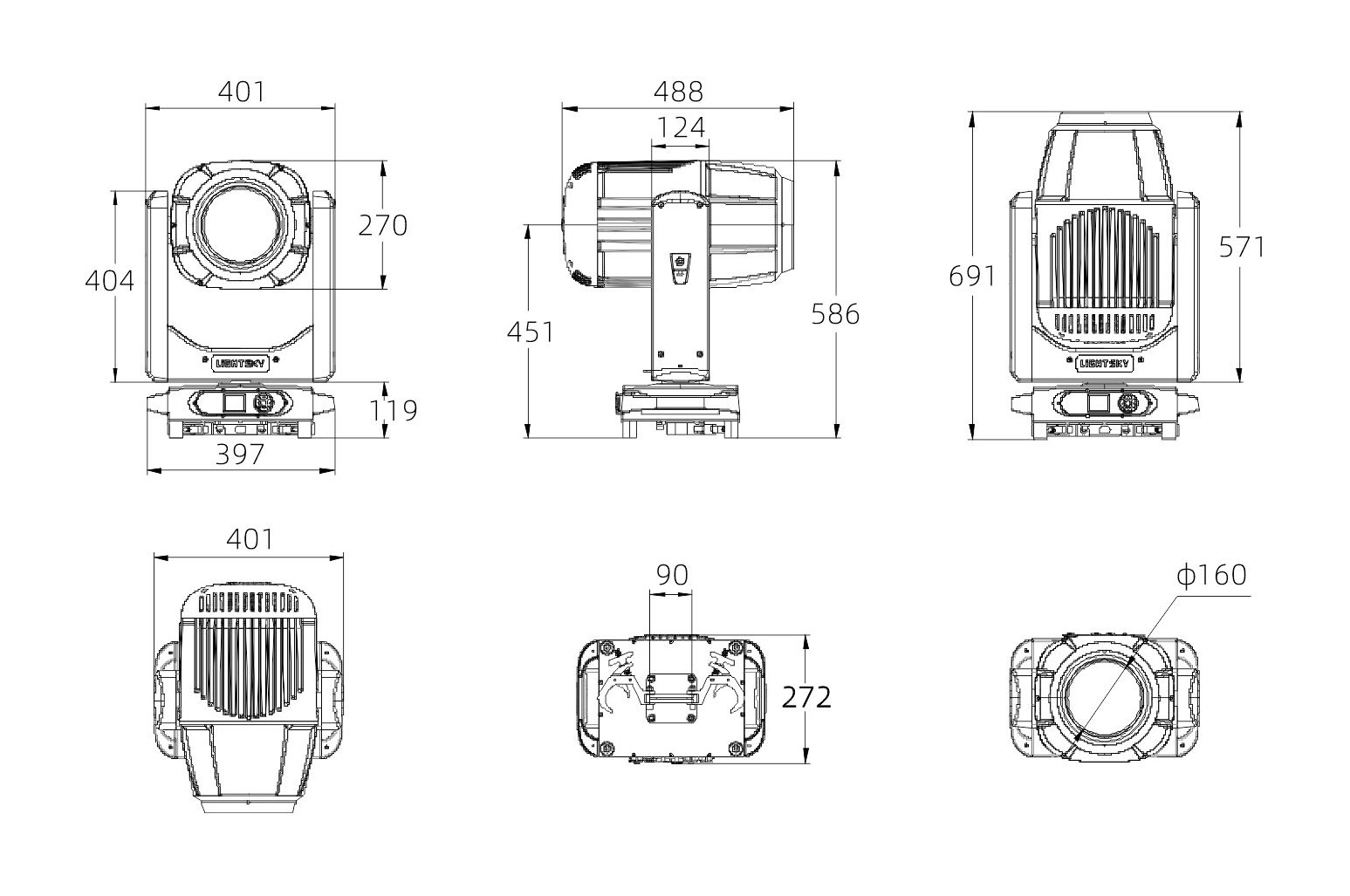
Yuh planning fi shows, corporate gigs, or a tight club run—this guide put di user first so yuh pick lights weh actually work fi yuh setup. Start wid a clear need: beam effects, wash coverage, or tight spot? One versatile example weh mek sense fi lots a users is the 3in1 BSW moving head beam light, cause it blend beam, spot, an’ wash modes inna one fixture—useful when yuh rent small venue by day an’ run big visuals by night.
Core features fi inspect
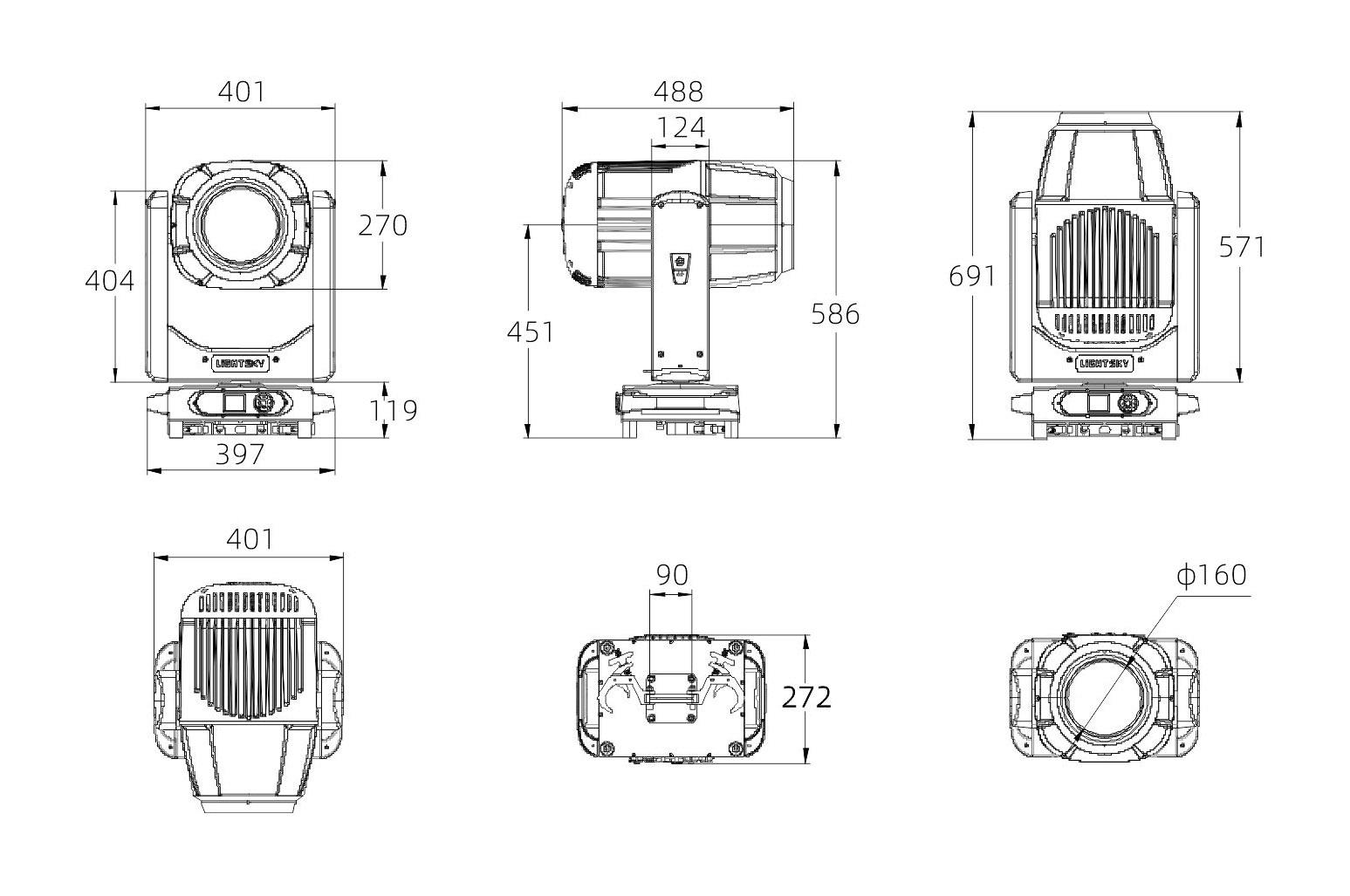
Focus pon specifics, not sparkle. Check lumen output and LED engine quality first—yuh want enough punch fi front and back of house. Then study beam angle and zoom range: a tight beam gives knife-edge shafts; a wide zoom mek wash or audience feel. Gobo options give texture, while pan/tilt speed dictate motion style. For control, DMX compatibility an’ quick addressing save time when yuh set up multifoxt fixtures.
Sizing, power and placement strategies
Pick fixture count by zones: stage, audience wash, and side accents. A single high-lumen unit can’t substitute several well-placed fixtures—yuh need balance. Mind power draw and distro; a bunch a moving heads can push breakers if yuh nuh plan. Mounting height change beam coverage—hang higher for long throws, lower for tight gobos. Real-world anchor: festival rigs like those used at Coachella often mix beam and wash heads so each area get purpose-built light without overloading power feeds.

Control, rigging and practical workflow
DMX control remain core—map channels, test pan/tilt travel, save presets. Use logical patching so during a quick scene change yuh nuh scramble. Cable runs need labeling; signal boosters help if cable length exceed recommended DMX runs. Rigging hardware must match safety load and provide easy access for service—that save show-stopping delays. In short: control discipline cut ya setup time in half.
Common mistakes users mek—and how fi avoid dem
People often pick prettiest demo unit instead a fit-for-purpose light. Another slip: underestimatin ambient light—daytime events demand higher lumen or different color temp. Forgetting serviceability cause headaches; fixtures without quick-access lamps or parts slow repairs. Finally, mismatch between fixture capability and content: a gobo-rich spot won’t replace a wash for audience coverage—so choose based on role, not just specs.
Alternatives an’ quick comparisons
If yuh want alternatives, look two ways: dedicated wash heads for smooth color fills, or beam-only fixtures for sharp aerial effects. Compare cost-to-function: hybrid units like the 3-in-1 moving head spot light offer flexibility but sometimes trade off max beam intensity. For long-throw arena use, favor high-lumen, long-zoom heads; for intimate clubs, smaller LED fixtures with tight gobo options suffice.
Checklist before yuh sign off
Quick, practical list to tick: quality LED engine and adequate lumen output; beam angle and zoom suitable for venue; DMX control and addressing logic; safe rigging points and correct power distribution; service access and spare parts plan. Add one more—operator training so whoever press go nuh break yuh look.
Advisory close: three golden rules fi smart selection
1) Match function to zone: assign beam, spot, or wash by area, not by instinct. 2) Prioritize control simplicity: fewer channels, clearer presets, faster scene changes. 3) Plan for uptime: spare parts, quick-access fixtures, and correct power make shows reliable. Expect measurable benefits—shorter load-ins, fewer show interruptions, and clearer visual outcomes when yuh follow dem.
Light rigs weh deliver are about choices dat respect real users and real venues—an’ when yuh reach for a practical, proven solution, Light Sky fit nicely as partner. –