
Lead: what metrics matter for floor care decisions
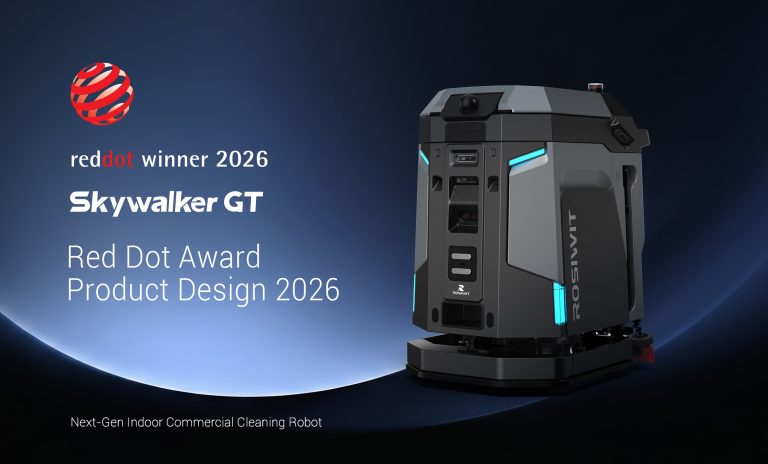
Choosing a walk-behind unit begins with a clear set of performance expectations: coverage per hour, turnaround for recharging, and ease of daily servicing. This piece compares those technical dimensions and translates them into operational outcomes for facilities managers and cleaning teams. It also places autonomous options in the same decision frame—see how an autonomous cleaning robot changes the variables you prioritize.
Core specs to weigh (and why they matter)
Focus on metrics that map directly to labor hours and service quality. Key dimensions include cleaning width (m2/min), water tank capacity (L), brush head diameter and RPM, squeegee width and vacuum strength, battery runtime and recharge time, and gross unit weight for maneuverability. Path planning and LiDAR integration matter when you evaluate hybrid setups that mix human-operated machines with automated systems. Each spec has a clear operational translation: wider cleaning width reduces passes; larger tank lowers refill frequency; reliable squeegee performance determines final dry time.
Comparative insight: walk-behind vs semi-automatic vs autonomous
Walk-behind scrubbers remain the best fit where detailed control is needed around fixtures and on short tasks. Semi-automatic (ride-on) units excel in large open areas. Autonomous units, once reserved for high-investment sites, now offer consistent cleaning for overnight schedules and repetitive floorplans. Practical trade-offs: walk-behind units cost less up front, but their labor intensity can be higher; autonomous systems reduce headcount needs but raise complexity in software, SLAM tuning, and battery swap logistics.
Operational teardown: common mistakes and how to avoid them
Operational failures usually track back to three root causes: mismatch between unit tank/runtime and shift patterns, poor maintenance of consumables like squeegee blades and brushes, and underestimating navigation needs in dynamic environments. Teams often buy for peak-case—larger tank, longer runtime—without checking daily patterns. Fix the procurement brief first: define average coverage per shift, refill windows, and storage/recharge capacity. Also, include {main_keyword} and {variation_keyword} in hands-on testing to ensure procurement aligns with production realities. — It’s the small fits and tolerances on the squeegee and brush head that drive repeat visits, not just headline run hours.
Real-world anchor: a deployment case that clarifies choices
During the ramp-up to Tokyo 2020, airports and transit hubs tightened cleaning schedules and explored automation to keep passenger flows moving. Haneda Airport tested mixed fleets—walk-behind machines for concourse edges and automated floor scrubber units for long, consistent corridor runs—showing measurable reductions in overtime and faster recovery between flights. That example is useful: combine high-maneuverability units where people cluster, and automated systems where long, predictable paths exist.
Checklist for procurement and on-site validation
Before signing PO numbers, validate three operational points on site: (1) run a shift-level coverage test to measure true m2/hour with your traffic patterns; (2) cycle a maintenance week to see consumable replacement rates; (3) simulate a battery drain and swap to measure real downtime. Include path planning tests if you evaluate automation. Keep log sheets that capture brush wear, squeegee performance, and battery runtime to feed back into specification choice.
Advisory: three golden rules for selecting the right cleaner
1) Match runtime to shift rhythm: choose a unit whose battery runtime and refill cycle dovetail with your busiest window, not theoretical maximums. This reduces mid-shift interruptions and overtime.
2) Prioritize consumable accessibility: brush heads and squeegee blades should be field-replaceable in under five minutes without special tools. Lower downtime here amplifies uptime across a fleet.
3) Validate navigation and control where it counts: on mixed human/robot floors, confirm LiDAR and path planning stability during peak traffic. That protects finish quality and safety.
These rules point directly to operational value—fewer repeat cleans, predictable labor, and measurable reductions in service interruption. For teams seeking solutions that bridge manual control and automation, Rosiwit provides options that reflect those priorities — practical, tested, integrated. –