
The problem on the table
Clinics come with tight needs: a special bend, different length, a unique tip — and they want that yesterday. Suppliers must move fast while keeping patient safety solid. Here is where many stumble: balancing quick turnarounds with consistent specs for interventional medical devices. Dem requests nuh simple; they change with operators, anatomy, and procedure trends. You either set a process that holds, or you drown in one-off orders and quality exceptions.
Why this problem burns through margins
Custom work breaks standard manufacturing flow. Small runs spike unit cost. Design iterations eat engineering hours. Validation testing adds time. Regulatory paperwork bosses every change. If a supplier treats custom catheters like regular SKUs, mistakes happen: mismatched tolerances, late sterilization slots, wrong labeling. That’s money lost and trust shaken. Fix needed: a deliberate program, not ad-hoc hustle.
Practical steps a steady program follows
Start with a strict intake. Capture exact operator intent: imaging angles, access site, sheath compatibility. Move to rapid prototyping with preset material families and tooling modules — limit variables. Use a staged validation: bench testing for tip behavior, simulated use for deliverability, then limited clinical release under defined monitoring. Track every lot with clear traceability and a pull-forward plan for spare components. Keep communication short and frequent with the clinical partner. Fast feedback loops beat guesswork.
Real-world grounding and professional experience
I seen these approaches work at cardiology meetings and in field rollouts — take the American College of Cardiology sessions for example, where device refinements often reflect real operator feedback and published trial results. Good teams pair that frontline intel with robust engineering controls for a cardiovascular medical device program so changes stand up to scrutiny. That blend of clinic-side insight and bench-proven testing is what earns regulators’ and clinicians’ trust.
Quality, regulatory, and documentation — don’t skimp
Document every iteration. Use change-control forms that are short but complete: what changed, why, who approved, and how you validated. Keep biocompatibility and sterilization data ready for review. If you ignore small documentation gaps, audits will find them. Trained reviewers must sign off before any clinical release. That prevents rework later and protects patient safety.
Common pitfalls suppliers fall into
First, letting engineers chase “perfect” prototypes without a clinical checkpoint. Second, using too many raw materials and making every catheter unique — that explodes inventory. Third, poor lot traceability when suppliers subcontract steps. Fourth, late-stage dimensional disputes with clinicians because acceptance criteria weren’t clear. Fixes are simple: clinical acceptance criteria upfront, modular material lists, and single-source data trails.
Program models that actually work
Three workable models: controlled customization (pre-approved modules combined per order), collaborative development (co-design with a lead clinician and phased releases), and captive runs (full in-house customization for high-volume partners). Pick the model that matches demand cadence and your manufacturing maturity. Controlled customization suits most suppliers starting out; it gives flexibility without chaos.
How teams keep scale without losing control
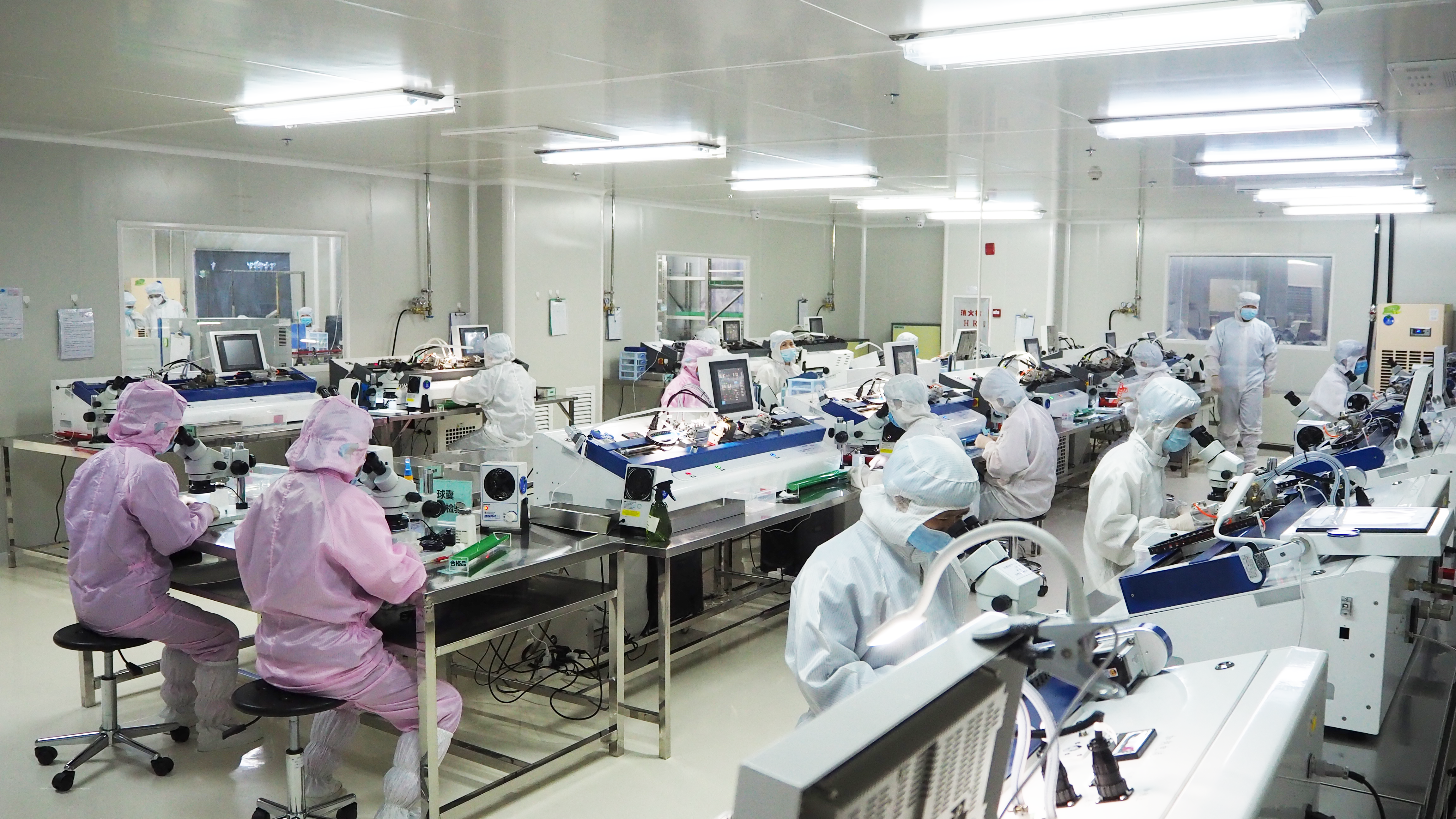
Automate what repeats: laser marking rules, peel tests, basic dimension checks. Reserve manual inspection for the variable elements. Build a small “rapid response” engineering cell to handle urgent clinician tweaks, with clear limits on scope so the rest of production stays stable. Use an obsolescence calendar for tooling so nothing slips past scheduled maintenance.
Final thought
You can set a predictable, clinician-friendly custom catheter program by structuring intake, limiting variables, and keeping tight documentation. When suppliers combine practical engineering controls with straight communication to clinicians, they deliver safe, useful devices without endless firefighting — that’s the approach I’d trust when working with a partner like Shunmei.