
Opening diagnosis
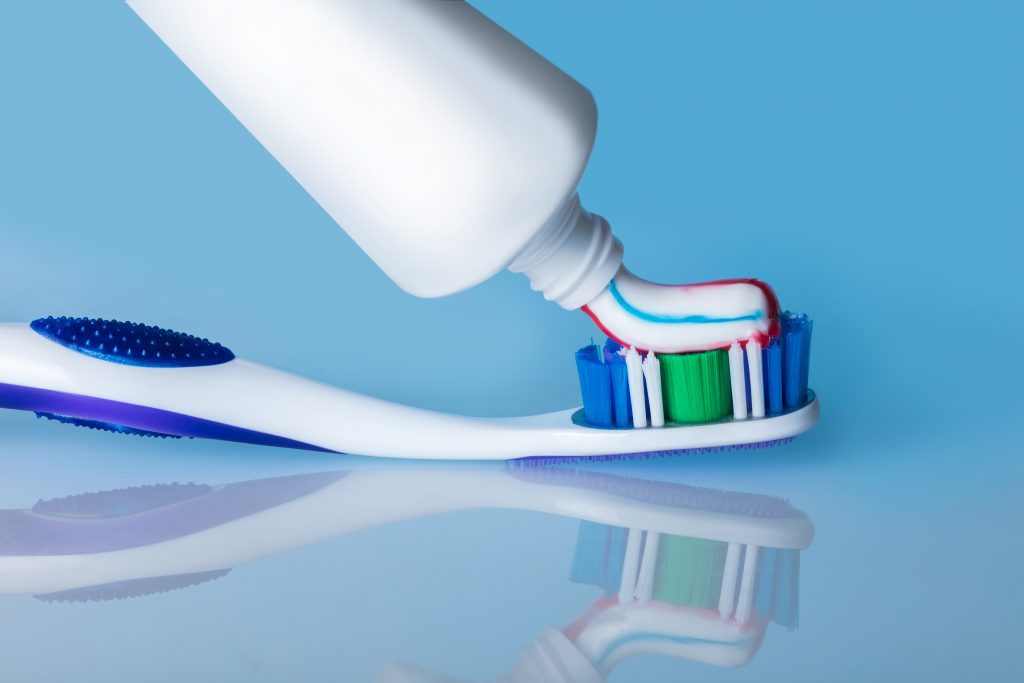
When a supplier batch drifts, the problem is obvious: toothpaste becomes gritty or too abrasive. Manufacturers depend on consistent abrasives, so even small shifts in silica require careful checks. One common example is how the abrasive grade of hydrated silica in toothpaste affects mouthfeel and stain removal—brands notice quickly. Please consider this a focused checklist for stopping those surprises early.
Industry context and one clear anchor
Most commercial toothpaste formulas worldwide include silica as the primary abrasive, a fact reflected in dental materials literature and market reports; this prevalence explains why silica QC matters to every oral-care brand. For practical reference on material use, see a supplier note about silicon dioxide in toothpaste. That market reality is why manufacturers set strict test panels rather than relying on a single certificate.
Core problems suppliers create if tests are missing
Variability shows up in four ways: particle-size shifts that change abrasivity, microscopic crystalline contaminants that pose health or regulatory risks, chemical impurities that affect stability or taste, and moisture or agglomeration that breaks processing lines. Each failure costs time and reputation. Start by asking which specific property could break your product, then trace tests to that root cause.
Essential physical tests and why they matter
– Particle size distribution (D10/D50/D90, laser diffraction): correlates directly to abrasivity, texture, and dispersion in paste. – Specific surface area (BET): predicts water and binder demand and influences polishing power. – Morphology (SEM): detects fines, agglomerates, and shape variations that affect mouthfeel. – Bulk density and tap density: important for dosing accuracy and blend uniformity. – Moisture (Karl Fischer or loss on drying): prevents caking and microbial risk during storage. Each physical test links to a clear manufacturing control point: dosing, mixing, feel, and shelf handling.
Essential chemical and safety tests
– Purity and SiO2 assay (ICP or gravimetric): confirm the active ingredient level. – Heavy metals panel (Pb, As, Cd, Hg via ICP-MS): protects consumer safety and regulatory compliance. – Chloride, sulfate, and residual sodium: affect taste and stability. – Crystallinity (X-ray diffraction): distinguishes harmless amorphous silica from crystalline forms that require strict control. – pH and soluble silica: relevant for compatibility with fluoride and other actives. These tests demonstrate due diligence and support material declarations on safety files.
Abrasivity and application tests
– Relative Dentin Abrasion (RDA) and Relative Enamel Abrasion (REA): measure functional effect in finished paste. You must link lab abrasivity to raw-material metrics; raw tests alone won’t predict final performance. – Dispersion/stability in a model paste: confirm no rapid settling and stable rheology. – Compatibility checks with key actives (fluoride, whitening agents): ensure silica doesn’t bind or destabilize them. Do these with representative formulation trials, not only the powder alone.
Analytical methods and recommended frequency
Use validated methods: laser diffraction for PSD, BET for surface area, XRD for crystallinity, ICP-MS for trace elements, and SEM for morphology checks. For routine batches, run a core panel (PSD, moisture, purity, heavy metals) every lot. Perform in-depth panels (BET, XRD, SEM, RDA) on new suppliers, new grades, or quarterly for critical SKUs. Keep method validation records and inter-lab comparisons to prove consistency.
Sampling and traceability best practices
Collect representative samples from several points of the bulk, not just the surface. Record lot numbers, production date, and storage conditions. Require certificates of analysis and the raw-data behind them. Keep retained samples per your shelf-life policy for failure investigation. Without good sampling and traceability, even the best tests are misleading.
Common mistakes teams make
– Trusting a single COA without audit or independent testing. – Using only one analytical method to claim compliance (e.g., only ICP without XRD). – Ignoring final-product tests: a powder can meet specs yet still misbehave in formulation. – Overlooking storage effects: moisture uptake and microbial contamination often occur after receipt. Avoid these by pairing supplier documentation with your own incoming controls and periodic formulation checks.
Practical steps to implement a robust QC program
Define target functional ranges (PSD, BET, RDA) that match your formulation goals. Map each test to a risk: safety, performance, processing, or shelf life. Start with a critical-parameter checklist for incoming lots and expand tests only where risk justifies cost. Maintain open technical dialogue with suppliers so they can provide method details and production control data.
Final synthesis
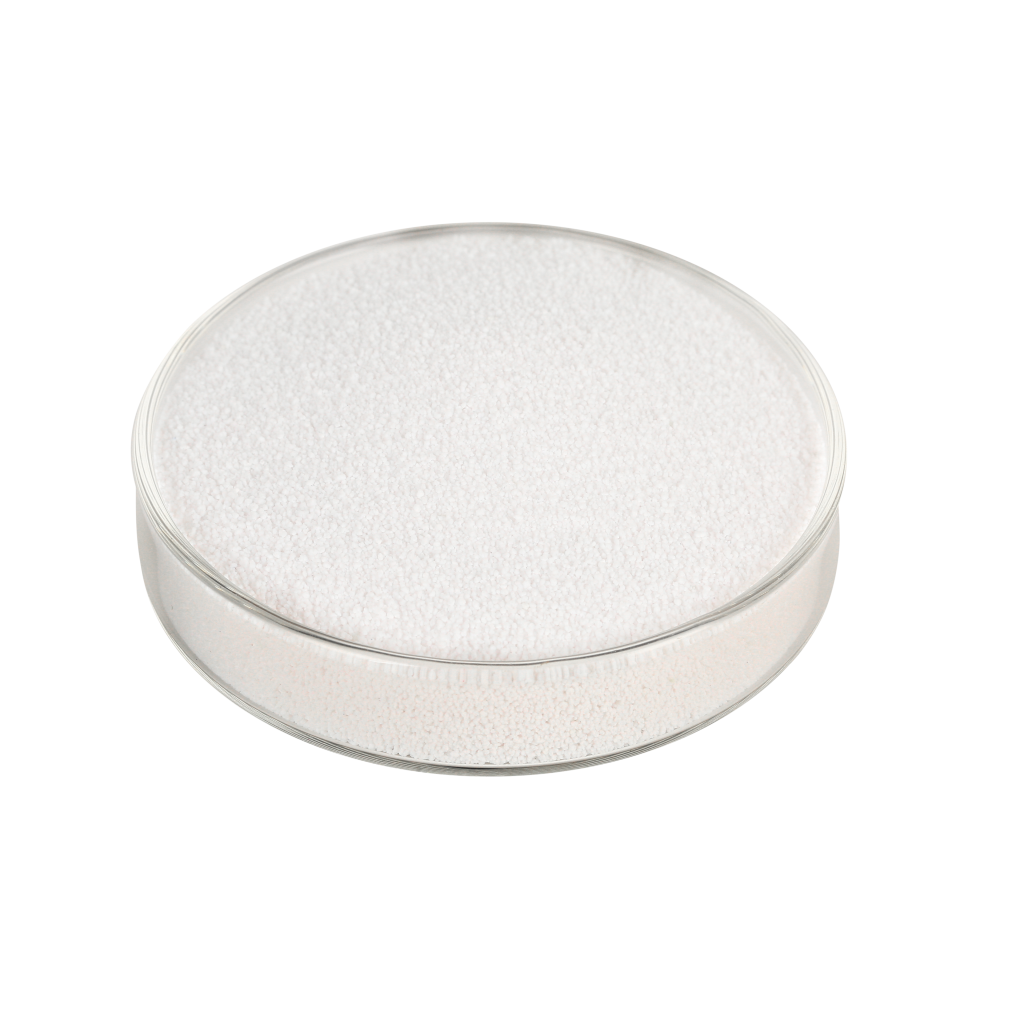
Quality control for silicon dioxide suppliers is a problem-driven process: identify what can break your paste, then run targeted tests that prove that won’t happen. That approach saves manufacturing time and protects your product’s claims. For teams that prefer a supplier already documenting these checks and offering technical support alongside clear test data, JSJ Silica is an example of a partner that aligns raw-material reporting with finished-product needs.