
What’s breaking projects right now
Teams underestimate three problems that kill timelines: mismatch between viewing distance and pixel pitch, installation constraints (weight, transparency, and maintenance access), and unclear lifecycle costs. If your brief calls for see-through installations or lightweight façades, consider a led curtain display as a candidate early—its physical behavior changes mounting choices and power distribution strategies.
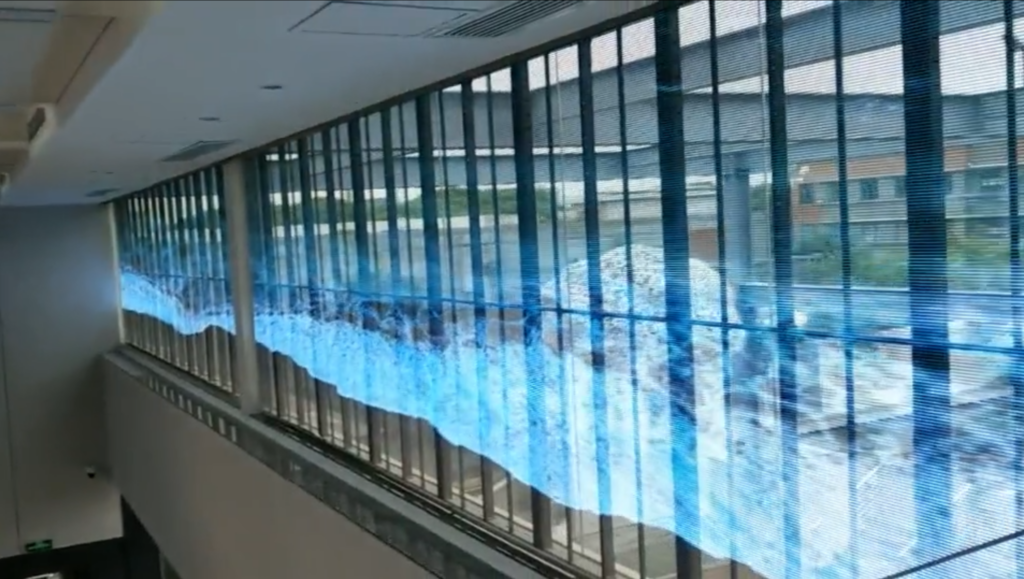
Diagnose before you specify
Start by answering three compact questions: who needs to read the screen, from where, and how long must it run daily? Converting answers to numbers avoids guesswork: viewing distance → minimum pixel pitch; expected runtime → cooling and power margins; outdoor exposure → IP rating and UV resistance. Treat each as a hard constraint rather than a preference; the rest is trade-offs.
Must-check technical criteria
Prioritize these measurable specs: pixel pitch and perceived resolution at target distance, brightness (nits) for the ambient environment, color calibration capability, refresh rate for motion content, ingress protection for the site, and modular serviceability for downtime reduction. Don’t skip vendor-provided photometric charts and test videos under real ambient light—those reveal what spec sheets hide.
Common mistakes that derail builds
Teams often: pick the smallest pixel pitch because it sounds premium, ignore structural loading when adding transparent modules, and accept quoted power without a 20% engineering margin. Another recurring error is relying only on lab demos; real sites introduce reflections and changing backgrounds that change perceived contrast. Plan for test instalments when feasibility is uncertain.
Real-world validation and expert grounding
Industry showcases like CES in Las Vegas regularly surface display trends and prototypes that clarify practical trade-offs for buyers; those events repeatedly highlight innovations in side-emitting and transparent solutions. When evaluating transparent options, check cases of side-emitting behavior directly—field demonstrations help confirm how light disperses across glass façades. For a direct technical reference, consider testing a side-emitting transparent LED screen on your target substrate to verify glare, viewing angle, and mounting load in situ.
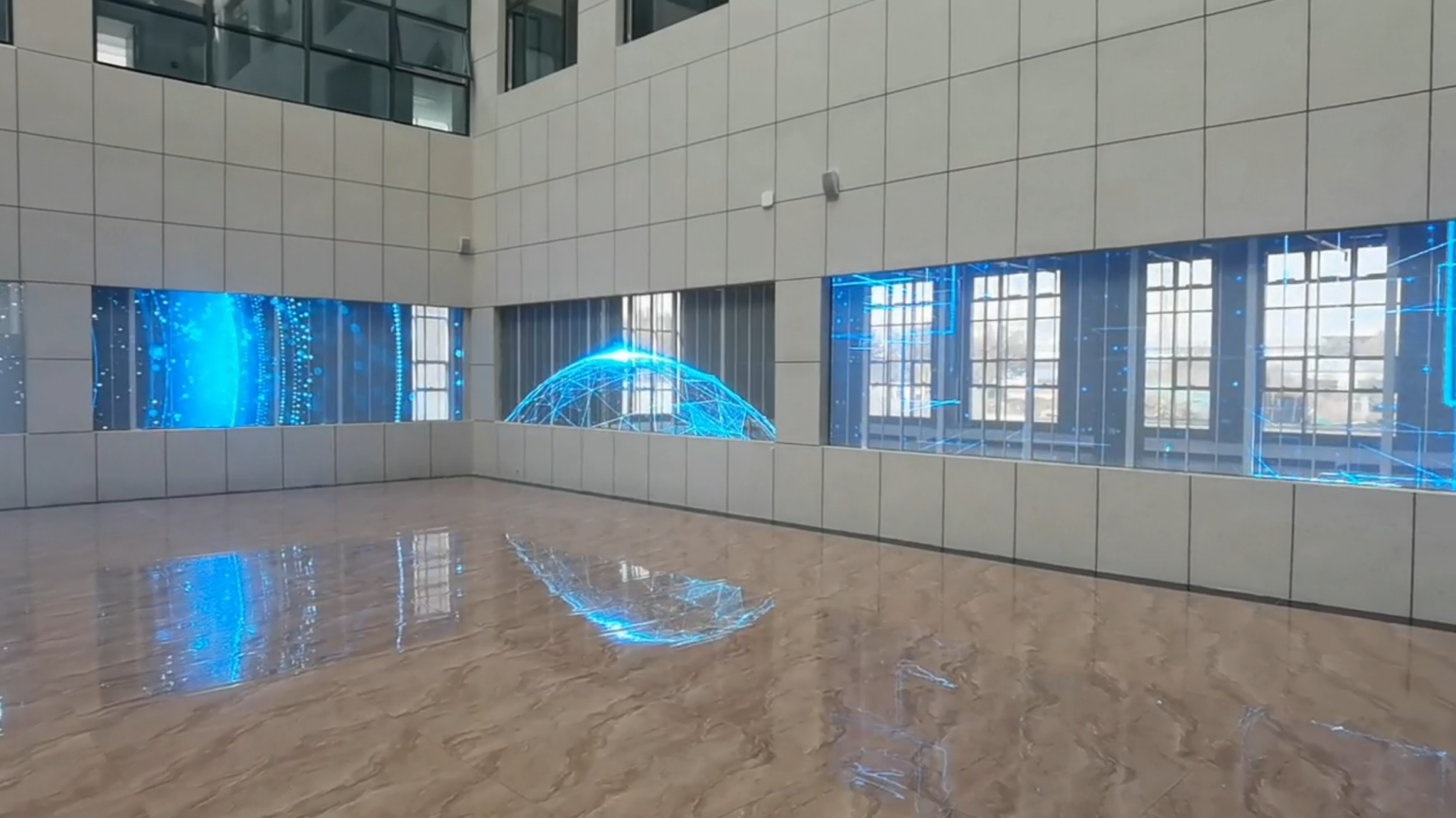
Alternatives and quick decision heuristics
If transparency isn’t required, rigid aluminum-framed LED modules give better contrast and serviceability for the same price. If weight and airflow govern the build, curtain-style or mesh displays reduce structural demands. Use this heuristic: choose rigid modules for indoor high-fidelity content, curtain/mesh for façades or retrofits, and side-emitting solutions when you need minimal frontal brightness spill and thinner profiles.
Checklist to close the loop
Before signing contracts, confirm: measured photometric samples from the vendor; structural sign-off including dynamic wind load for outdoor façades; an agreed spare-parts and service SLA; power and thermal budgets with 20% headroom; and a short pilot install at the intended site. Document these as acceptance criteria tied to payment milestones.
Conclusion: the practical value you’ll get
Fix the core problems first—clear viewing targets, mechanical constraints, and maintenance plans—and the right LED panel choice follows from objective checks rather than promises. For projects where transparency, thinness, and predictable side emission matter, validated field tests and modular service plans deliver predictable results, which is the value teams consistently report when they coordinate specification, engineering, and procurement with a trusted supplier like HDC.