
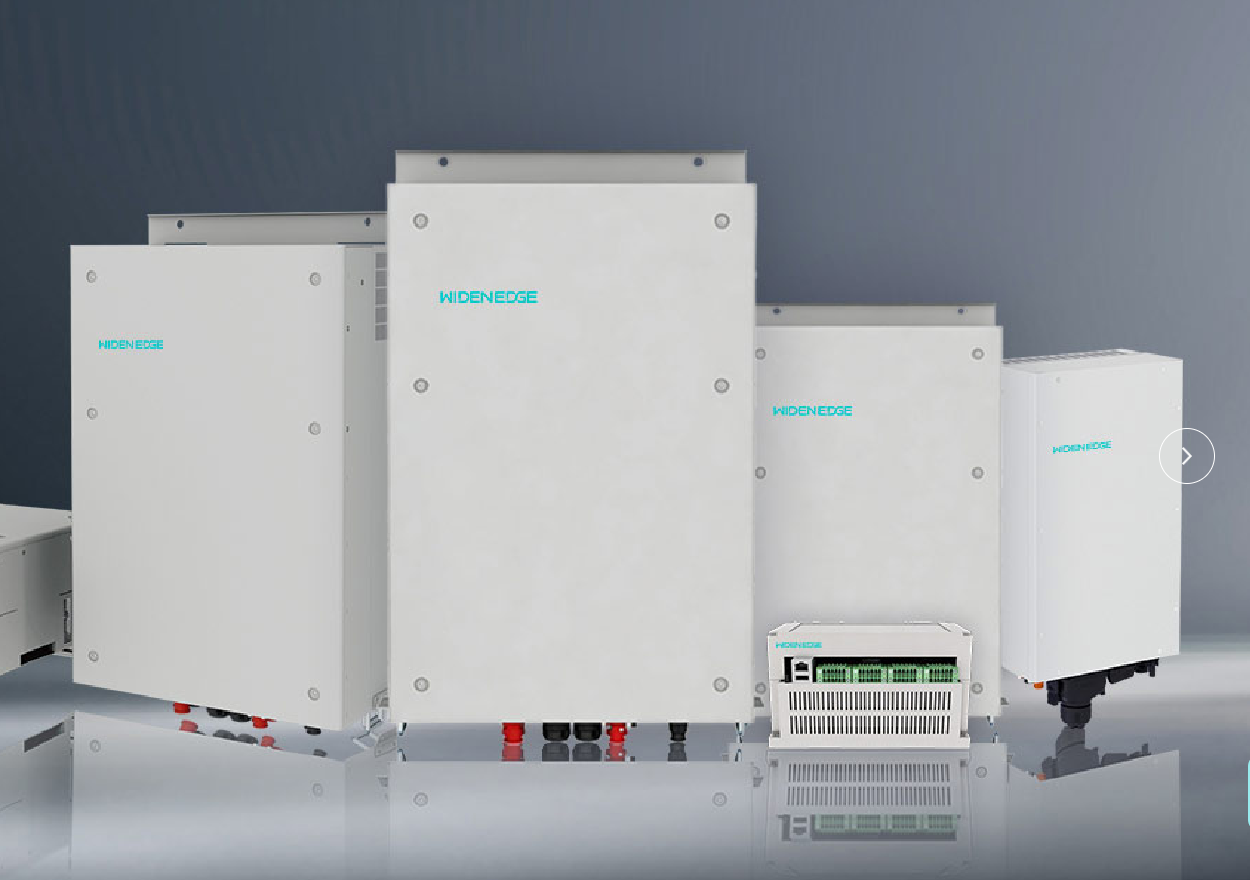
Problem first: why these systems trip up real installs
Listen — designing three-phase PV with battery ain’t a smooth ride. You look at small arrays, then scale to bigger stacks and suddenly the protection, balancing, and thermal game change. I’ve seen setups from 45kW packs to a 600kW energy storage inverter tucked in a microgrid energy storage container, and the failure modes repeat: phase imbalance, inverter anti-islanding misbehavior, cooling bottlenecks, and weak commissioning. After Hurricane Maria rebuilds in Puerto Rico those containerized systems showed both why microgrids matter and where sloppy specs bite you hard.
What breaks first — short, sharp list
– Phase imbalance under uneven PV input: voltage and current skew that trips protections. – Inverter mismatch: single-phase logic slapped into three-phase contexts. – Thermal stress inside containers: batteries cook when airflow isn’t treated like a design parameter. – Control-layer drift: weak grid-forming settings that fail during low inertia periods. These come from real installs, not theory. Fix one, another surfaces. Fix the root, you calm the system.
Practical fixes that actually land
Here’s what crews who keep systems running do differently: – Match inverter control to mission: choose grid-forming or grid-following modes deliberately, not by default. – Design for imbalance: allow per-phase gating and dynamic rebalancing. – Thermal design = not an afterthought: spec cooled enclosures and monitor cell temps at the rack level. – Protection coordination: set relay curves and inverter trip points as a coordinated protection plan, tested under simulated faults. Those moves cut nuisance trips and extend uptime. I recommend run-tests, not just paperwork tests.
Spec’ing the container and its guts — what to call out
When you pick a containerized solution, call out these specs plainly: rack-level BMS visibility, rated airflow (CFM) per kWh, inverter continuous vs peak ratings, and rated fault current handling. Don’t skip mechanical details: door seals, service access, and fire zones matter. Vendors that skip these give you nice marketing copy, not long-term performance.
Common pitfalls teams keep repeating
Teams fall into repeat traps: – Oversizing inverter peak without matching continuous cooling. Result: derated output during summer. – Using mismatched firmware across inverters. Result: erratic dispatch and weird ride-through. – Treating containers as boxes, not systems. Result: maintenance nightmares. Catch those early. You’ll save time and money on retrofits.
Evaluation checklist — quick, actionable
When you’re sizing or auditing, run this checklist: – Can the inverter do continuous three-phase balancing under asymmetric PV input? – Is the BMS reporting cell-level temps, and is that telemetry integrated? – Are protection curves and anti-islanding rules documented and testable? – What’s the rated cooling margin at the hottest local ambient? Answer these before you commit money.
How this changes where you place value
The smart move is valuing integrated performance over headline kW. You’ll pay for reliability up front or later in callbacks and downtime. Systems that survive storms and sustained cycling do two things: they protect hardware and keep the electrical behavior stable. That stability turns modular containers into dependable grid assets instead of expensive shelf decorations.
Close — straight talk on outcomes
Problem-focused thinking wins: diagnose the phase and thermal pain, treat it with coordinated controls and container-level engineering, and validate with real-world stress tests. Practitioners who build that way see fewer surprises in commissioning and lower lifecycle headaches — and that’s the practical advantage WidenEdge demonstrates with container-first systems that treat the inverter, batteries, and enclosure as one engineered solution.