
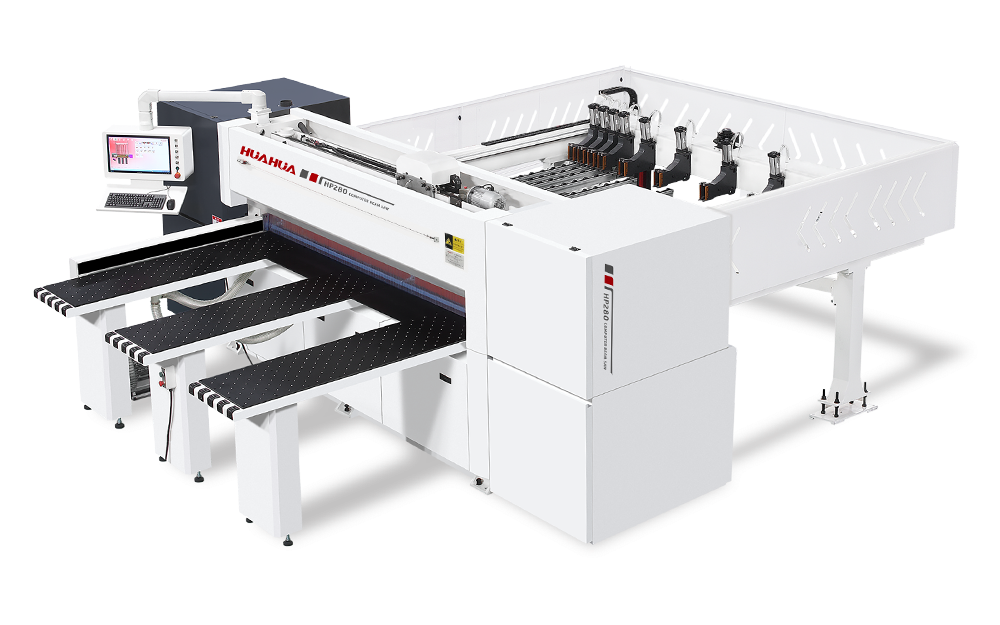
Why cabinets sometimes refuse to behave
You’ve likely noticed that two cabinet doors cut from the same drawing can behave like different species: one closes whisper-quiet, the other drags and gaps. That problem is rarely mysterious — it’s a chain of small failures: inconsistent toolpath strategies, vibration, poor fixturing, and settings that ignore material variability. A well-tailored cnc woodworking machine doesn’t erase human error, but it makes those failures predictable and solvable.
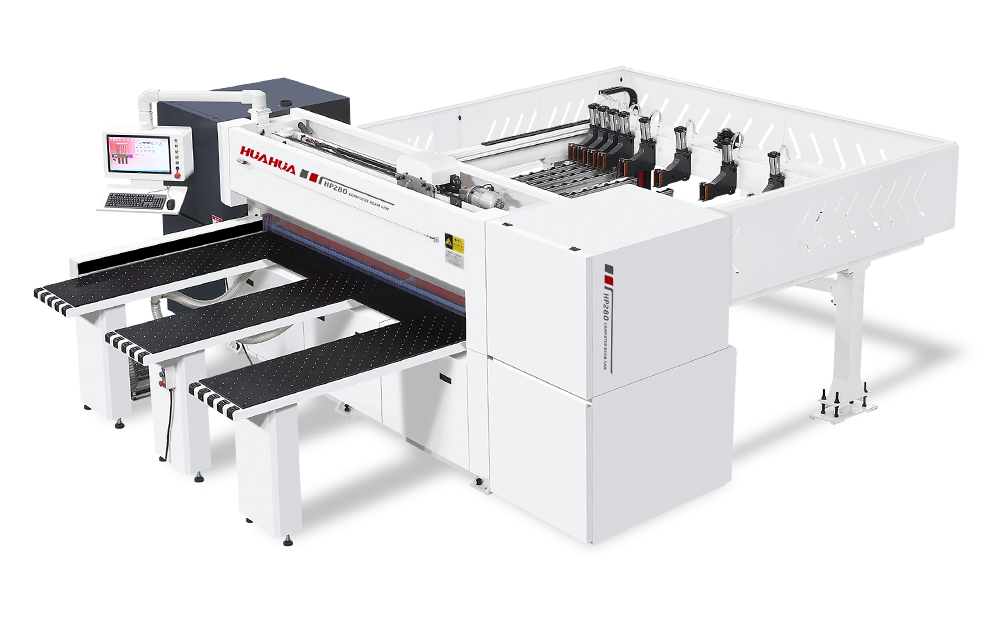
Pinpointing the weak links
Start by asking where the variation begins. Is it the machine’s frame or the spindle? Is the tool deflecting at cut depth? Is the nest clamped unevenly? These are practical problems, not philosophy. From my experience advising cabinet shops for over ten years, most quality defects trace back to a handful of technical faults: insufficient rigidity, wrong feeds and speeds, suboptimal toolpaths, and dusty workspaces that let chips abrade bearings. Fix those, and quality jumps fast.
What a cabinet-focused CNC must solve
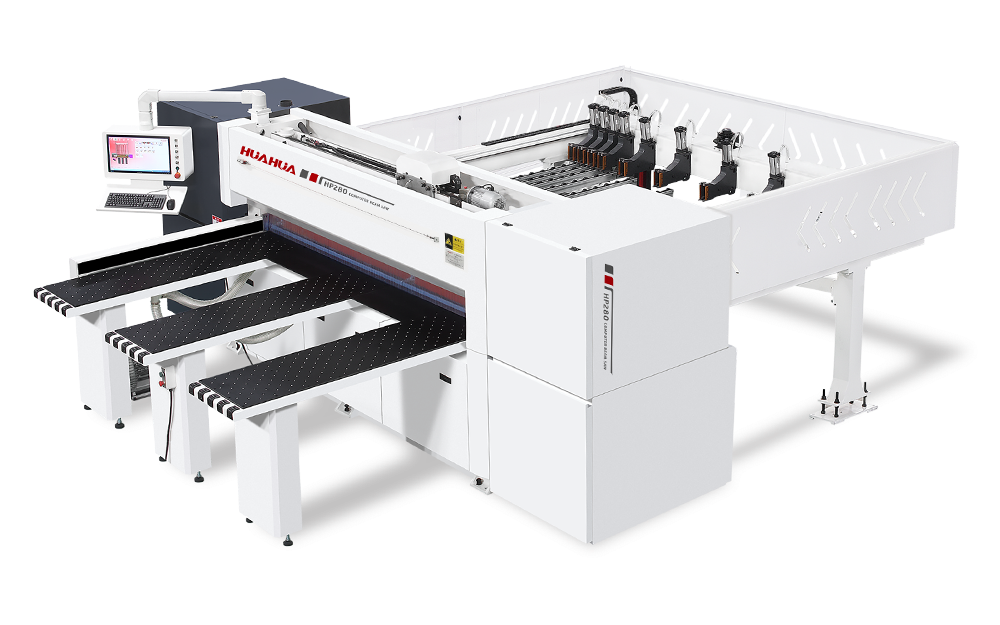
A cabinet CNC should lock down tolerances, repeatably. That means a rigid gantry and well-supported spindle, precise ball screws or linear motors, and a controller that handles nested panel workflows without fights. Equally important: tooling choices and tool-change logic that keep corner radii and hole positions consistent across thousands of panels. When those elements cooperate, joinery fits with less sanding and final assembly becomes measured, not guessed.
Software, tooling, and the habits that matter
Toolpath strategy is as much craft as code. Adaptive clearing that respects wood grain, lead-in choices that avoid chip-out on edges, and probing routines to register warped panels — these are software moves that matter on the shop floor. Use carbide tooling sized to the operation, and profile speeds that match your spindle’s torque curve. Ignore those, and no machine—no matter how rigid—will deliver repeatable quality.
Real-world anchor: where theory meets practice
On a recent visit to workshops in Shenzhen’s furniture belt, I watched technicians switch from manual edge trimming to a nested workflow using a cnc machine for wood work. The change didn’t come from brand hype; it came from clear problems—variation in dovetail cuts, wasted edge banding, and slow changeovers—that a purpose-built machine addressed. Seeing the same fixtures and tool libraries reused across runs convinced me: standardized process plus the right machine reduces rework dramatically.
Common mistakes that trip shops up
People often over-spec machines for spindle speed while ignoring torque and chatter resistance. Others focus on flashy vacuum tables without engineering proper spoilboard support. Failing to document feed-and-speed for different tool lengths and materials is a recurring oversight. Fixing those mistakes is straightforward if you treat them as engineering constraints rather than mysteries.
Alternatives and realistic trade-offs
If you’re weighing options, remember: a dedicated cabinet CNC with a good nesting package beats modifying a general-purpose router when volume and repeatability matter. Five-axis work is tempting, but for most cabinetmakers, it’s added cost without proportionate benefit. Manual routers and jigs still have a place for low-volume or bespoke pieces, but they demand skilled labor and produce more variability. Choose according to volume, tolerance needs, and the skill you have to sustain the process.
How to measure improvement and trust your setup
Set small, observable metrics: percentage of parts that meet tolerance on first pass, time per panel from nest to edge banding, and frequency of tool changes due to breakage. Run a baseline, change one variable at a time, and measure. Those concrete numbers build trust faster than slogans. Skilled operators paired with documented settings turn a machine into a repeatable system.
Where practice and a reliable partner converge
Fix the technical weak links, standardize tooling and software routines, and document the small decisions that keep doors and drawers truthful. When that work is done you get craft that scales: consistent fits, less rework, and predictable delivery. That’s the quiet value that comes through when a workshop chooses a thoughtful solution like HUAHUA CNC and treats the machine as one engineered member of a larger process rather than a magic box.