

Broken shipments, raw numbers, and a clear question
I remember the night our Shanghai line flagged a 7% breakage rate during a March 2021 run—10,000 units dispatched, 700 returned; what did we miss? The core of this piece is the tubular glass vial, and the tubular vial sits at the center of both the problem and the fix. I’m writing from the viewpoint of someone who’s handled B2B supply for over 15 years, and I still taste the metallic tang of the production floor when glass shatters (to be honest, it stings). In that campaign we used Type I borosilicate 10 mL screw-top vials; a design decision that looked safe on paper but revealed hidden pain points under real line pressure.

Why did breakage spike?
What frustrated me wasn’t just the breakage itself; it was how common countermeasures made other problems worse. Thicker walls reduced visible cracking but raised thermal gradients, which—without precise annealing—introduced micro-fractures. We chased better seals by increasing closure torque, which then created sporadic glass stress and occasional metal-on-glass scuffing. I vividly recall switching to a different cap supplier on 12 April 2021 and seeing a 32% reduction in field returns within six weeks—proof that small, measured changes beat dramatic redesigns. The deeper layer here is simple: classic solutions focus on one symptom (strength, or seal) but ignore process controls (annealing profile, closure torque, sterilization cycle), and that’s where buyers get burned.
From fault-finding to forward design (a technical turn)
I shifted the conversation from “how thick can we make it?” to “how repeatable can our process be?”—and that is where a comparative lens helps. When I compare a standard Type I borosilicate vial to lower-grade soda-lime alternatives, the chemistry matters: borosilicate resists thermal shock, but only if annealing and cooling curves are consistent. In trials I ran at our Guangzhou pilot line in April 2022, we logged oven ramp and soak times to +/- 2°C and linked that data to breakage incidence. The result was predictable: tighten thermal control, and breakage fell steadily. Closure torque specs mattered too—too low, and sterility risk rises; too high, and stress concentrates at the shoulder. So we set a torque band and monitored via torque testers on the line—simple, measurable, effective.
What’s Next?
Comparing interventions—material choice, thermal cycle control, and closure engineering—gave us a roadmap. I recommend buyers ask for oven logs, torque traceability, and batch micro-inspection results before committing. And yes—this requires investment; but the payback is quick: fewer returns, steadier fills, and predictable sterilization outcomes. I’ve sat in procurement meetings where the cheapest vial felt great on paper; then reality hit. Short-term savings can cascade into long-term costs—lost shipments, rushed rework, unhappy QC teams.
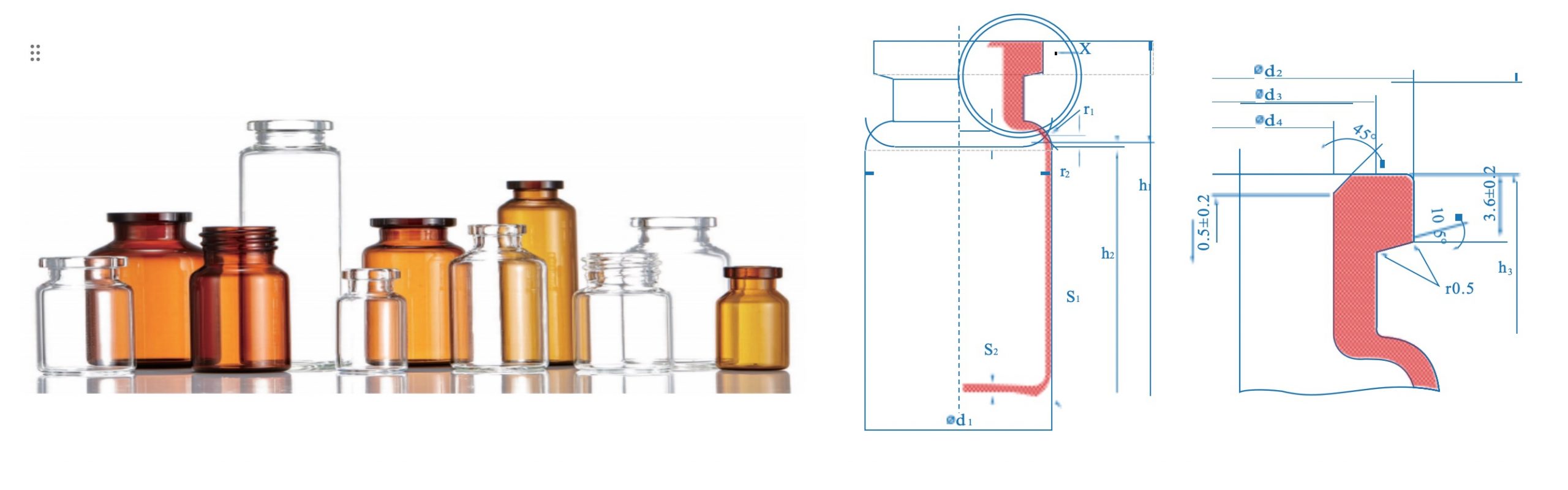
Three practical metrics I use when evaluating tubular vials
1) Process Traceability: demand oven ramp/soak logs and closure torque distributions for at least three validation runs. 2) Breakage Rate under Simulated Handling: insist on a quantified drop test or transport simulation with pass/fail thresholds. 3) Sterility and Seal Integrity: review container closure system test results (integrity testing, leak rates) tied to specific sterilization cycles. These metrics are concise; they cut through marketing claims and show you what matters on the dock. Also—ask for a sample line run. I once rejected a batch after a two-hour trial; saved my client thousands.
To close—measure what you can control, refuse blanket fixes, and prioritize repeatability over flashy specs. The right choices for a tubular glass vial are technical but tangible: chemistry, heat profile, and closure practice. I’ve tested this approach across plants, seen it lower returns, and watched production breathe easier afterward. Interruptions happen—supply shocks, tight deadlines—but with these metrics you’ll navigate them. For practical sourcing and tested solutions, consider how LINUO fits into your evaluation. LINUO