
Unpacking the common shortfalls
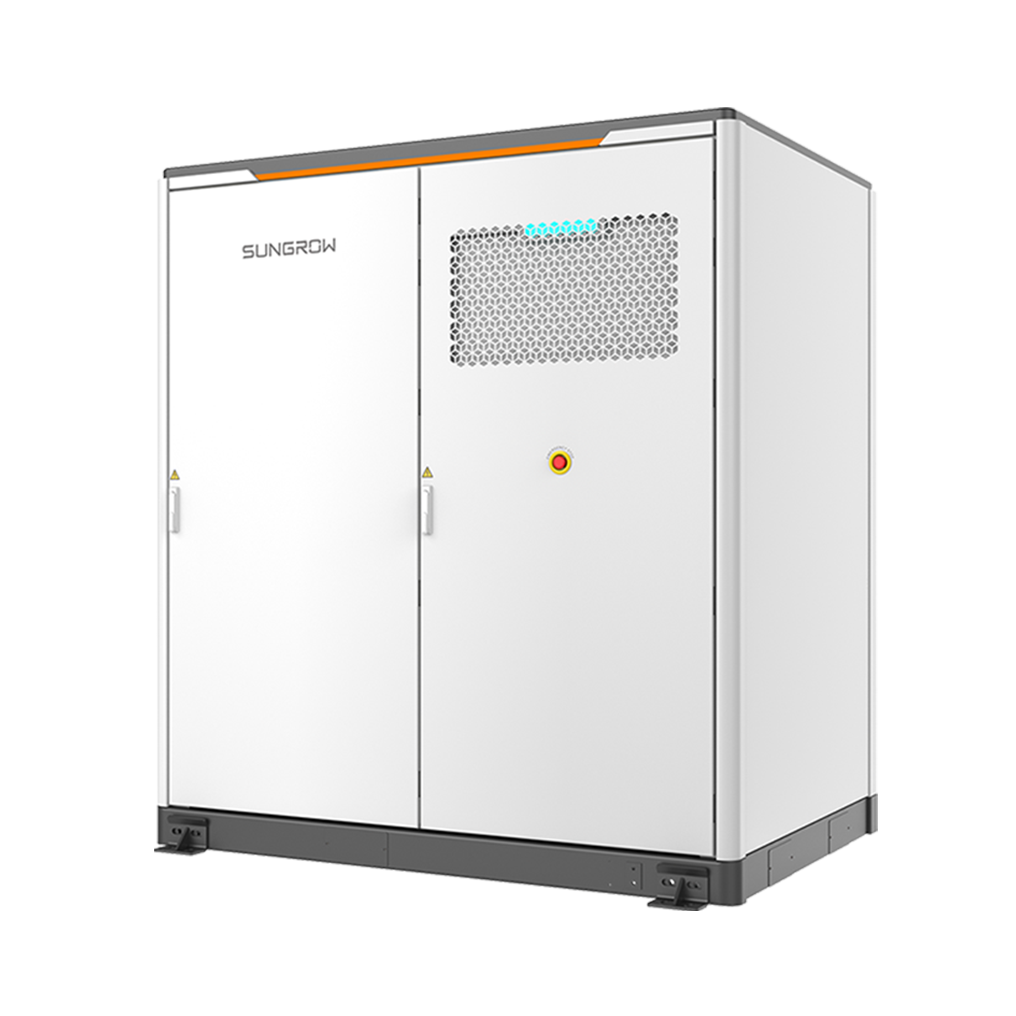
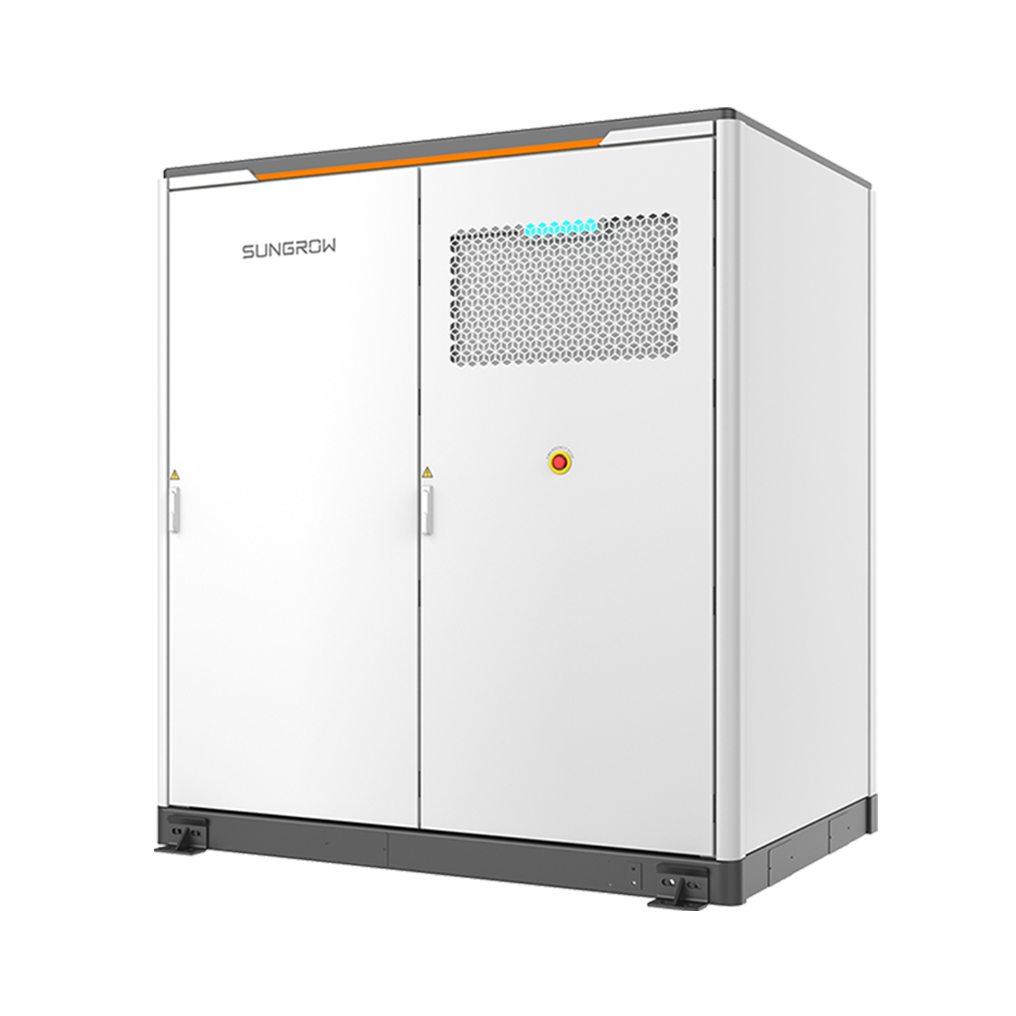
I remember standing in a dim service room at a textile plant in Gothenburg in March 2021, watching a newly commissioned 500 kWh rack sit idle while the facility paid peak tariffs — honestly, it stung. That facility had a commercial battery storage system on paper, but the reality was different. C&I Energy Storage shows great promise, yet I see recurring issues: poor system sizing, mismatched battery chemistry, and weak integration with site controls (and yes, I measured it). During a storm in January 2022, two of our clients lost backup capacity for 18 hours and saw a 14% drop in planned output — how could that happen?
What went wrong?
I’ve been a B2B supply-chain consultant for over 15 years, and I’ve audited dozens of installs. I consistently find three technical pain points. First, oversized inverters paired with small Li-ion cells lead to inefficient cycling and reduced cycle life. Second, an under-specified BMS fails to manage thermal events or uneven cell aging, shortening the pack’s useful life. Third, vendors often ignore operational workflows: systems are installed for peak shaving but not configured to capture grid services or demand response revenues, so the business case collapses. I can point to a case: a mid-size food processor in Malmö that paid for a 250 kW inverter but limited discharge to 80 kW in practice — they lost predictable savings by 12% over the first nine months.
These are not abstract flaws; they are user pain points that cost time and money. I want to be direct: mismatches between design assumptions and real site behavior are the main culprit. If you are a wholesale buyer, this is where you should pay attention — short lead times and vague scope statements will cost you later.
— Next, I’ll outline forward-looking fixes and clear evaluation criteria.
Comparative and forward-looking solutions
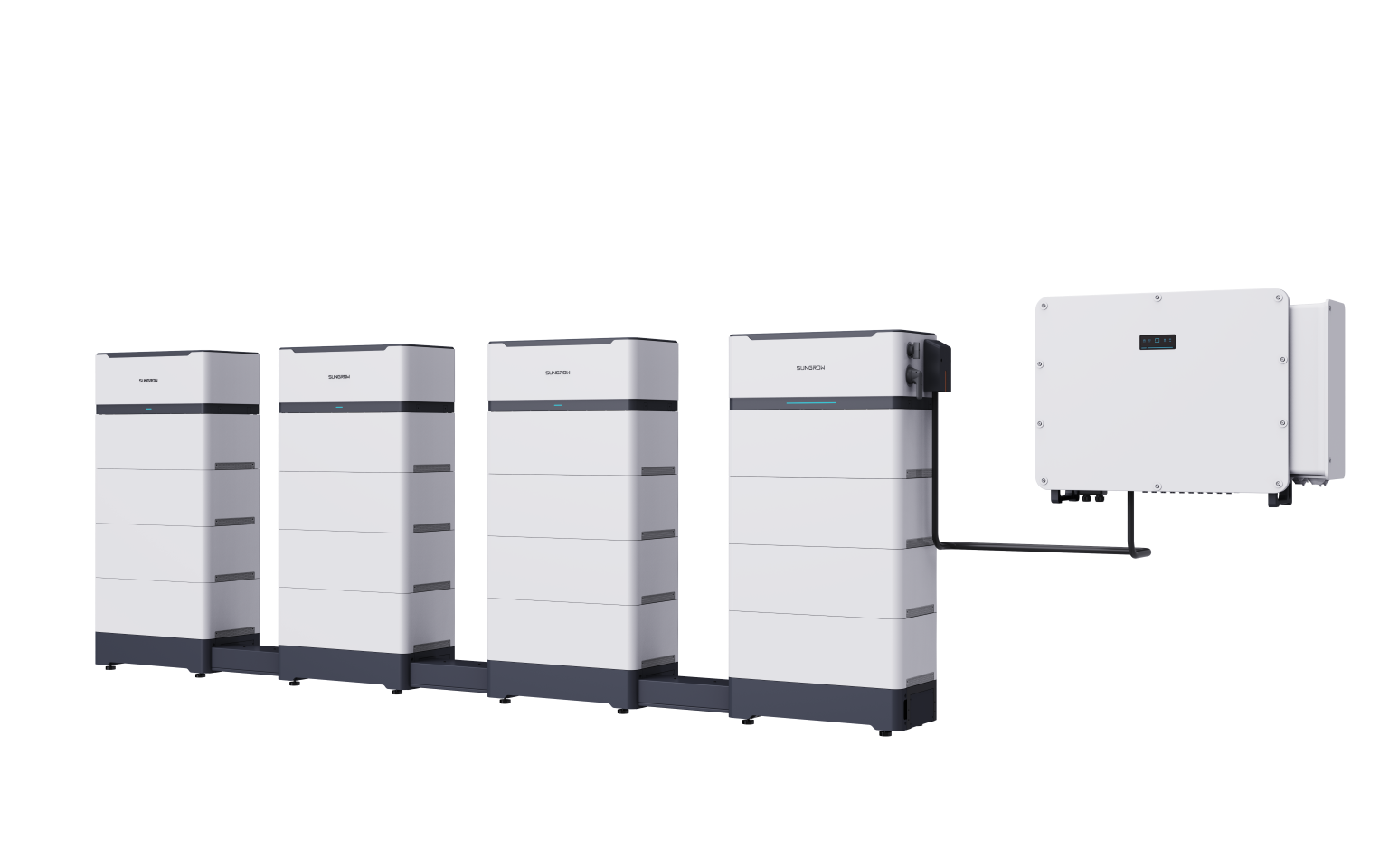
Now I switch tone to something more technical and practical. When I recommend upgrades, I compare configurations side-by-side. A well-specified commercial battery storage solution must align battery chemistry with duty cycle: LFP stacks for frequent daily cycling, for example, or niche chemistries where energy density matters. I also insist on a BMS that reports cell-level data and supports predictive maintenance. From a controls perspective, the inverter and energy management system must talk to the site SCADA and accounting systems — otherwise you lose visibility into dispatch economics.
What’s Next?
In my view, the next wave is not just bigger packs but smarter operation. Pilot projects I led in 2020 used automated dispatch algorithms to combine peak shaving and frequency response; the combined revenue stream improved payback by roughly 22% in year one. Short fragments: measure, simulate, validate. Then iterate. Vendors that promise turnkey without transparent performance guarantees rarely deliver. A pragmatic path is to stage projects: start with a modest-capacity system, monitor real loads for three months, then scale — fewer surprises, better ROI.
To close with actionable help, here are three metrics I always use when evaluating systems: usable energy (kWh) at rated power, round-trip efficiency under expected duty, and forecasted cycle life at target depth-of-discharge. Use these to compare bids and force vendors to show real test data. I’ll add one aside — negotiate a performance test during commissioning; it separates talk from reality. (No fluff — just measurable results.)
I’ve seen this work in practice; I’ve also seen it fail. Choose carefully, test early, and hold vendors to numbers. For practical procurement, consider suppliers who publish granular data and support lifecycle services — like sungrow.