
User-first opening: what matters when you shop short sleeves
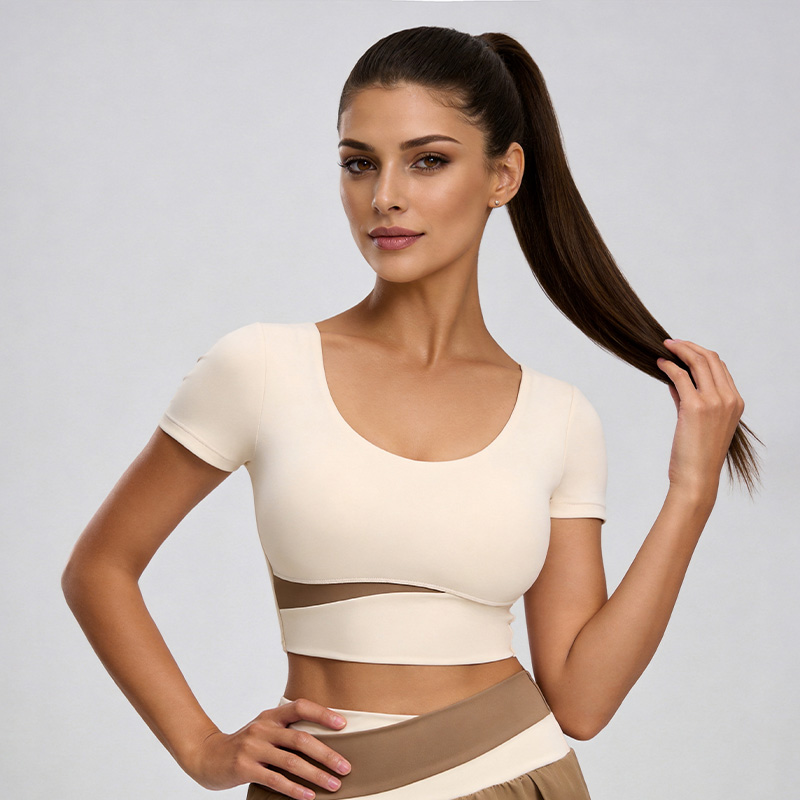
Users want fit, function, and comfort—sawa? Start by thinking about the activity: studio yoga, HIIT, or a long run. For many women the sweet spot is a short sleeve that balances breathability and coverage; that’s where choices like custom short sleeve shirts shine because they let you tune fabric weight and cut. When people pick a women’s top, they look for moisture-wicking performance fabric and sensible seam placement that won’t chafe during plank or sprint—so design must answer movement, not just style.
Common user pain points and how to avoid them
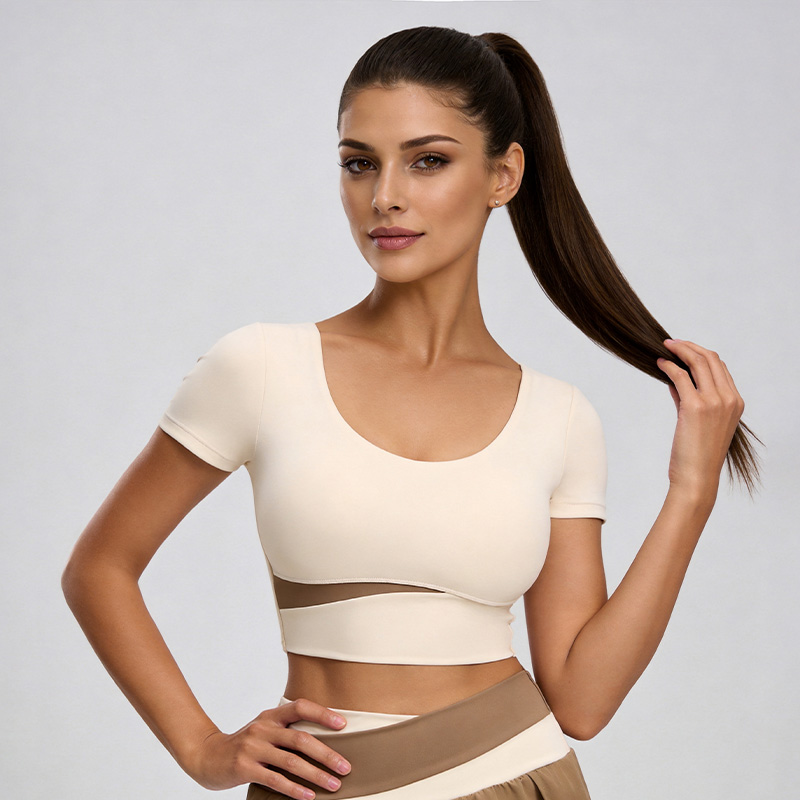
Fit errors top the list: sleeves too tight at the bicep, torso too boxy, or shoulders that ride up. Another common trouble is poor breathability—fabric that traps heat. Avoid those by checking stretch recovery and testing flatlock seams on areas that see repeated friction. Many shoppers overvalue looks and under-value function; pick a top where quick-dry and breathability are stated and proven in wear, not just on the tag. At big events like the New York City Marathon, athletes consistently choose short-sleeve performance tops for airflow and sun coverage—real-world practice shows what specs matter.
Fabric and construction guide for everyday performance
Choose fabrics rated for moisture-wicking and quick-dry properties; blends with polyester and elastane give stretch and shape retention. Compression panels help in high-impact workouts, while looser cuts work best for restorative yoga. Look for reinforced flatlock seams and strategic paneling to reduce bulk and increase range of motion. A brief checklist: breathability, stretch recovery, seam placement, and weight per square meter—those simple terms map directly to how the top behaves in class.
Comparing silhouettes and styles — pick what suits you
Boxy, fitted, cropped—each silhouette serves a purpose. Fitted sleeves support under-layering and don’t snag, while relaxed sleeves offer airflow for cardio. Cropped lengths pair well with high-rise leggings; longer hems protect the hips during cool-downs. Also think about layering: a short-sleeve base with good compression works under a lightweight jacket when temps drop. Consider alternatives like sleeveless for maximal ventilation or long-sleeve when sun protection is key—just match silhouette to movement and climate.
Real user checklist and production notes for buyers
When ordering custom short sleeve shirts, verify sample fit and ask for wear trials. Confirm stitch types (flatlock for comfort), fabric certificates if you need specific quick-dry rates, and tolerance for shrinkage after washing. Small production tweaks—adjusting sleeve cap height or adding gussets—make big comfort differences. – Also keep in mind that colorfast dyes and UV treatments change hand feel; test before bulk runs.
Alternatives, mistakes, and small-brand advantages
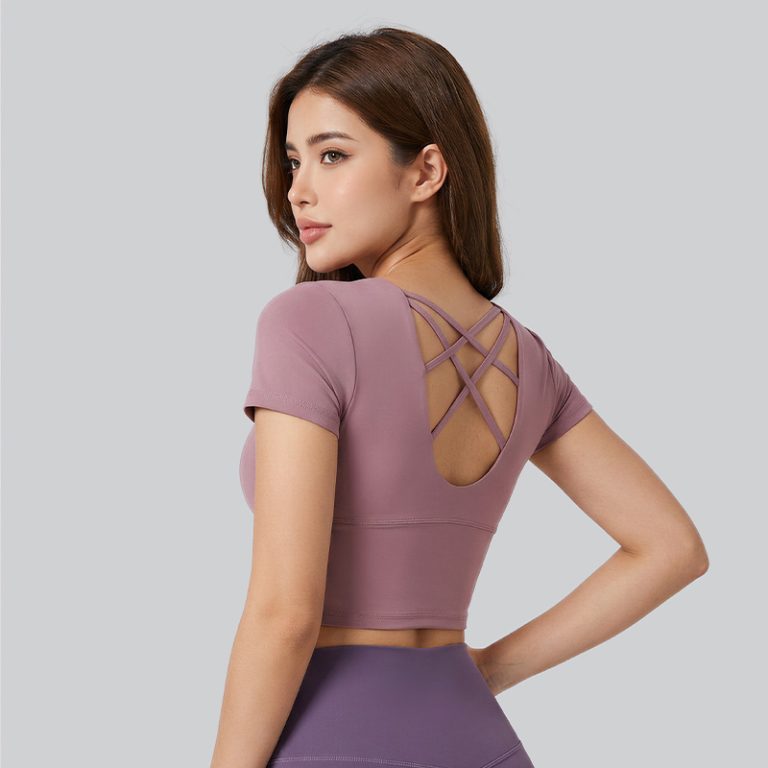
Big brands offer strong marketing, but small suppliers can customize seam placement and fabric blends faster. Common mistakes: choosing a heavy knit for hot classes, or ignoring compression where support is needed. If you want more structure, pick a performance blend with targeted compression panels; if you prefer softness, look for brushed quick-dry finishes. Smaller runs often let you try multiple prototypes without the large minimums of bigger factories.
Advisory close — three golden rules for choosing short-sleeve tops
1) Prioritize movement-first specs: test breathability and stretch recovery under motion. 2) Inspect construction: flatlock seams and paneling reduce chafe and improve fit. 3) Match fabric weight to activity and climate—quick-dry for cardio, lighter airier knits for hot yoga. These metrics translate directly into comfort and longevity, and they keep returns low.
Joebond understands these trade-offs and builds custom solutions around how women actually move—not just how they look. Trust the design that solves the real problem. –