
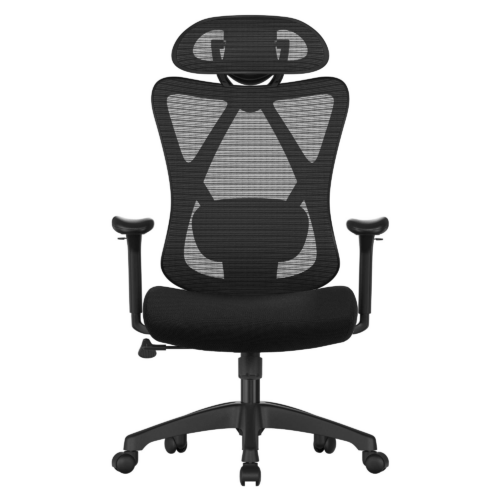
A Comparative Lens on Everyday Sitting
We sit more than we sleep. A trusted office chair manufacturer knows the scene well: the quiet meeting room, the fidgeting shoulders, the slow neck roll as focus drifts. Data is blunt—many teams report lower focus and higher fatigue after two hours in poor seating, and micro-pauses eat into output. So the question lands: why do small comfort misses grow into big business losses?
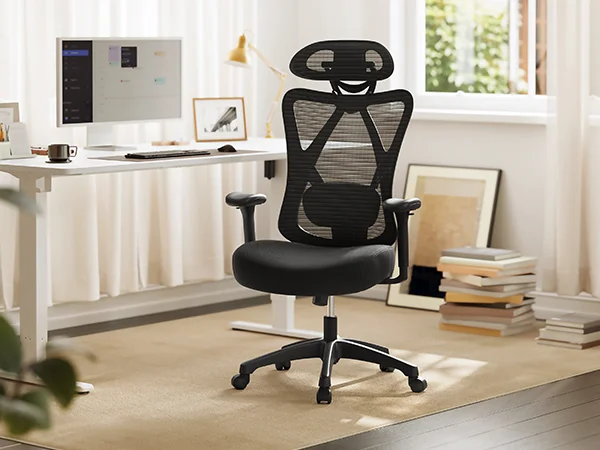
I’ll be direct and warm about it (si capisce?): most chairs are judged by look and price first, by fit and durability second. That mismatch piles up in unseen ways—loose arm bolts at month six, foam collapse at month twelve, and a squeak that drives people mad by year two. Standards like BIFMA help, yet they don’t tell the whole story of real bodies in motion. Pressure mapping, torque testing, and even simple tear-down audits expose the gap. Are we, as buyers and specifiers, asking the right questions—or just repeating old checklists? Let’s step through a clearer frame and move from guesswork to grounded comparisons. Onward to the deeper layer.
The Deeper Problem: What Top Makers Often Miss
Where do the aches really start?
Even the top office chair manufacturers can overlook hidden pains that don’t show up in lab specs. Seat pans that tilt too flat force a posterior pelvic tilt. Armrests set too wide cause shoulder reach and neck strain. Hard front edges bite into thighs, cutting circulation during long calls—funny how that works, right? Look, it’s simpler than you think: people move. Micro-movements, swivels, stretch-and-return. If a chair’s hinge geometry and recline tension don’t match actual body leverage, users fight the chair all day. That fight looks like slouching, not because they are lazy, but because the mechanics are off.
Traditional fixes often miss context. Thicker foam? Without density mapping, it bottoms out. More adjusters? Without clear detents and repeatable stops, users get lost. A shiny base? If the caster spec ignores floor friction, mobility suffers. Better is a system view: pressure mapping of seat/back, BIFMA fatigue cycles plus field data, and FMEA on high-stress points (arm posts, tilt linkages). Pair that with lean cells on the line and simple torque-testing protocols for every SKU. Small manufacturing moves—tight CNC tooling tolerances, consistent powder coating cure—reduce squeaks and play. The lesson: comfort is built as much in the factory as it is in the studio.
Ahead of the Curve: New Principles Reshaping Chairs
What’s Next
Now, let’s look forward with a technical lens. The smartest office chair manufacturing companies are adopting new technology principles that connect design, factory, and field use. Start with a digital twin of the chair’s frame and mechanisms. Run finite element analysis (FEA) on the tilt links and arm brackets to predict stress hot spots before tooling. Layer in pressure mapping data from real users to fine-tune lumbar geometry. Then close the loop: computer vision QC checks stitch lines, seam spacing, and part fit, catching drift in real time. Small sensors aren’t always needed—but traceability is. Batch-level tracking ties foam density and injection molding lots to any claim, so fixes get fast and precise.
Next, use modular hardware logic. Shared cores with swappable backs and arms allow SKU rationalization without killing fit. CNC tooling delivers tighter pivots; improved bearings cut noise and wobble. In the plant, lean cells reduce handling, and simple poka‑yoke steps protect assembly torque targets. Out in the world, field data (ticket types, caster wear, recline complaints) drives a clean DMAIC cycle—measure, adjust, prove. Do this, and you get fewer returns, fewer squeaks, more trust—funny how that works, right? The future is not flashy gadgets. It is steady, verifiable improvements across design, test, and build—linked by shared data and clear accountability.
How to Choose: Three Metrics That Matter
Advisory close, plain and useful. When you compare suppliers or models, anchor your decision on three metrics that are practical to check and meaningful over time.
1) Ergonomic Fit Coverage: Ask for anthropometric coverage from the 5th percentile female to the 95th percentile male across seat height, seat depth, lumbar height, and arm width. A simple chart should show ranges and detents. Bonus if it’s validated with pressure mapping, not only drawings.
2) Proven Reliability Rate: Request BIFMA test results and field failure rate per 1,000 units over 24 months. Look for data on tilt linkage wear, caster breakage, and foam compression set. Traceability records and FMEA summaries show whether issues were found—and fixed.
3) Cost per Seat-Year: Don’t stop at the invoice. Roll in expected lifespan, maintenance (casters, cylinders), and lead-time risk. A chair that costs a little more but lasts two extra years with fewer service tickets often wins the math. Add supplier process tells—CNC tolerance reports, powder coating cure checks—to confirm consistency.
Choose with these three lenses, and the noise falls away. You buy not just a chair, but a clear path to quieter days, steadier posture, and fewer support calls. For teams who value calm focus and measurable results, that’s the real luxury. Shared knowledge, steady craft—that’s the way forward with SONGMICS HOME B2B.