
The problem in plain sight
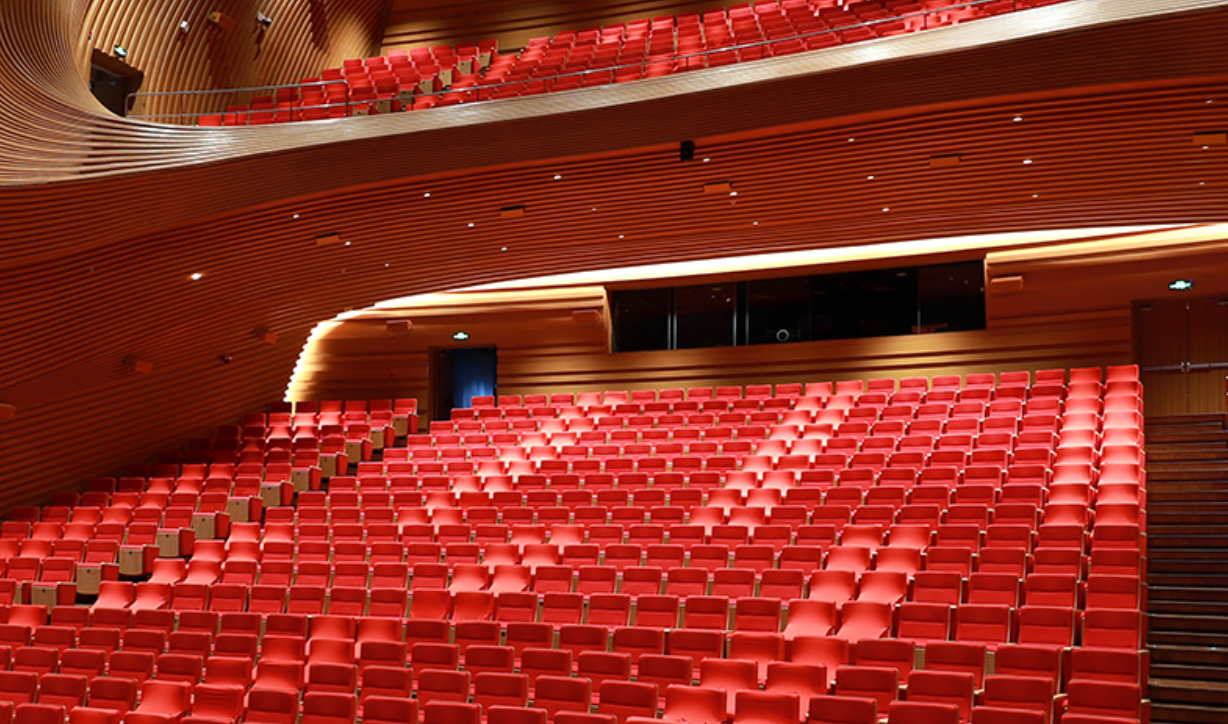
Small architectural firms and independent cinemas are running into the same snag: highly specialized seats, like cinema recliners, create unpredictable demand that local supply chains struggle to meet. Upgrades to auditorium layout, last-minute design changes, and long lead times for recliner mechanism parts all cascade into project delays. That matters because seating is not a throwaway finish — it sets sightlines, comfort standards, and the construction schedule. cinema seating isn’t just furniture; it’s a linchpin in delivery timelines.
Why recliners stress local supply chains
Recliners combine mechanical complexity, upholstery choices, and installation tolerances. Local suppliers face three acute pressures: small-batch customization, precise tolerances for seat modules, and variable warranties that shift responsibility. Those pressures create friction with architects who need predictable delivery windows and builders who need parts that fit the specified rake and row spacing. The result is costly rework, extended site occupation, and frustrated owners.
How recliners can actually strengthen local networks
When managed deliberately, cinema recliners become a demand signal that helps local shops scale capability. Designers who standardize core dimensions and commit earlier to upholstery grade and mechanism types enable fabricators to order consistent components. Local upholstery shops win steady volume and invest in tooling; metal shops refine bracket tolerances; logistics providers schedule regular pallet runs. Over a season, that predictability lowers per-seat cost and shrinkwrap surprises into fewer on-site fixes.
Concrete steps for architects and cinema owners
Practical moves reduce the chain’s fragility. First, lock down seat module dimensions and recliner mechanism spec before tender. Second, break the fit-out into milestones so suppliers only deliver finished modules when the subfloor and rake are confirmed. Third, include local trial installs to validate sightlines and aisle clearances. If a project needs a trusted partner for large orders, consider a reliable cinema seating supplier who can bridge factory efficiency with local installation teams.
Real-world anchor: lessons from the post-2020 recovery
The COVID-19 pandemic forced many small cinemas to rethink fit-outs after closures in 2020. Some venues in cities like Portland upgraded to recliner seating to regain audiences, but the work exposed thin local capacity for specialized upholstery and mechanisms. Contractors who had previously relied on ad-hoc sourcing suddenly sourced longer-term partners and standardized specs — that shift cut lead times in follow-up projects. The pandemic was the trigger; the practical response was standardization.
Common pitfalls and how to avoid them
Teams regularly trip over three issues: late specification changes, unclear warranty splits, and assuming “the seat will fit” without a mockup. Avoid those by adding a short trial install phase and defining warranty responsibilities in the contract. Small investments in a mockup pay off — fewer surprises during final install, and less operational downtime when the cinema reopens.
Quick comparison of paths forward
Option A: Custom one-off recliners sourced from global vendors — high uniqueness, long lead times, and heavier logistics. Option B: Standardized modules from regional suppliers — moderate customization, faster turnarounds, and better on-site support. Option C: Hybrid supply with factory-made modules and local finish — best balance for projects that need both speed and locality. Each path asks for different risk allocation from architects and owners.
Three golden rules for selecting partners
1) Confirm technical alignment: verify mechanism type, seat pitch, and upholstery grade against your auditorium layout. 2) Prioritize lead-time transparency: contracts must include staged deliveries tied to site milestones. 3) Choose partners with installation experience: look for firms that handle on-site adjustments and post-install support. Those metrics predict whether a supplier will reduce headaches or multiply them.
Picking the right solution naturally points to vendors who combine manufacturing scale with local service experience — a gap that competent manufacturers and installers bridge. For projects where reliability and timely installs matter, consider how a supplier’s process will plug into the construction schedule. leadcom seating. —