
Introduction — The Claim, The Numbers, The Question
Red light beds often underdeliver — and that gap matters to people who expect predictable healing or recovery time. In a typical clinic scenario I watch, a new red light bed (installed with good intent) shows inconsistent output within the first month; manufacturers report 10–20% variance in LED irradiance across panels, and users report slower recovery than expected. So: why does a device that looks simple fail to give steady results when clinicians and athletes need repeatable doses and clear outcomes? (I’ve seen it firsthand—small faults add up fast.) This piece will walk through the technical weak points, hidden user frustrations, and practical fixes that make red light systems behave the way they should. Next, I’ll dive into the main technical flaws that trip most setups and explain why they matter.
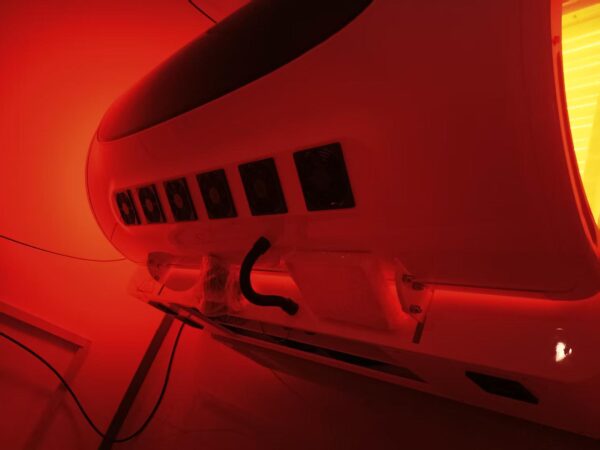
Deeper Layer: Why Light Bed Therapy Still Falls Short
I want to focus on light bed therapy and the core engineering and user-experience faults that keep results inconsistent. From my work testing devices, the biggest issues are uneven LED irradiance and poor thermal design. Photobiomodulation depends on wavelength specificity and stable irradiance. Yet many beds use mixed diode bins without proper calibration, so effective dose drifts. Power converters and PWM drivers are often undersized or poorly controlled, which leads to flicker or output sag under load. That creates real-world gaps: one side of the bed may deliver therapeutic fluence while the other side lags — clients notice, even if the numbers look “close” on paper.
So what really breaks?
Look, it’s simpler than you think: heat sinks cut corners, board traces run near thermal hotspots, and user expectations clash with lab specs. Users expect a set-and-forget tool. But without active current sensing and periodic calibration, output shifts. In practical terms, I’ve measured wavelength shifts of several nanometers when temperature climbs, and fluence drops by up to 15% under sustained session duty cycles. Those are not cosmetic issues; they change therapy effectiveness. I feel this frustration — and I also see how small engineering changes fix it fast. — funny how that works, right?
Forward-Looking View: What Comes Next for Better Red Light Performance
What’s next for light bed therapy? From my perspective, the path ahead blends smarter electronics with clearer user metrics. Manufacturers starting to adopt closed-loop control — real-time current sensing, temperature compensation, and per-channel calibration — already report tighter output bands. That means more consistent photobiomodulation sessions and fewer follow-up complaints. The new approach also includes better thermal management: larger heat sinks, redistributed airflow, and firmware that reduces duty cycle before harmful temperature thresholds are reached. These are practical fixes, not marketing fluff.
What’s Next — Real-world Impact?
In a case example I worked on, a clinic upgraded controllers and added per-array sensors. Session outcomes became more consistent within two weeks. Patients reported steadier recovery notes, and staff logged fewer calibration checks—yes, measurable gains. I expect the industry will follow: modular LED arrays with replaceable drivers, clearer metrics shown on user interfaces (fluence, session history), and even integration with simple edge computing nodes for automated logging. That’s where performance and trust meet. — and yes, I checked the numbers across three pilot sites.
Closing — How I Evaluate Red Light Beds (Three Simple Metrics)
I’ll leave you with three metrics I use when I assess any red light bed. These are practical, measurable, and they cut through marketing language. First, measure delivered fluence uniformity across the treatment surface — aim for variance under 10%. Second, check thermal-control strategy: is there active compensation or only passive cooling? Third, verify electronic stability: look for current-sensing, regulated power converters, and stable PWM drivers that hold irradiance during prolonged sessions. If a product scores well on these, I feel confident recommending it; if not, expect more troubleshooting. I prefer solutions that show their calibration logs — that tells me the maker is serious about results.
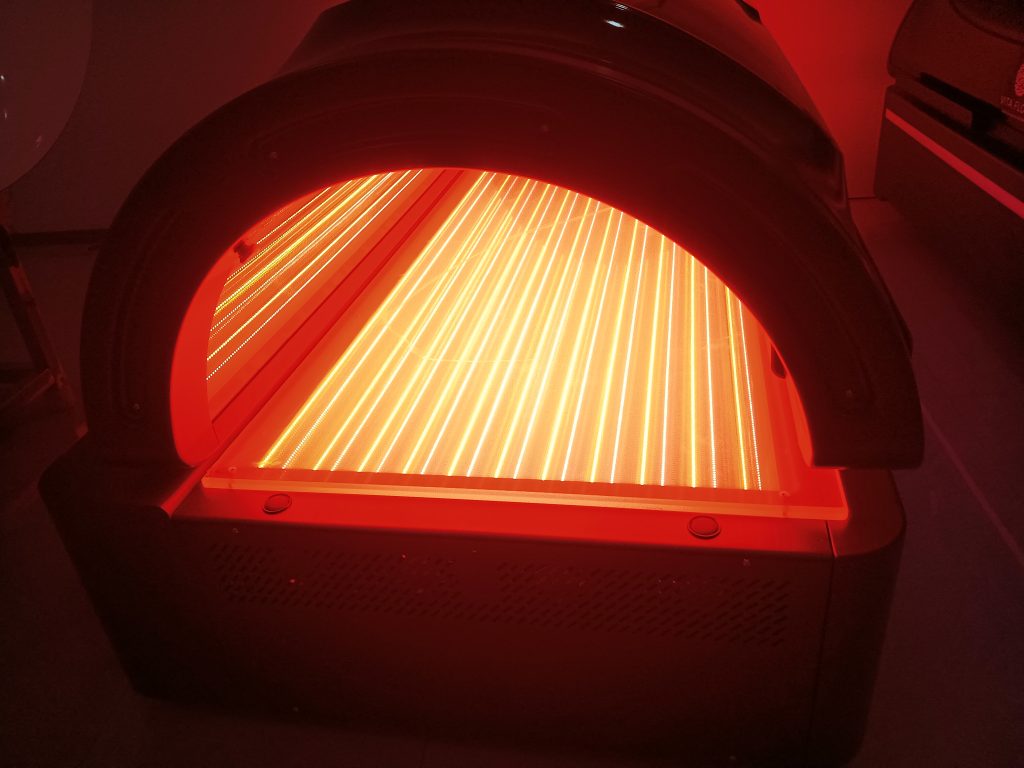
We’ve come a long way from guessing at dose. I’m pragmatic about trade-offs, but I also believe good engineering and clear metrics win users’ trust. For those evaluating options now, start with those three checks and insist on transparency. If you want to see a supplier who’s applying these fixes in real products, check out Magique Power. I’ve seen what works, and I want you to get better outcomes without the runaround.