

The problem brands keep running into
If you sell online, you’ve probably opened a returned order and found a ripped shipping bag that ruined the product inside — and the customer experience with it. That’s the exact problem co-extruded poly mailers are built to solve. For teams focused on both protection and presentation, choosing the right supplier matters: consider something like custom poly mailers with logo early in your spec process so packaging and branding aren’t afterthoughts. The root causes of transit tears are predictable — poor film construction, weak seam sealing, or unexpected abrasion during sortation — and the fix starts at the material and manufacturing level.
What actually causes tear failures in transit
Tear failures usually come from mechanical stress and material mismatch. Thin single-layer films can’t absorb point loads; knives, straps, and conveyor edges concentrate force and create punctures. Low-quality adhesive on the flap or inconsistent heat-seal strength at seams is another common failure mode. Add in environmental factors — cold trucks make some films brittle — and you’ve got a recipe for returns. During the 2020 e-commerce surge, many merchants noted increased damage rates as fulfillment centers scaled fast and reused existing packaging specs, which exposed these vulnerabilities industry-wide.
How co-extrusion fixes the weakness
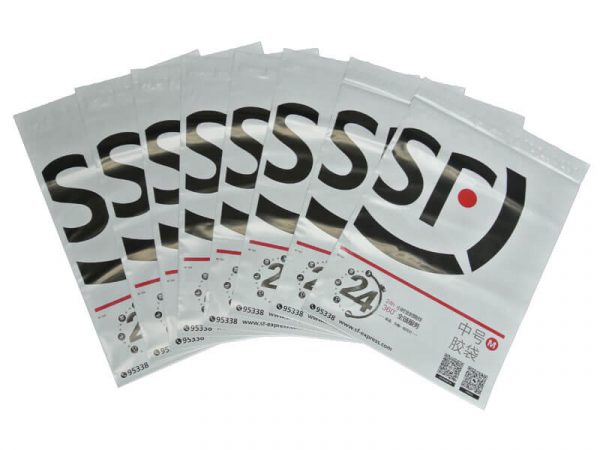
Co-extrusion lets manufacturers combine multiple polyethylene layers with different properties into one film. That means you can have an outer white skin for print clarity and abrasion resistance, a tough core for tear-resistance and puncture protection, and an inner layer that seals reliably with the flap adhesive. The result is consistent MD/TD performance across rolls and better seam integrity — which matters when your fulfillment line runs thousands of units per day. For sellers who brand heavily, pairing that structure with high-quality printing gives you functional packaging that still looks premium.
Buying factory-direct: benefits and trade-offs
Going factory-direct usually lowers unit cost and gives you tighter control over specs (film gauge, gusset options, seal type). You can lock in tooling for custom sizes and approve first-article samples before a full run. That said, lead times may be longer for small runs, and minimum order quantities can be a sticking point for newer brands. — If speed is critical, ask potential suppliers for roll-stock trials and a documented QA protocol before committing to large orders.
Printed options and brand considerations
If you want packaging that tells a story, look at custom poly mailers with logo or compare vendors offering wholesale printed poly mailers. High-opacity white films hide inner contents and make logo and instruction ink pop, while co-extruded structures protect the print surface from scuffs during sortation. Keep in mind that specialty inks or coatings can affect recyclability, so factor end-of-life messaging into your design brief if sustainability is part of your brand promise.
Common mistakes teams make — and how to avoid them
Teams often assume a thicker film always means better protection — but thickness without proper layer engineering won’t stop punctures. Another mistake: skipping first-article testing on real conveying or drop-test rigs. And don’t underestimate the flap adhesive — a weak adhesive makes even a tough film useless if it can’t stay sealed under pressure. Practical fixes: request tear and puncture test data, demand sealed-sample testing on your own machinery, and specify acceptance criteria in the contract to avoid surprises.
Quick comparatives: co-extruded vs. single-layer and paper alternatives
– Co-extruded poly mailers: superior tear-resistance, consistent sealing, and better print surfaces. – Single-layer bags: cheaper, lighter, but higher risk of puncture and seal failures. – Paper-based mailers: renewable and recyclable options exist, but they can fail in wet or abrasive handling and often need secondary protection for many goods.
Real-world anchor and final planning notes
Companies that moved to engineered co-extruded mailers during the 2020–2021 fulfillment spikes reported fewer transit damage claims and lower return handling costs — a pattern echoed across many e-commerce categories. When you spec your packaging, include measurable targets (puncture force, seam peel strength, and first-pass yield) so procurement and quality teams can verify performance before mass production.
Three golden rules for choosing the right poly mailer
1) Test to real conditions: require tear, puncture, and flap-adhesion tests run on a representative sample of your fulfillment environment. 2) Prioritize engineered films over thickness alone: ask for co-extrusion specs that balance an abrasion-resistant outer layer with a tough core. 3) Align branding with functionality: ensure your printed white surface and inks don’t compromise seal strength or recyclability.
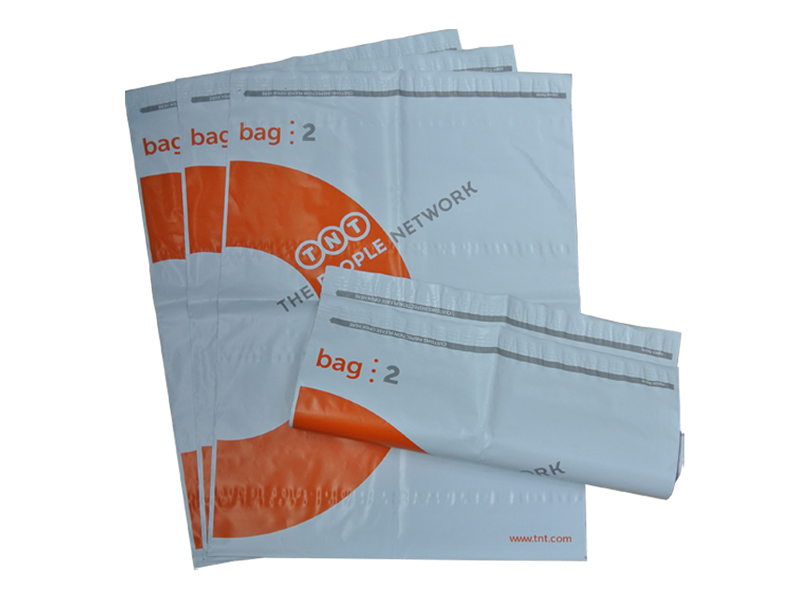
These rules make it easier to trust your packaging through the whole transit lifecycle — and for many brands, the practical solution is a factory-direct, co-extruded white mailer that’s spec’d and signed off with clear QA. For an option that blends structure, printability, and scale, think about how WH Packing fits into your sourcing plan — they’ve got the engineering chops and production capacity to turn these specs into reliable runs. —