
The First Step: Seeing the Real Pitfalls Before You Buy
A friend once rushed from store to store with a screenshot of her dream ring, only to end the day with sore feet and a foggy mind. Bridal sets feel simple at first glance, but the details can stack up. Recent shopper studies suggest that about one in three returns relate to sizing or mismatch issues, and timelines slip more than people expect (especially around holidays). So, what keeps smart buyers from small errors that snowball? Here’s the gentle truth: the choices get easier when you slow down and compare like with like, and when you know what matters most.

For many, the draw is clear: yellow gold bridal sets glow warmly, flatter a range of skin tones, and offer timeless style. But pace yourself. Surface shine can hide subtle gaps in fit, durability, and daily comfort. Do the two rings align under pressure? Does the setting protect the center stone during work or travel? And can you plan around real lead times—without guesswork? You don’t need to be a jeweler to ask these questions (promise). Let’s ease into a careful look, side by side, and make this process kinder on your mind and budget—one clear step at a time.
Under the Hood: Why Old Advice Doesn’t Always Hold Up
Are the old rules still serving you?
Classic guidance says, “Match the band, match the stone, done.” It sounds tidy. Yet many traditional checklists skip how two rings behave together over years. With yellow gold bridal sets, the karat and alloy mix matter as much as the look. A 14K band (harder alloy) paired with a softer 18K contour can wear at different rates, creating micro-gaps that collect grit and lotion. Prong settings that look elegant in a box can snag knitwear, while a slim shank flexes more than you think. That flex changes stone security under daily torque. Look, it’s simpler than you think: durability comes from material balance and thoughtful geometry, not just sparkle.
Traditional fixes—like tightening prongs once a year or adding a spacer band—treat symptoms. They don’t address root causes: ring pairing, load paths, and hand posture. A comfort-fit shank reduces pinch but can lift the engagement head, nudging the wedding band out of plane. Micro-pavé adds brilliance but increases the risk of side-stone loss if the shared prongs are too thin. Even polish and profile matter: a low bezel or semi-bezel shields edges better than high cathedral shoulders during keyboard work. In short, the old rulebook missed how tiny tolerances stack, especially when two rings move as one system—funny how that works, right?
Looking Ahead: Smarter Builds, Better Matches
What’s Next
Here’s the hopeful shift. Makers are blending craft with new design principles to predict wear before casting. CAD/CAM modeling maps the seat of the stone and the sweep of the wedding band, so their interfaces align under grip and twist. Finite element–style stress checks aren’t just for engineers; jewelers now simulate pinch points around the gallery and under the bridge. Result: cleaner contact, fewer hotspots, steadier prongs. Even small changes—tapered shoulders, a reinforced undercarriage, a snug contour—cut friction and keep the set tracking together.

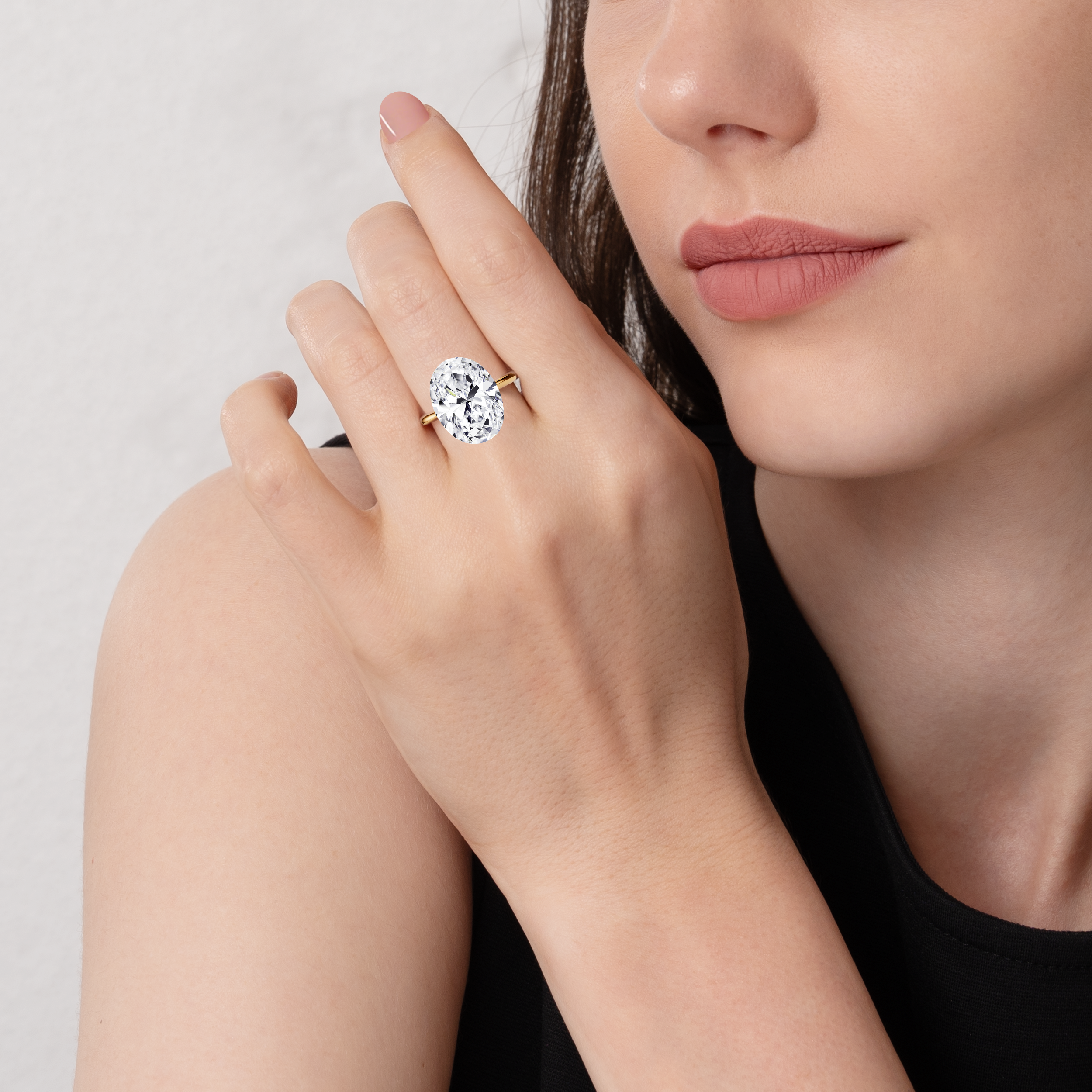
Prefer soft curves? Modern profiles for oval bridal set rings use lower centers of gravity and beefed-up seat rails to protect the facet edges. Channel-set accents can replace fragile shared prongs near the band junction, and laser-welded joins improve integrity without bulky solder seams. Compared to the “match by look” approach, these builds favor balance across karat, alloy hardness, and setting style. They don’t fight your routine; they flow with it. To choose wisely, focus on three evaluation metrics: alignment stability (do both rings stay flush during grip and flex), material pairing (karat and alloy hardness suited for daily wear), and setting protection (bezel or secure prong geometry that shields the stone in real life). Keep these simple checks in your pocket, and you’ll shop with calm. When in doubt, ask for a side-on fit test and a quick wear simulation; your future self will thank you. For thoughtful craftsmanship you can compare on these points, see Vivre Brilliance.