
The Scene, The Specs, The Big Why
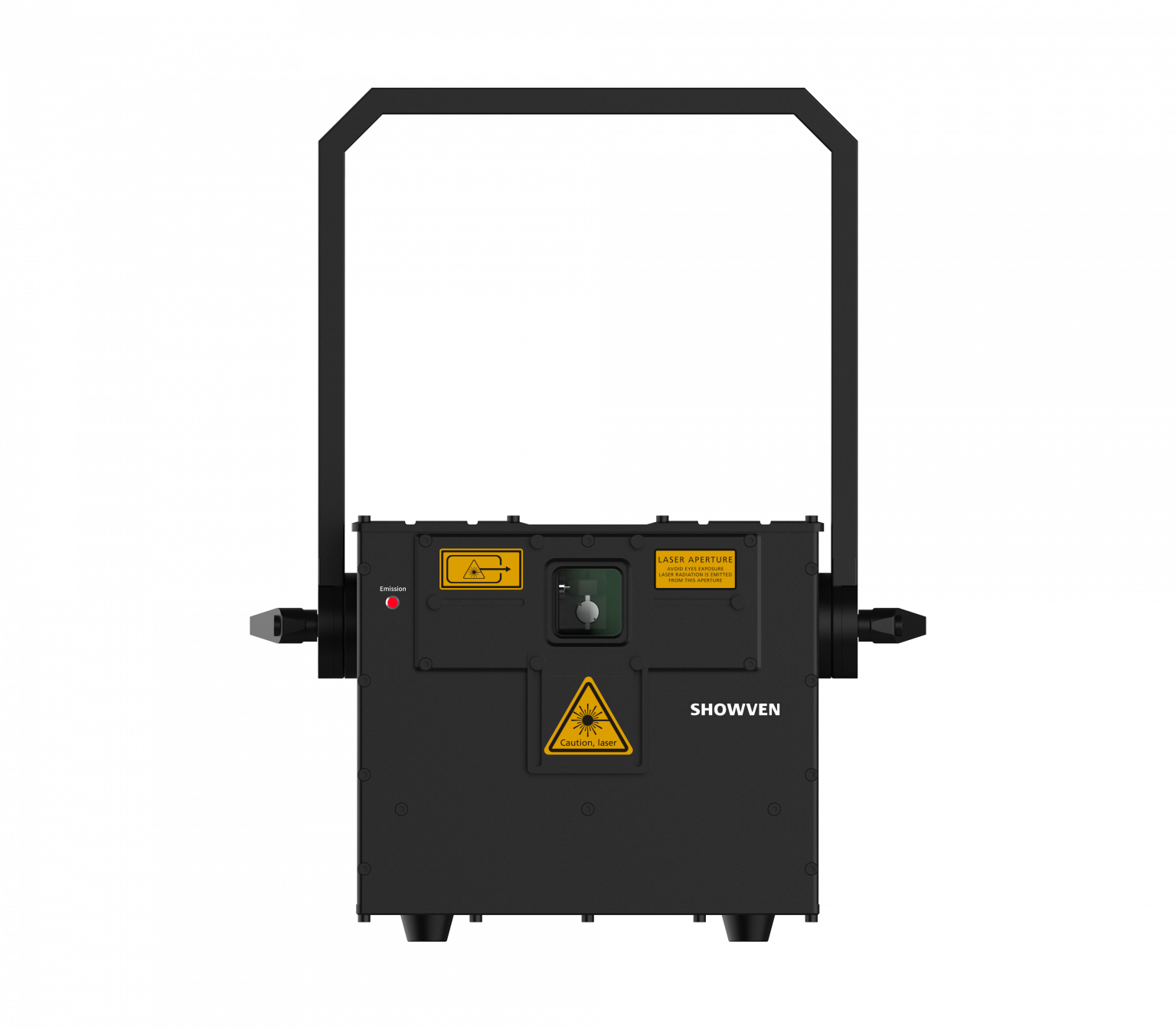
Define the glow, then chase it. Tonight’s festival laser lights paint thin ribbons across misty air as food stalls hiss and a brass band warms up. A modern laser holiday light projector is not a flashlight; it’s a system of diode modules, beam combiners, galvanometer scanners, and a constant-current driver tuned so tight you can hear the hum. In a drizzle, the IP65 shell shrugs off spray, while beam divergence stays near a few milliradians to keep lines crisp over distance. Data says weather disrupts nearly 70% of outdoor shows at least once per season, and most complaints trace to power sag, poor calibration, or glare. So why does a unit that dazzles in a showroom sometimes look flat on a real street?
Picture the crowd moving, phones up, stray light everywhere. Edge cases pile up: cheap power converters ripple, PWM dimming clashes with video shutters, and local fog catches light at odd angles. The numbers look fine on paper, but the experience turns fickle when the environment shifts—fast. The real question isn’t “How bright?” It’s “How stable, how adaptive, how safe?” Let’s step from the glow into the guts and see where old habits trip up new beams, then compare what actually matters next.
Hidden Pain Points Most Buyers Don’t See
Why do bright demos look dull at home?
Look, it’s simpler than you think—and more technical. Traditional projectors assume steady mains and predictable ambient light. In the field, voltage dips trigger thermal throttling, which softens colors right when crowds arrive. Scanners (galvos) drift as they heat; without photodiode feedback or live auto-calibration, fine text and snowflake patterns blur at the edges. DMX512 control is reliable, but latency stacks when you daisy-chain too many fixtures and add wireless hops. Add reflective signage and your crisp geometry blooms into haze. None of this shows up in a quick showroom demo, yet it’s the stuff people remember when a scene looks “meh.”
Another culprit: poor beam management. If beam divergence isn’t matched to throw distance, lines widen and punch fades. Low-quality optics boost speckle and reduce perceived contrast. And safety interlocks? They sometimes get bypassed for “just one more angle,” which is a bad habit and a legal risk. Better units pair constant-current drivers with clean power stages, then verify output via onboard DSP, not guesswork. They also log heat maps and scan-fail events for real diagnostics. That doesn’t sound flashy, but it beats guessing why snowflakes flicker—funny how that works, right?
Comparative Insight: What’s Genuinely Better Next
What’s Next
The next wave leans on new technology principles, not just brighter diodes. First, adaptive output. Units now sample ambient luminance and apply fast LUTs to keep color balance stable as street lights switch on. Some even fold in edge computing nodes to pre-process patterns and reduce DMX512 chatter. Second, smarter sealing. True laser light waterproof performance isn’t only about IP ratings; it’s about pressure equalization vents, coated PCBs, and drain paths that keep micro-condensation off the galvo block. Third, power integrity. Quality power converters and ripple-smoothing capacitance prevent PWM dimming artifacts that ruin video moments. In short: stability over raw wattage. And yes, that means fewer “hero numbers” on a spec sheet—more consistency on the street.
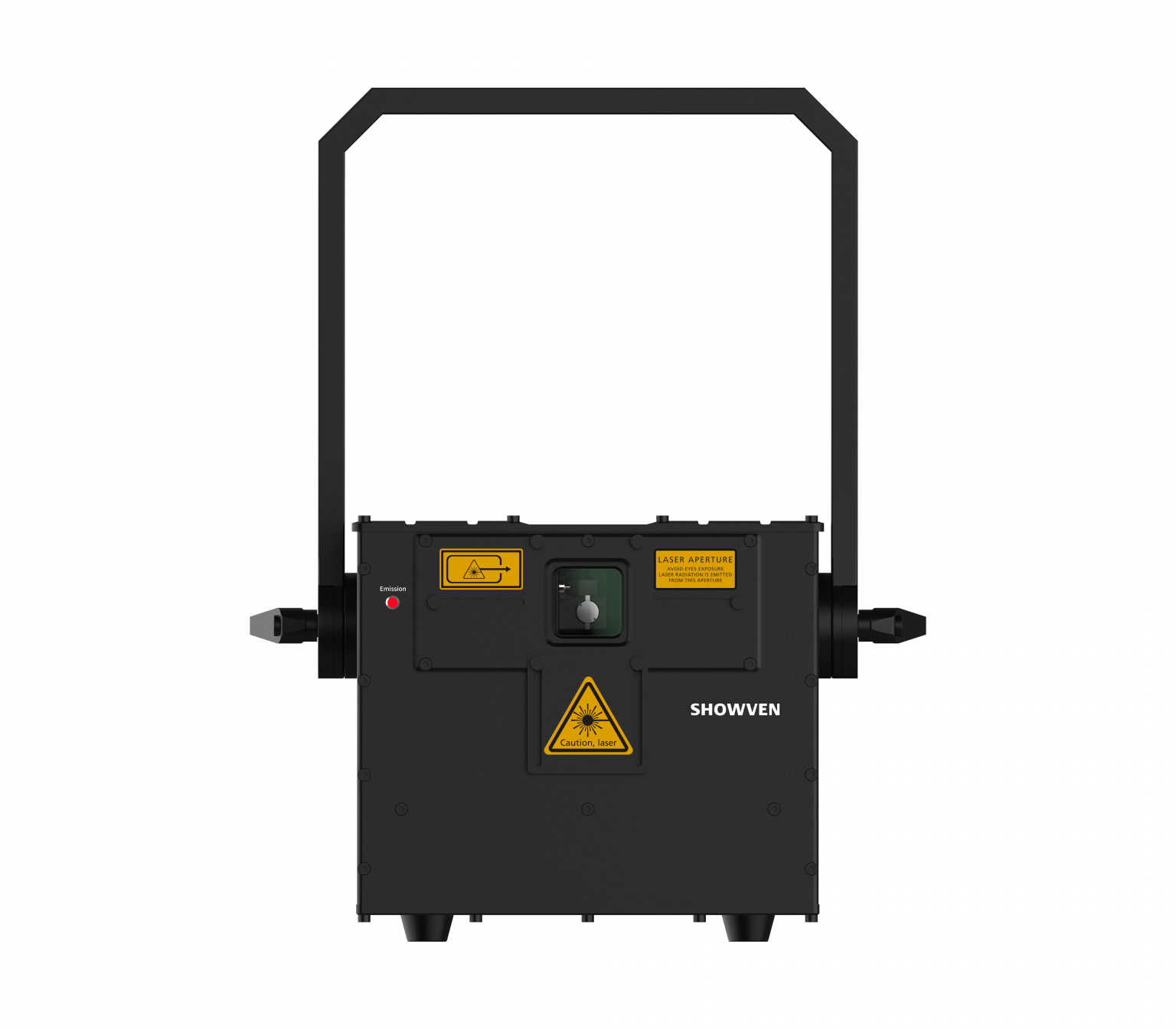
Compare old string lights and flood projectors with a tuned laser unit. Strings scatter light; lasers draw. Floods blast; lasers place. With low beam divergence, optical attenuation control, and real thermal management, modern projectors hold shape in fog and resist washout from nearby LEDs. You also get safer zones via scan-fail protection and firmware that shutters beams near the horizon line. The upshot? Fewer callbacks, tighter looks, and scenes that hold up on camera. To choose well, weigh results over hype: 1) Signal integrity under load (flicker, ripple, and latency across your rig); 2) Environmental resilience (true ingress protection, drainage, and materials, not labels); 3) Control precision (scanner accuracy, feedback loops, and recovery from faults). Compare these side by side, then decide—small choices change the whole night. Close the loop with solid practice, steady power, and a unit built for real streets, not just spec sheets. Brand-wise, explore options like Showven Laser when mapping your shortlist—context first, logo second.