
The problem that stops plants cold
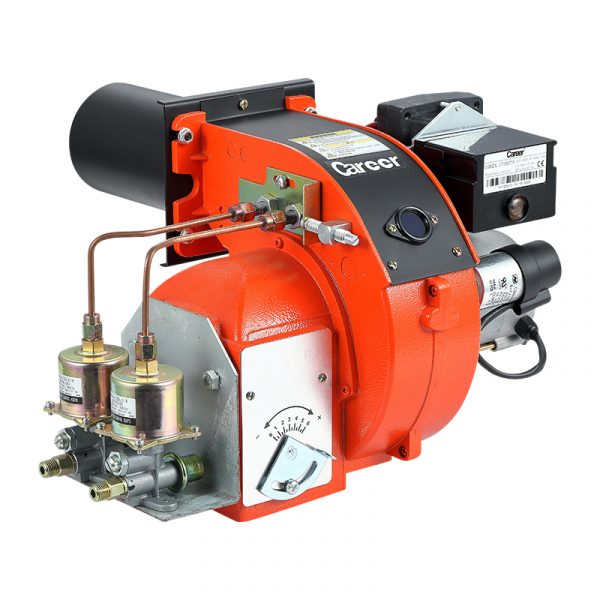
When boilers fail to meet NOx limits or reliability expectations, delivery timelines slip, permits get delayed, and local suppliers lose work. That domino effect starts with combustion: mismatched burners, poor fuel handling, or outdated controls. You can reduce that risk by choosing burners designed for lower emissions and stable operation—sometimes that means switching to a purpose-built methanol burner to match a new fuel strategy or regulatory requirement.

What actually goes wrong (and why low-NOx burners help)
High NOx often means flame temperatures or mixing profiles are off. Those conditions cause stack limits to be exceeded and force plants into curbed production or costly retrofits under tight timelines. Low-NOx burners attack the root: they control flame shape, reduce peak temperatures, and improve mixing so emissions drop while output stays steady. That’s a practical fix, not a theoretical one—better flame control keeps boilers online and keeps local orders flowing.
Common mistakes teams make when upgrading
Teams assume a replacement burner is a plug-and-play swap. It’s not. Mistakes: ignoring fuel properties, skipping control integration, undersizing turndown, and failing to plan maintenance access. Those oversights create new reliability problems and drag out commissioning. Expect deliberate tests: fuel sampling, control trials, and staged commissioning to avoid surprises.
Simple selection checklist you can use now
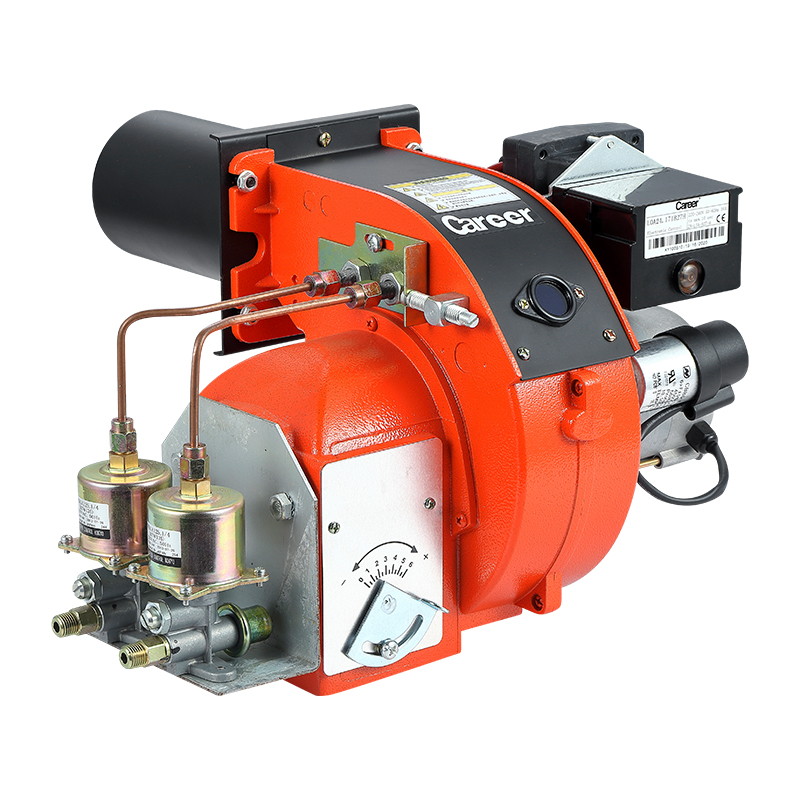
Start with measurable criteria. Confirm emission targets (mg/Nm3 or ppm), list acceptable fuels, check turndown ratio, demand vendor support for control integration, and require performance curves at the expected firing ranges. Ask for baseline tests and guarantees tied to emissions and turndown. Put operator training into the contract. These steps cut the chance of post-installation downtime that disrupts local suppliers.
Real-world anchor and practical authority
Regional industrial clusters are already adapting: operations around the Port of Rotterdam have focused on low-emission combustion to comply with local regulations and keep chemical and steam suppliers on schedule. Manufacturers and plant engineers who study retrofit cases recommend pairing burner upgrades with control-system tuning. For teams considering fuel shifts, investigating an industrial methanol burner can reveal whether the new fuel will help meet emission goals without hurting throughput. These are observations grounded in engineering practice and industry retrofit reports, not marketing copy.
Quick troubleshooting during and after installation
If emissions don’t fall as expected, check: burner alignment, air-fuel ratio sensors, flue-gas recirculation setup, and stack draft. If flames are unstable at low load, increase turndown or adjust staging. Don’t ignore routine tuning—small control tweaks after installation often eliminate the last 10–20% of excess NOx that causes compliance failures.
Wrap-up you can act on today
Fix the combustion problem first to protect schedules and suppliers. Use the checklist, avoid common mistakes, and validate performance with measured guarantees. A well-chosen low-NOx solution preserves output and keeps local supply chains reliable—just the outcome engineers and operators want when deadlines matter, and that’s what Career Burners focuses on delivering through practical design and support.