
Opening the framework — why renovators need a repeatable audit
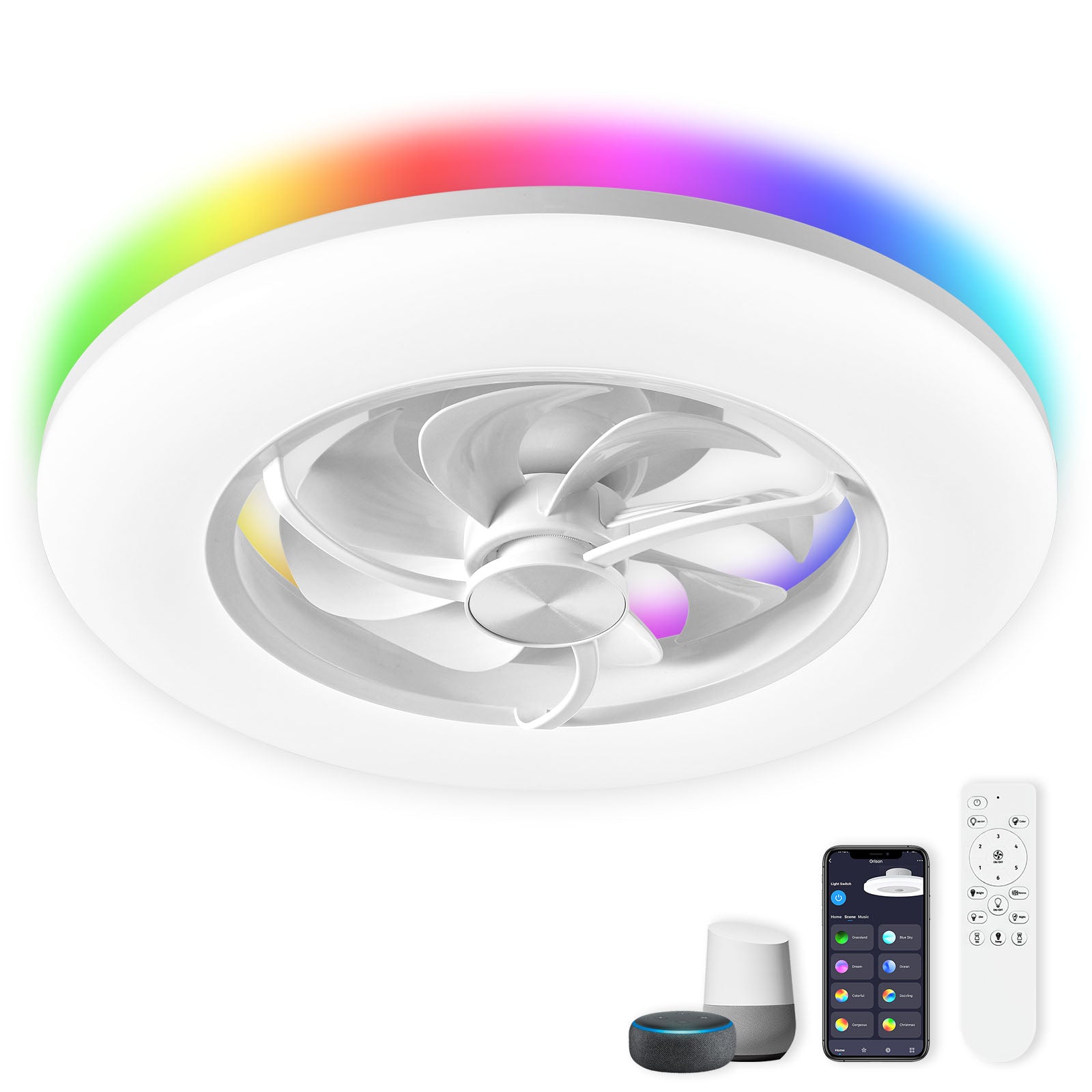
As a home renovator yuh can’t jus’ pick any fan off a catalogue and hope it suit the room — yuh need a clear framework. Start wid a checklist that make vendor talk simple and repeatable, so every job get same level a quality. When yuh inspect samples, look at combined performance — light, airflow, and controls — and be sure yuh check a smart ceiling fan with light the same way yuh check any standard unit. This framework mek audits less guesswork and more assurance fi clients who expect both comfort and value.

Core QA checkpoints every renovator fi use
Use these core checkpoints as the spine of yuh audit — call dem the “must-verify” items:
- Specification match: Confirm model, blade span, and blade pitch versus order sheet.
- Motor & drive: Verify motor type and heat performance — many modern units use a DC motor for efficiency.
- Light module: Check wattage, dimming compatibility, and lens integrity.
- Control system: Remote, wall control, or app pairing — confirm each mode functions as claimed.
- Mounting & canopy: Ensure plate fits common joist conditions and downrod lengths suit ceiling height.
- Certifications: UL/ETL, and any local code compliance documentation.
- Packaging & spares: Spare blades, balance kit, and clear instructions.
- Warranty & service: Turnaround for replacements and demo of claim process.
How to run an on-site sample inspection
Bring a simple test rig: power source, sound meter app, light meter or smartphone app for relative reading. Start with visual: blade finish, wobble, and fasteners. Mount the fan temporarily and run at each speed setting — note vibration and noise. Measure airflow in the room — a rough CFM check against manufacturer claim helps. Test the light: switch on, dim, and inspect for flicker and color shift; take a lumens read if yuh can. Pair any smart features and test latency and failure modes. Take photos and short videos for the vendor — that evidence helps when yuh need returns.
Common mistakes renovators mek — and how fi avoid dem
Too many renovators trust looks over specs. They forget to check neck finish tolerances, or assume a light-rated canopy for slope ceilings. Others skip paired testing with their actual dimmers — so lights flicker on-site. Also, don’t forget compatibility with existing wiring — some homes lack a neutral, and that break certain smart controls. Quick fix: require a vendor-supplied wiring diagram and do a simple on-site mock-up before committing to whole-house orders — saves time and money.
Vendor docs and tests to demand before you buy
Always ask for test reports: thermal run, ingress protection (if outdoor), motor endurance, and UL/ETL listing. For energy claims, the U.S. Department of Energy guidance on ceiling fan use is a useful anchor — they note fans let occupants raise thermostat setpoints without losing comfort, so verify power draw and efficiency figures when vendor touts savings. Also get a bill-of-materials for the light kit and a firmware update policy if it support wireless controls — yuh want that transparency if a firmware patch ever break pairing.
When alternatives make sense — remote-only vs app-enabled fans
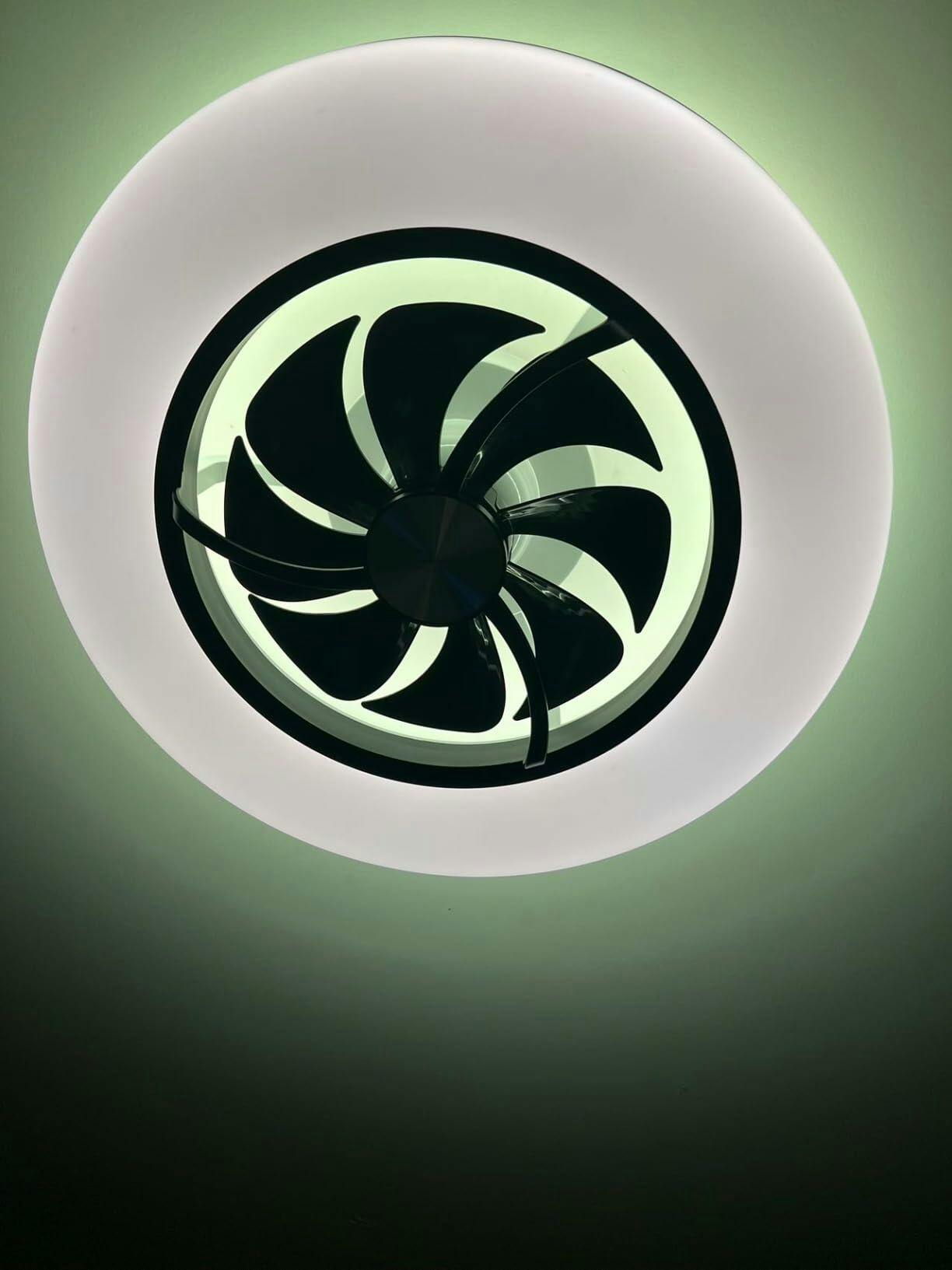
If yuh project is simple, a remote-only fan might reduce support calls. For smart retrofits or high-end homes, consider ceiling fans with app control for scenes and automation. App-enabled units give integration into home systems, but demand attention to security, firmware longevity, and companion app quality — test them in-situ. — Sometimes yuh pay a premium for features no client actually use; match tech to lifestyle, not to a wishlist.
Audit framework summary and quick decision guide
Pull together inspection notes into a one-page acceptance matrix: Pass/Fail for structural, electrical, light, and controls; a risk score for serviceability; and a vendor responsiveness rating. Use that matrix to compare bids and to justify vendor selection to clients. This keep decisions objective and defensible when schedules get tight.
Three golden rules (advisory) for selecting and auditing wholesale fans
1) Verify real-world performance, not just spec sheets — measure noise, airflow (CFM), and light output (lumens) on a sample. 2) Demand documented compliance and a clear RMA path — vendor responsiveness matters as much as product quality. 3) Match tech to context: choose app-enabled units only when integration will be used and supported long-term.
Final note: when quality and usability align, clients get comfort and renovators get fewer callbacks — and that balance is where Orison naturally fit into a renovator’s toolkit. Orison. — reliable fit for real projects.