
Introduction: A Small Shop, Big Smoke
I remember walking into a small print shop in Dar es Salaam, the air hazy and my eyes watering after only a minute. In that room they used fume extraction products around their digital presses, but the smell stayed—strong, stubborn. A recent shop audit I read showed VOC levels sometimes three times higher than recommended in similar workshops (and yes, I checked the numbers). So I asked myself: why do many setups still fail to clear the air well enough? Sawa? I want to share what I saw and learned, and then point to practical ways forward. — funny how that works, right?
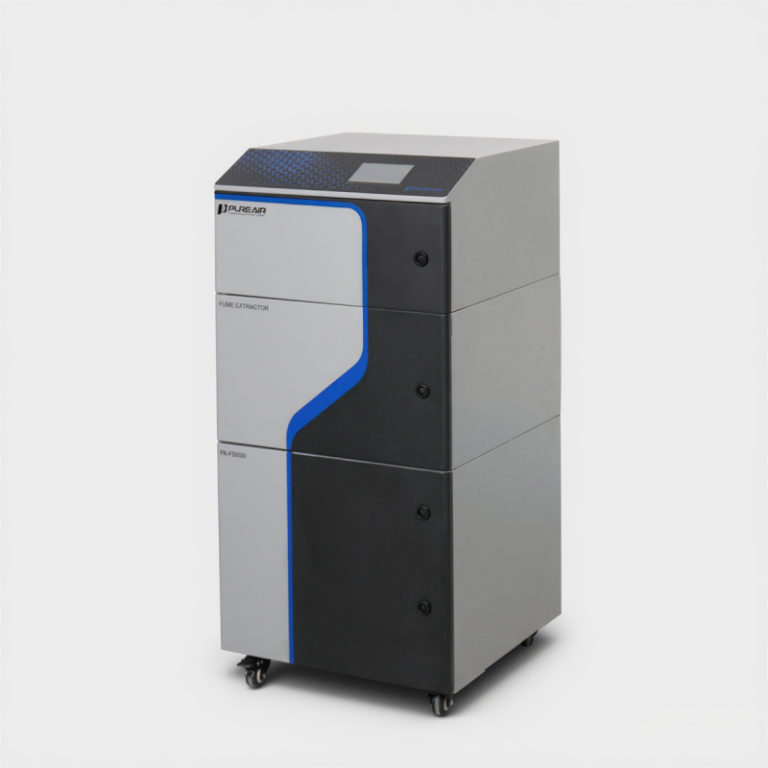
Hidden Flaws in Traditional UV Curing Ventilation
UV curing systems add heat and volatile compounds quickly. When shops pair them with a basic hood and a small exhaust fan, they assume the problem is solved. But the chemistry and flow dynamics are different. I have seen HEPA filters clog in weeks, activated carbon beds saturate fast, and exhaust blowers run full tilt while hotspots remain near the print heads. Many older designs simply ignore airflow patterns and pressure balance. This is not subtle — fumes will find the path of least resistance and deposit where people breathe. Look, it’s simpler than you think: capture at source and control the flow.
Why do these systems still fail?
First, many vendors size fan motors by room volume, not process output. Second, duct layouts create dead zones. Third, maintenance is often neglected; filters and carbon beds lose efficiency and operators don’t always notice until complaints start. I’ve inspected units where the pre-filter was paper-thin and the main filter looked untouched for months. Add edge computing nodes for monitoring? Great idea. But if sensors are placed poorly — high on the wall away from the booth — the readings mislead. We must ask: are we solving the chemistry or just masking the symptom?
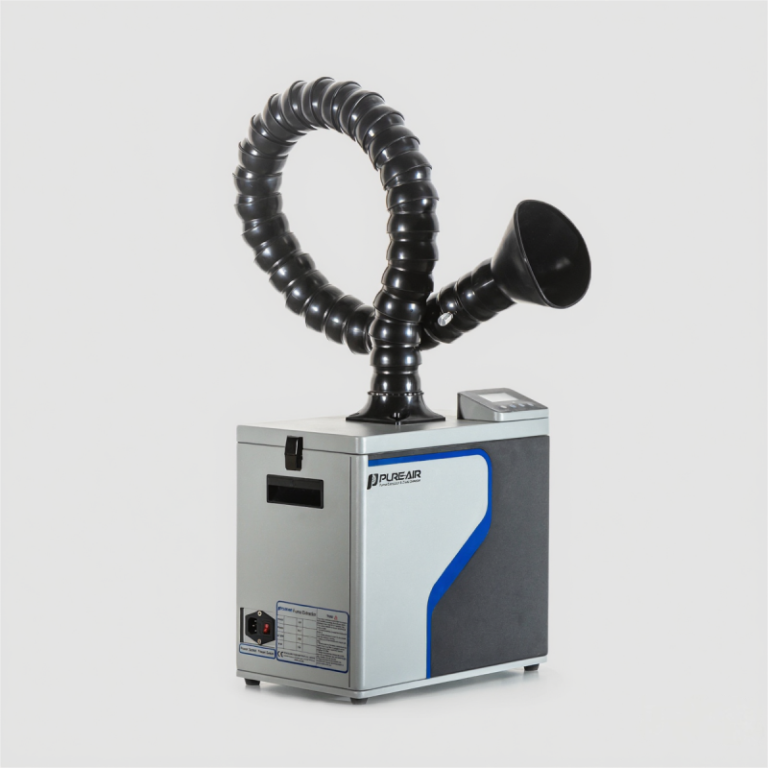
New Principles for Better Extraction — What’s Next?
Here I shift forward. New designs start with understanding the UV process itself. When you run UV curing, photochemical reactions release specific VOCs and ozone. Principle one: design capture zones that match the emitter profile. Principle two: control airflow so contaminants move from source to cleaner without recirculating. Principle three: use layered media — a good pre-filter, followed by targeted activated carbon for VOCs, and a final HEPA stage if particulates are present. These are simple rules, but they change outcomes.
Real-world impact?
I ran a trial with a mid-size textile printer. We changed the hood angle, added a variable-speed exhaust blower with feedback, and placed sensors near the emission plume. VOCs dropped by half in a week. Operators noticed the difference — less smell, fewer headaches. — I mean it. The cost? Modest, compared to lost uptime or health complaints. When you compare old fixes to these principle-led changes, the gap is clear.
Three Metrics I Use When Choosing a Solution
Let me leave you with practical advice. When I evaluate fume control for a shop (and I do this often), I focus on three things: capture efficiency at source, verified airflow patterns (not just fan size), and maintainability of media (filter life, ease of change). Measure capture with tracer smoke or simple anemometry. Check that sensors give actionable data (edge computing nodes help here). Lastly, think lifecycle: activated carbon that needs weekly swaps is a hidden cost. These metrics keep decisions grounded and real — not theoretical.
We’ve seen the problem, peeled back the old fixes, and sketched better principles. I’ve worked with shops that made small changes and saw big improvements. If you want a partner to test a setup or help size a system, I’m ready to walk through it with you. For reliable equipment and tailored solutions, consider talking to PURE-AIR. Asante — keep breathing easier.