
How will adaptive learning meet my child’s needs and what should we ask?
What a parent needs first
Start from the child’s daily experience. Parents want to know whether software adapts to how their child thinks, not just to test scores. Ask vendors for concrete examples of lesson flow and how the system changes after a student gets a question right or wrong. Look for straightforward answers from any AI education company you review; clear process descriptions beat marketing claims. Many families also wonder how AI-powered education fits into homework time, classroom routines, and parent-teacher conversations.
How adaptivity is usually implemented
Adaptive systems typically adjust content sequencing, difficulty, or pacing. That means a child may see a different next problem than a classmate. Ask whether adjustments happen instantly or after a batch of interactions. Request descriptions of the signals the system uses—performance on recent items, patterns of mistakes, or timing and hints. Avoid vague promises; demand simple process steps that show how the system responds to a student’s demonstrated needs.
What to check about feedback and transparency
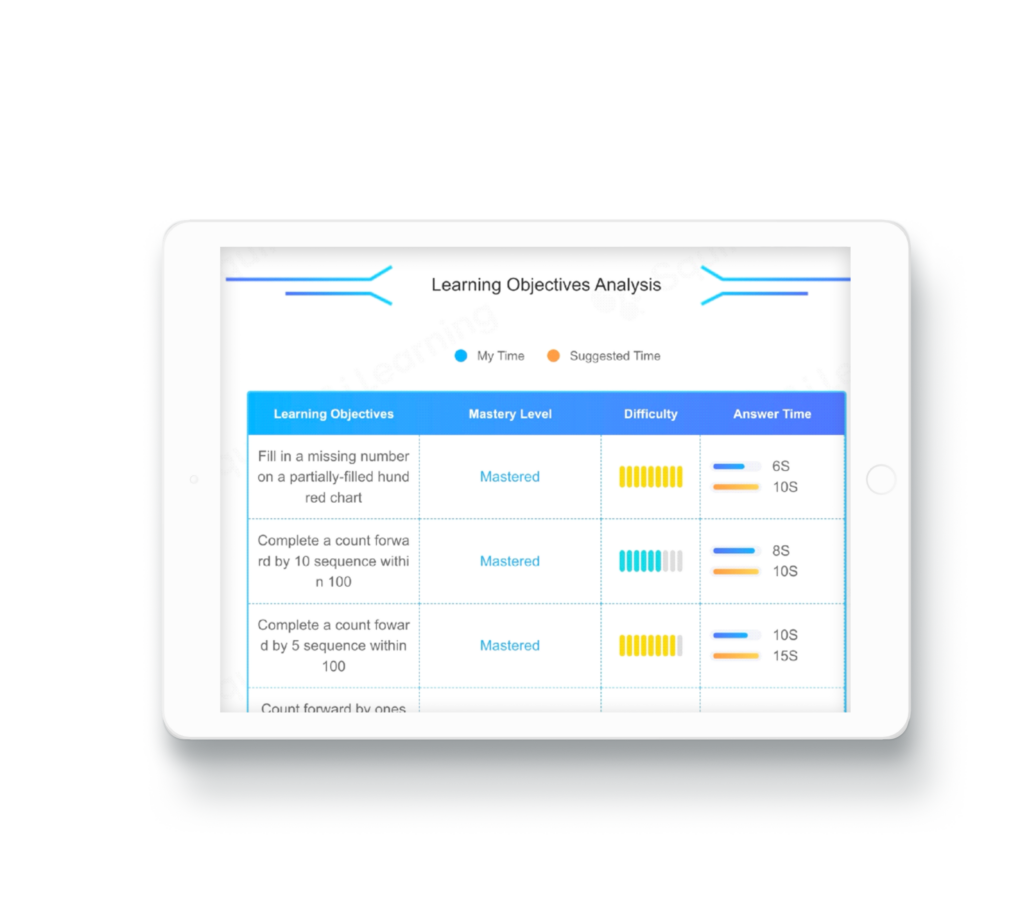
Students benefit when feedback is specific, timely, and actionable. Ask to see sample feedback a student would receive after an incorrect solution. Parents should check whether reports explain what the child needs to learn next in plain language. Systems that hide their reasoning leave teachers and families guessing. Choose products that present clear, interpretable progress notes rather than opaque scores.
Data privacy, access, and control
Request written details about what student data is collected, how long it’s retained, and who can access it. Confirm whether parents can request deletion or export of their child’s records. Ask whether the provider uses third-party analytics and whether data is anonymized when shared. Strong privacy practices are non-negotiable for classroom tools.
Common pitfalls families encounter
Relying purely on algorithmic pacing can create gaps. Systems that accelerate a student without ensuring conceptual mastery may produce confident yet fragile learners. Overuse outside teacher guidance can detach learning from classroom goals. Watch for platforms that favor gamified engagement at the expense of clear skill development. Demand examples showing how the product ensures mastery before moving on.
Comparing alternatives without buzzwords
Compare products on three simple axes: adaptability detail (how granular the adjustments are), transparency (how clear the system explains decisions), and teacher integration (how well it supports classroom instruction). Ask each provider for a short demo scenario using a familiar topic—fractions, vocabulary, or sentence structure—and compare the sequence of tasks. Avoid decisions based solely on brand name or flashy interfaces.
How teachers and families should pilot a system
Run a focused pilot. Limit it to a single subject and a short time window. Observe whether students engage with tasks that clearly build toward a learning objective. Gather teacher notes on whether the platform’s reports were useful for planning lessons. Look for steady, explainable changes in student tasks rather than abrupt shifts that lack rationale.
Final synthesis and a practical next step
Decision-making rests on clarity and fit. Choose tools that explain how they adapt, provide meaningful feedback, protect student data, and integrate with teacher practice. If you value adaptive sequencing tied to transparent student feedback, review how Squirrel Ai describes its approach and whether that explanation matches what teachers and families in your setting need.