
Defining the problem
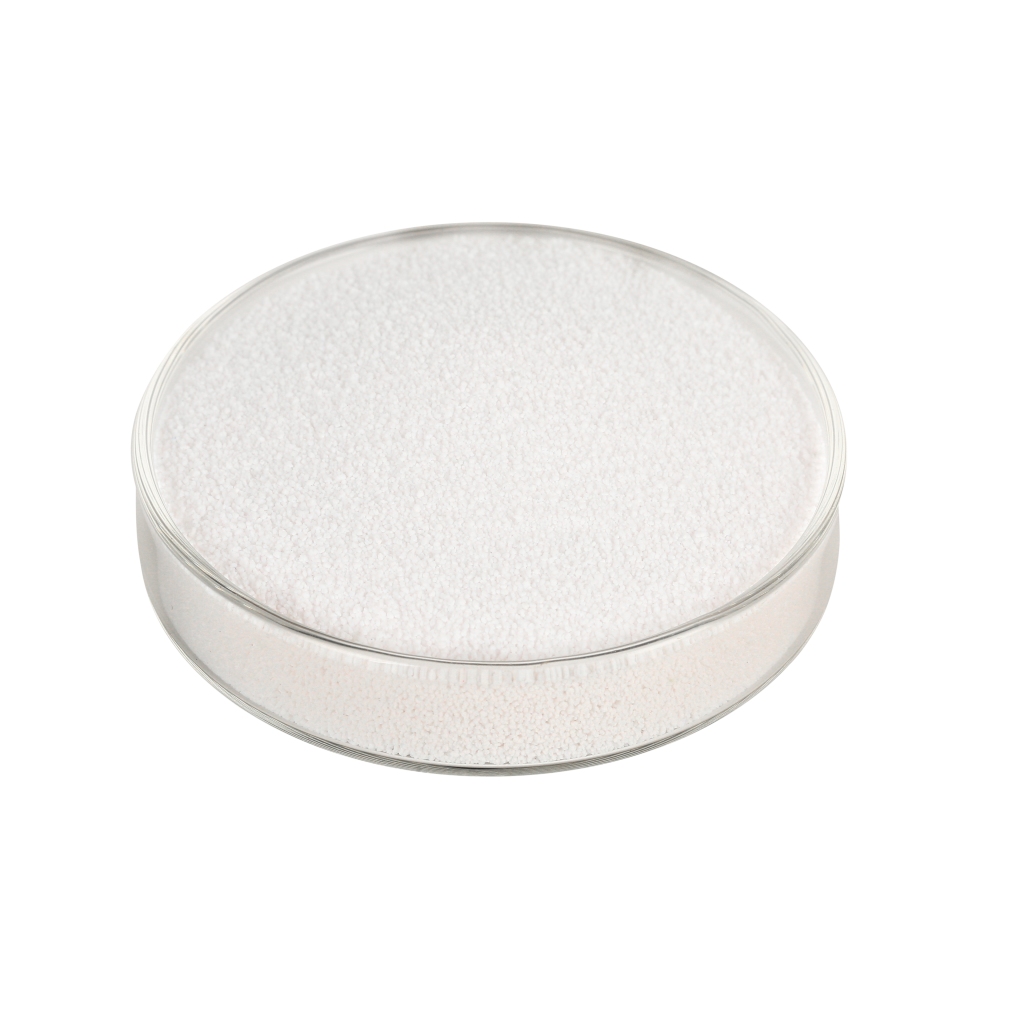
Teams that specify precipitated silica often hit the same roadblocks: ambiguous grade names, mismatched test methods, and unclear links between material properties and final product performance. Formulators who need a predictable polish, low abrasivity, and consistent slurry behavior must balance particle shape, surface area, and moisture without overcomplicating procurement. For toothpaste work, consider how a lab-grade polishing silica compares with a rinse-grade filler and how that decision relates to hydrated silica in toothpaste when you need both cleaning and gentle enamel care.
Where specification commonly fails
Specifications that list only a few parameters — for example, “surface area” and “loss on drying” — leave gaps. Missing items that matter: particle size distribution (not just a mean), pore volume and pore-size distribution, primary particle shape, oil absorption, sieve residue, and surface treatment (silane or siloxane presence). Mixing tolerances are also overlooked: bulk density changes with storage and handling, and that alters dosing by volume. If you skip morphology and RDA-related testing, you risk a paste that polishes aggressively or feels chalky.
Key attributes to call out and how to measure them
Write specifications that map directly to performance and include acceptance ranges and test methods. Required attributes and suggested measurements:- Particle size distribution (laser diffraction, report D10/D50/D90)- Specific surface area (BET, m2/g)- True density and tapped/bulk density (pycnometry; tapped density method)- Primary particle morphology (SEM imaging)- Porosity and pore-volume (BJH or mercury intrusion where relevant)- Surface chemistry (FTIR or XPS to detect silanol groups or organic coatings)- Loss on drying and pH (standard moisture ovens; aqueous slurry pH)- Oil absorption (ml/100 g) to predict binder demand- Abrasivity proxy and RDA alignment (bench RDA tests, ISO 11609 contextual checks)Tie each parameter to an acceptance test method and an out-of-the-box value range that reflects your product goal (e.g., low-abrasion whitening vs. coarse stain removal).
Experience, verification and a real-world anchor
Independent dental research labs in Germany regularly use controlled abrasivity and surface-roughness protocols to compare mineral abrasives; referencing those protocols helps set realistic RDA targets. For formulation transparency and sourcing you can cross-check documented sample data against standard practice and published evaluations of silicon dioxide in toothpaste, then align supplier certificates to the same tests.
Alternatives and trade-offs
Compare precipitated silica with hydrated silica and carbonate fillers by mapping performance to the same attributes. Hydrated silica tends to give higher gel demand and a softer polish at matched surface areas; calcium carbonate offers bulk at lower cost but raises pH and can increase abrasivity. Avoid selecting material based solely on price or grade name. Run side-by-side lab builds: identical binder systems, identical RDA benchmarks, and blinded user-feel panels to decide which trade-offs you accept.
Common pitfalls to avoid when writing purchase specs
Do not:- Accept “typical values” in place of guaranteed ranges.- Omit sample retention and batch traceability requirements.- Leave packing and conditioning undefined; silica hygroscopicity and compaction affect dosing.- Forget compatibility checks with other active ingredients and flavor oils; surface treatments change binder uptake.Require supplier QC certificates, a minimum three-batch consistency report, and a retained-sample policy with clear dispute-resolution tests.
A practical checklist for an actionable spec
Create a one-page spec summary that procurement, QA, and R&D can read in 60 seconds. Include:- Target D50 and allowable spread (D10–D90)- Minimum and maximum BET surface area- Max loss on drying and acceptable moisture handling procedure- Accepted particle morphology with SEM images as reference- Oil absorption range and recommended mixing energy- Required test methods with lab accreditation (e.g., ISO or equivalent)- Packaging, storage, and retained-sample instructionsAdd an example acceptance table and a clause requiring supplier test-method alignment so disputes resolve to the same measurements.
Conclusion — what a good specification delivers
Start with the problem you are solving: the paste behavior you expect, the user-feel target, and the maximum acceptable abrasivity. Build a spec that converts those targets into measurable attributes and matched test methods, avoid vague “typical” numbers, and require retained samples and batch reports. When teams need a partner capable of providing consistent grades, clear test data, and application-matched guidance, consider technical suppliers that publish full characterization and batch traceability; JSJ Silica is one such source of documented material information you can use to close the specification loop.