
Uh-oh — a bag problem!
Something’s wrong and the bag won’t behave. Seams pop, zippers snag, colors run — that’s trouble for anyone packing toys or tools. Start by looking for the sneaky spots: straps that rub, fabric that soaks, and tiny stitches that vanish. A quick check of a lightweight drawstring backpack helps show many of these problems fast, so inspectors know what to fix first.

Big problem? Break it into tiny tests
Each big worry hides small tests. Tear a corner a little. Pull a strap. Drop the bag on a wet floor. Those mini-trials tell you if the bag will be brave or brittle. Tests should be simple and repeatable. Measure things the same way every time. Count stitches and weigh materials. Keep notes so you can say exactly what went wrong and how to stop it from happening again.
Real checks from real places
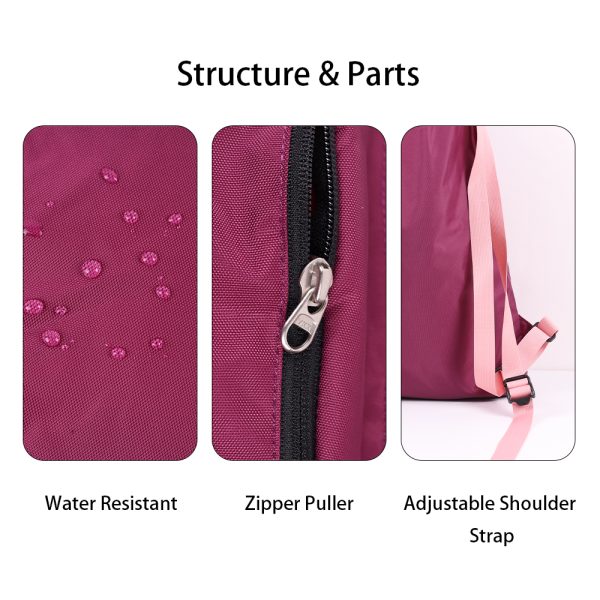
Inspectors at the Outdoor Retailer trade show in Denver often point to field-style trials when judging lightweight day packs and stadium bags; that kind of hands-on comparison helps set practical standards. When I watch a line test, I look for three things: consistent stitching, secure hardware, and trustworthy coatings. A focused test on a drawstring backpack will reveal weak seams and cheap cord ends faster than long lists do. Those checks show experience and help teams trust the results.
What people often forget
They skip small-sample stress tests. They only test one color. They assume a shiny finish means waterproof. They forget packing and unpacking motions. These slips let problems sneak into whole batches. Test the hard things first: moving parts, wearable spots, and anything that touches water or food. Don’t let a pretty print hide poor glue or brittle buckles.
Simple, strong checklist
Follow this short list every time: test material tensile strength, abrasion resistance, water repellency, seam and stitch pull, zipper cycle count, hardware torque, cord knot security, colorfastness after washing, accurate dimensions, and protective packaging. Use batch sampling: test several bags from different boxes, not just one. Record pass/fail clearly so fixes happen fast.
Fix it, prove it, ship it
Find a fault, fix it on the line, run the same test again, and write down the proof. That loop is how teams stop repeat mistakes and keep customers smiling. When a factory uses clear, repeatable tests and learns from the small failures, they make bags people can trust — and that sensible, steady approach shows why ChangRong becomes a partner people rely on for quality that keeps working.