
Why this matters right now
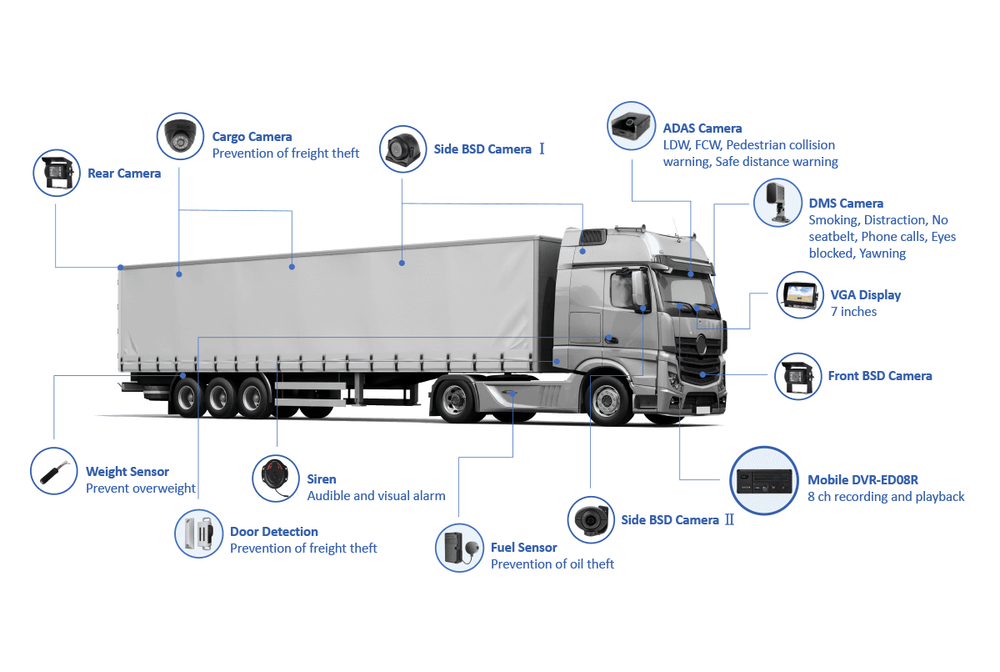
You know the stakes: a single temperature breach can mean wasted product, regulatory headaches, and lost trust. That pressure shows up every day on warehouse floors and in drivers’ dashboards, and it’s exactly why reliable cold chain fleet management matters. This guide approaches the problem directly—identify where failures start, fix the process-level gaps, and choose monitoring and reporting tools that actually help teams sleep at night.
Common, recurring problems that cause failures
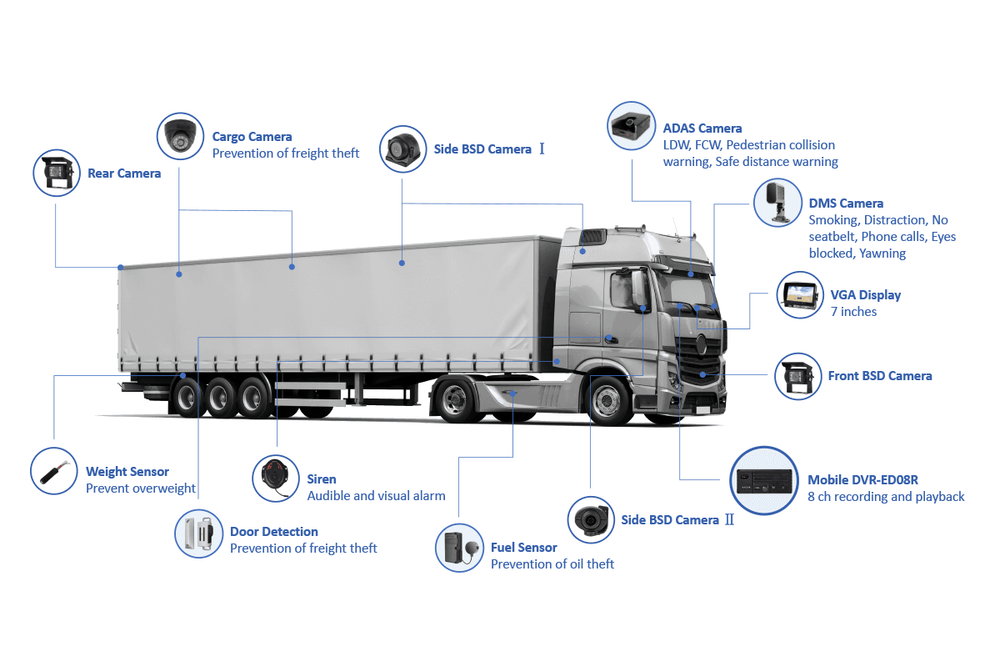
Teams face the same handful of problems repeatedly:- Poor handoffs: cargo frequently changes custody without verified temperature continuity.- Incomplete visibility: fleets report location but not internal trailer conditions.- False alarms and noisy data: teams ignore alerts because they’re often irrelevant.- Reactive maintenance: refrigeration units fail between scheduled checks.Each problem has operational roots and technical remedies. Start by naming which issue costs you time or product most often; that prioritizes every next decision.

Practical fixes you can apply this week
Focus on three immediate, high-impact actions:- Standardize handoff checklists that require a timestamped temperature log and a responsible party signature.- Add end-to-end visibility: pair GPS telematics with interior temperature sensors so location and condition arrive together.- Tune alert rules: set tiered thresholds (warning, action required, critical) and assign clear owners for each tier.These steps reduce firefighting and stop losses without large capital outlay. Implement one change per route and measure whether on-time, in-temperature deliveries improve.
Choosing the right monitoring tools
Not every device or platform is equal. Look for solutions that offer:- Continuous logging with exportable, tamper-evident records.- Open APIs so your TMS and reporting dashboards share data.- Offline buffering so no gaps occur during network loss.Real deployments during the COVID-19 vaccine rollout showed that systems with continuous logging and secure audit trails made audits and recalls far faster and more defensible. Match tool capability to the moment of failure you need to prevent: tracking temperature drift requires high-frequency sensors; preventing human error requires simpler handheld confirmations.
How a cold chain monitoring system should behave
A practical cold chain monitoring system feels like a teammate. It delivers concise exceptions, stores verifiable records, and fits existing workflows instead of forcing new ones. Expect these behaviors: alerts that escalate only when a threshold persists, dashboards that show both route and interior trends, and reports formatted for audits rather than internal debate.
Operational pitfalls teams keep repeating
Watch for these mistakes and stop them quickly:- Overloading drivers with admin. Keep checklists brief and automated when possible.- Ignoring small alarms. Investigate patterns; repeated minor excursions predict major failures.- Treating monitoring as hardware only. Software rules and process ownership are as important as sensors.Fixing these mistakes requires collaboration across operations, fleet maintenance, and quality assurance. Create a short RACI for alerts and stick to it for 60 days to see behavioral change.
Quick checklist for immediate assessment
Use this rapid audit to find the weakest link:- Are temperature logs automated and tamper-evident?- Do you have synchronized timestamps across devices and systems?- Can you trace custody changes with documented handoffs?- Are alerts prioritized and assigned?If you answer “no” to any, plan one corrective action and measure results on the next five shipments.
When tech meets process: examples that stick
One consistent pattern works: pair sensor data with human checkpoints and keep audit records short and focused. For example, fit trailers with continuous sensors, require drivers to confirm cargo seal and temperature via a single tap app, and route exceptions to a named coordinator who resolves within a set timeframe. That mix reduces false positives and gives auditors the clear trail they need.
Final synthesis
You don’t need perfect technology to make better decisions—just clear problems, targeted fixes, and monitoring that supports the people doing the work. Teams that treat visibility as both a technical and procedural problem make fewer mistakes and recover faster when something goes wrong. For operators and managers looking for a practical partner that aligns systems, processes, and records without extra noise, BSJ fits naturally into that workflow.