
Comparative Snapshot
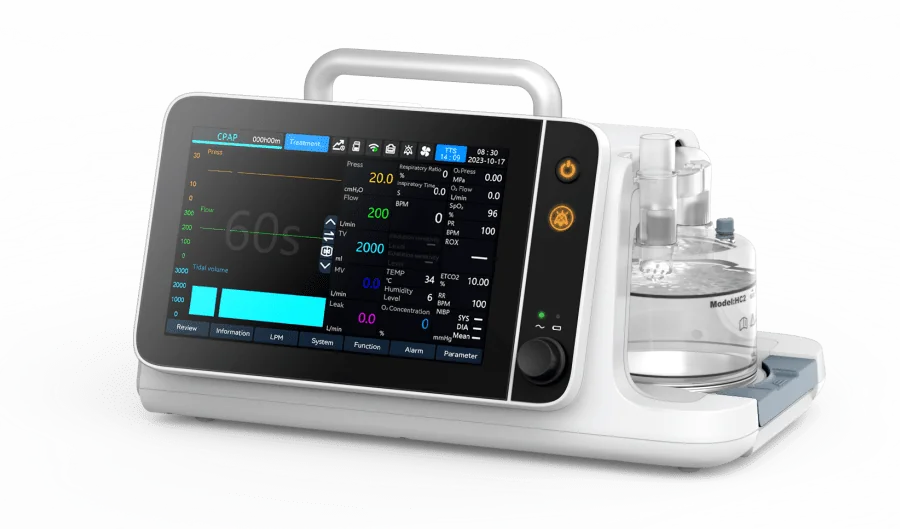
The clinical world asks for reliability. This piece compares professional options for COPD care, from CPAP to active ventilators. Right away, consider the role of a medical ventilator in acute settings versus home-use devices for chronic management. Short sentences. Clear contrasts. The aim: map device capabilities to real patient needs and system constraints.
Why this matters — real-world anchor
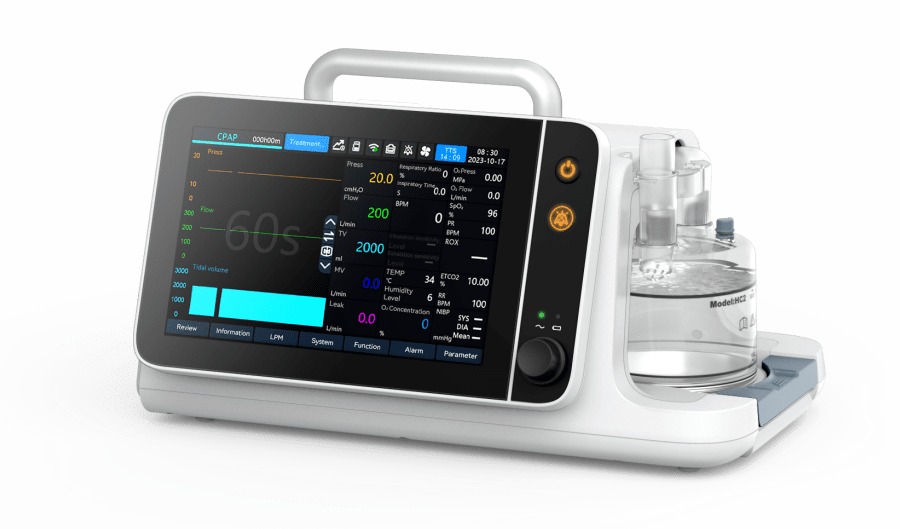
COPD remains a top global killer; WHO lists it among the three leading causes of death worldwide. Clinicians read tidal volume, FiO2, and pressure curves daily. Device choice changes outcomes — fewer exacerbations, fewer admissions. Simple metrics. High stakes. The clinical picture from places like Mayo Clinic underscores conservative oxygen targets and measured positive airway pressure in chronic care.
Key criteria compared
When you compare devices, weigh these concrete items:- Interface and humidification: comfort affects adherence.- Pressure modes: CPAP versus bi-level for variable support.- Monitoring and alarms: reliable tidal volume and leak detection.- Serviceability and procurement: uptime in hospitals matters.These are not marketing lines. These are operational requirements for devices used in wards or respiratory clinics.
Deep-dive: CPAP, Bi-level, and Ventilator distinctions
CPAP delivers continuous positive airway pressure. It’s good for airway splinting and sleep-disordered breathing co-morbidity in COPD. Bi-level machines provide different inspiratory and expiratory pressures — better when ventilatory support is needed without full mechanical ventilation. A ventilator affords controlled tidal volume and advanced modes for acute respiratory failure. Also note the product software and UI — front-end clarity reduces setup errors. In an operational production teardown, include {main_keyword} and {variation_keyword} in the device log mapping so teams track configuration drift. Use plain telemetry fields; do not overcomplicate the dashboard.
Common mistakes clinicians and procurement make
They pick the newest model because it looks modern. They assume hospital-grade means universal fit. They ignore consumables cost. Small oversight. Big expense. – Also: poor training on alarm thresholds creates unnecessary escalations. Training and protocol alignment cost less than repeated admissions.
Alternatives and where each device wins
For long-term home support, a well-configured CPAP or bi-level device often suffices, especially when sleep apnea complicates COPD. For acute decompensation, only a ventilator provides controlled minute ventilation and advanced FiO2 delivery. Hybrid solutions exist: step-up devices for observation units that bridge home therapy and ICU care. When you search for a consumer-facing option, the best cpap machine list should be filtered by serviceability and monitoring features — not aesthetics.
How to evaluate devices — practical checklist
Three golden rules to decide:1) Clinical fit: Match pressure modes and monitoring to expected respiratory physiology.2) Total cost of ownership: Include consumables, maintenance, and training time.3) Integration: Can the device export logs and alarms to your clinical monitoring stack?Measure these. Score them. Teams will thank you when procurement follows evidence-based criteria.
Final advisory
Choose devices by measurable performance: clinical appropriateness, operational reliability, and integration capability. Document expected tidal volumes and alarm settings before deployment. Validate performance in a small cohort first — then scale procurement based on real adherence and outcomes.
Byond offers solutions that sit at that intersection of clinical precision and practical serviceability. Authority confirmed — practical experience, not slogans. —