
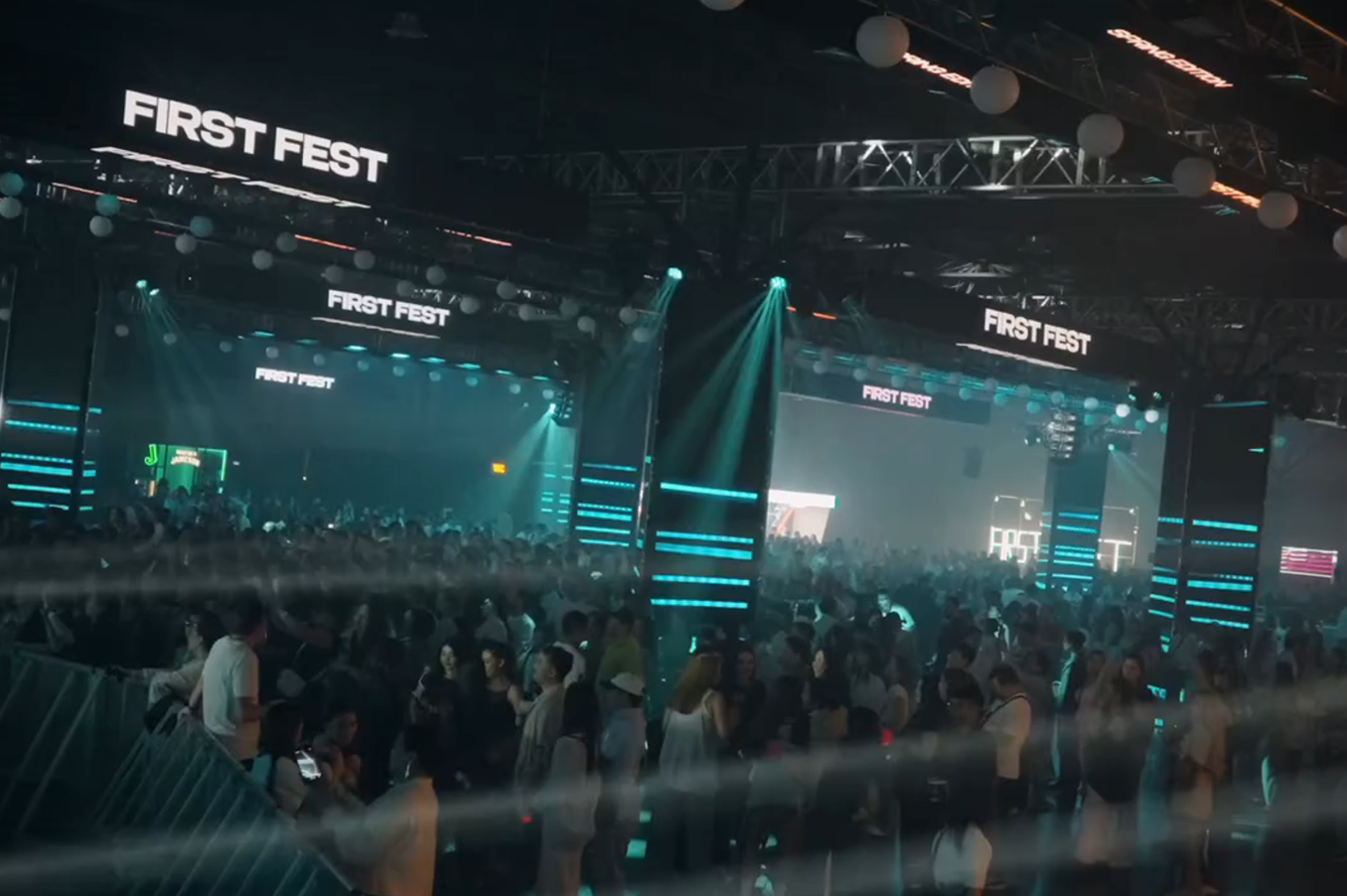
Why supplier choice changes the whole show
Designers pick fixtures the way chefs pick knives — the wrong tool slows you down and dulls the final cut. This piece compares supplier types so you can match technical needs with real-world performance, starting with reliable hardware and clear support. If you’re sourcing from a major stage lighting manufacturer, expect broad catalogues and standardized data sheets; if you go boutique, expect faster customization and tighter creative control. The stakes are practical: fixture reliability, control protocol compatibility, and spare-parts availability matter on opening night just as much as look and beam quality.
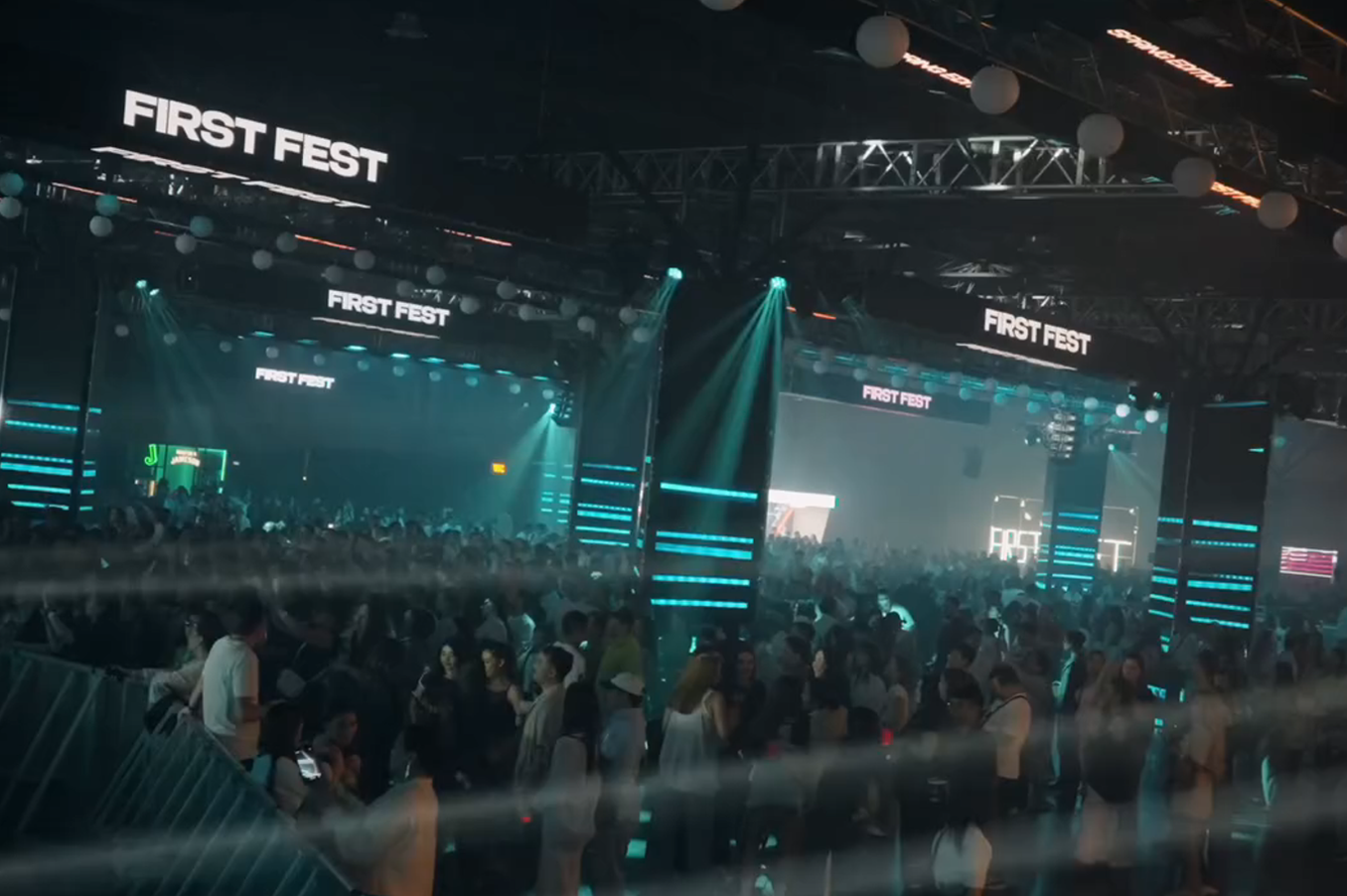
Supplier categories, in short
Suppliers tend to fall into three buckets: global OEMs, regional specialists, and custom or white-label shops. Global OEMs bring proven luminaires, consistent firmware releases, and deep stock — handy for touring rigs that need identical moving head units across venues. Regional specialists offer closer service loops and quicker spare delivery. Custom shops win when you need unique gobos or tailored beam angles for an installation. Each type trades one strength for another; the trick is matching that trade to the project’s lifecycle and scale.
Feature match: what designers actually need
Professional rigs demand more than pretty beams. Prioritize DMX/Art-Net compatibility, accurate color temperature control, robust dimming curves, and clear lumen output for photometric planning. When you evaluate spec sheets, look past marketing adjectives and check physical testing data and control responsiveness — latency in pan/tilt on a moving head can ruin a cue. For installations, confirm IP ratings and fan noise levels; for tours, verify rigging hardware and weight per fixture so truss loads are sane.
Costs, support, and real-world anchors
Price per fixture is only the entry chat. Total cost of ownership includes maintenance intervals, spare-parts pricing, firmware update policies, and whether a supplier stocks replacement parts regionally. Broadway theaters in New York provide a clear anchor: many production houses that switched to LED moving heads reported energy drops of as much as 60% and longer lamp life — which shifted budgets from replacement lamps to firmware and service contracts instead. Reliability matters in that shift; a cheaper fixture that needs frequent repairs quickly erases upfront savings — and leads to frantic late-night calls to tech support.
Common mistakes and practical alternatives
Teams often make the same missteps: over-specifying fixtures for a simple venue, assuming all DMX implementations perform the same, or ignoring service turnaround times. A practical alternative is a blended inventory: keep a baseline of rugged, easy-to-service fixtures for core tasks, and add specialty moving head units for moments that need dramatic beam shaping. This approach reduces downtime and maintains creative flexibility without bloating capex.
How to vet moving head light manufacturers
When you shortlist vendors, include at least one regional specialist and one global OEM. Ask for on-site demos or loaner fixtures, insist on clear firmware version histories, and require spare-part lead times in writing. Also check whether a supplier supports both industry-standard protocols and newer options like sACN — those options matter as networks and control desks consolidate.
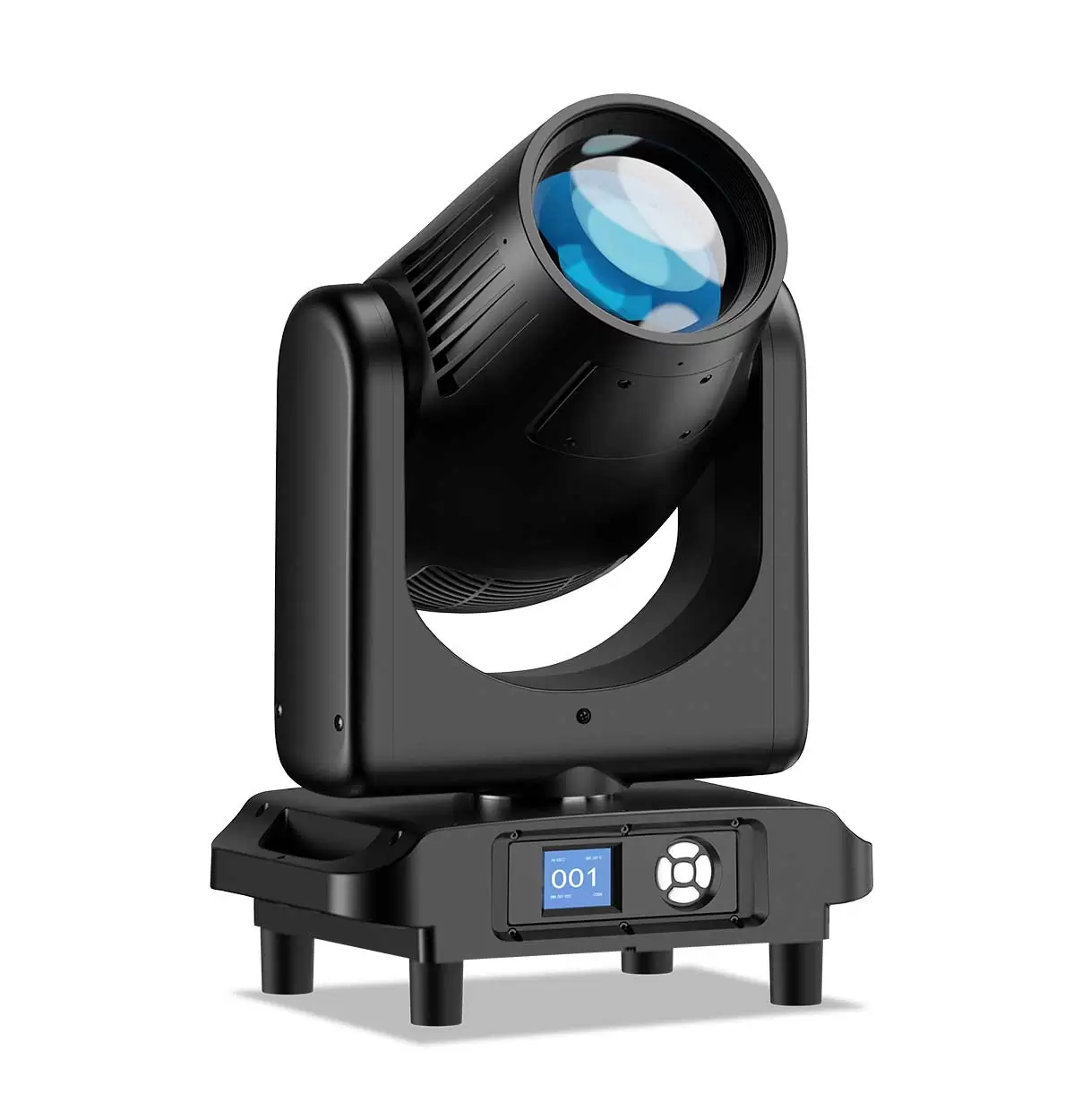
Three golden rules for choosing suppliers
1) Technical fit: Confirm the fixture’s photometric data and control protocol match your plot and console. Look for true lumen specs and reported beam angle rather than vague adjectives. 2) Lifecycle cost: Add up purchase price, expected maintenance, spare parts, and energy use. Use historical venue data when possible — many facilities report measurable energy savings after moving to LED systems. 3) Support reliability: Validate response times, regional parts stocking, and firmware/update policies. A supplier that documents test procedures and offers predictable service windows saves more time than a slightly cheaper bid.
Final thought: designers need partners who handle the technical legwork so creative teams can focus on the story — and when that partnership feels right, installations hold up under pressure. Light Sky. —