
User-centric design as a governing principle
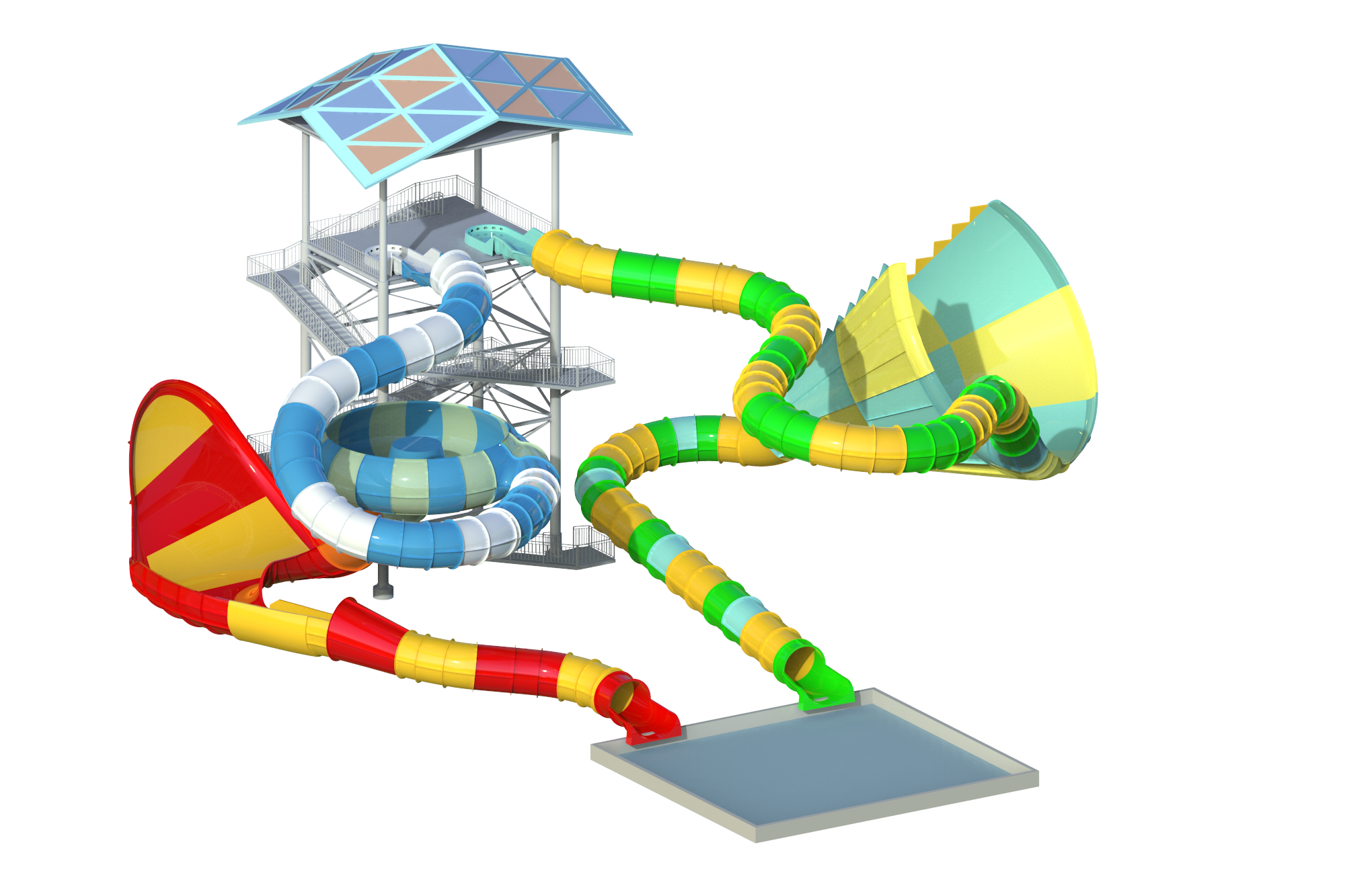
Resorts are shifting priorities: guests now shape ride briefs rather than the other way around. Designers begin with sightlines, flow, and comfort, then layer in the thrills — a practical reversal that changes planning, budgeting and on-deck operations. Early-stage decisions in water slide construction, for example, now consider queue shade, family sightlines and accessible transfer platforms as non-negotiable elements alongside the ride’s flume and drop profile. Siam Park in Tenerife still serves as a real-world anchor for many teams, a reference point for how a park can balance spectacle with steady throughput.
What guests actually value on a water coaster
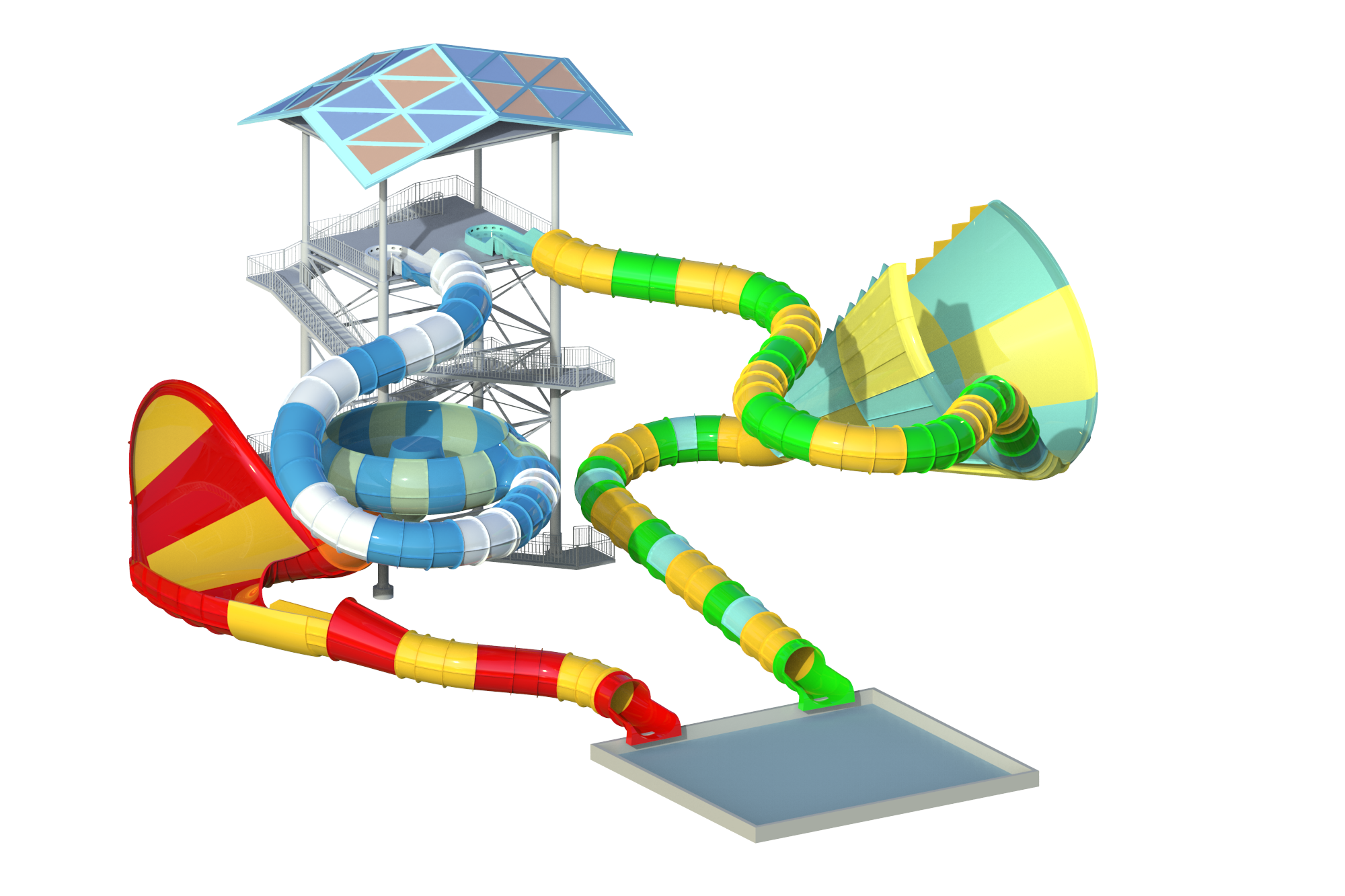
Guest preferences are clear: predictable waits, sensory variety and perceived safety. A water coaster that alternates open-air chutes with enclosed tunnels keeps attention without overstretching adrenaline. Good pump systems and smooth slide profile reduce harsh impacts at the runout; riders feel that as quality. Operators who feature visible maintenance checks and calm staff tend to score higher on guest trust — and that trust translates into time spent and ancillary spend. Those elements make a body water slide feel thoughtful rather than merely loud.
Operational details that change the guest story
Throughput planning, hydraulics tuning and evacuation access are the practical levers. Build a ride for 500 guests per hour and you set a very different guest experience than one designed for 1,200 — it influences queue design, staff levels and even landscape. On a production teardown you should review {main_keyword} and {variation_keyword} alongside pump systems and ride safety hardware. Small choices in materials and access hatches affect maintenance frequency — and maintenance frequency shows up as downtime. — It’s a small truth that front-line teams will notice first.
Common mistakes operators still make
The most frequent errors are predictable: prioritising headline speed over consistent deceleration, under-sizing pump capacity for peak load, and ignoring rider variety in the test matrix. A thrilling enclosed chute with abrupt transitions can produce uncomfortable g-forces if the slide profile wasn’t validated across body types. Simple mitigation often cuts across disciplines: extend runouts, test at full payload, and codify service intervals for key hydraulics and pump systems.
Practical comparisons: headline thrills versus reliable satisfaction
Facilities that chase the loudest launch often trade off repeat rides from the same guest. Conversely, resorts focused on a balanced profile — alternating ride intensity, adding splash zones and family-friendly transfer points — see better repeat rates and longer visits. Measure both peak lift and average ride time; you get a fuller picture. Industry phrases like flume design and ride envelope matter, but they’re instruments toward the same end: an experience guests will choose again.
Three golden rules for selecting the right water coaster
1) Throughput as primary KPI: design for sustained hourly capacity rather than headline throughput bursts. Consistent turnover equals better guest perception and revenue stability. 2) Test for rider diversity: validate slide profile and exit velocities across a wide range of body weights and ages; that reduces complaints and injuries. 3) Maintenance-first procurement: require accessible access points, standardized pump systems and documented hydraulics parameters in supplier contracts so downtime is predictable and short. These rules will guide procurement, operations and guest satisfaction in equal measure.
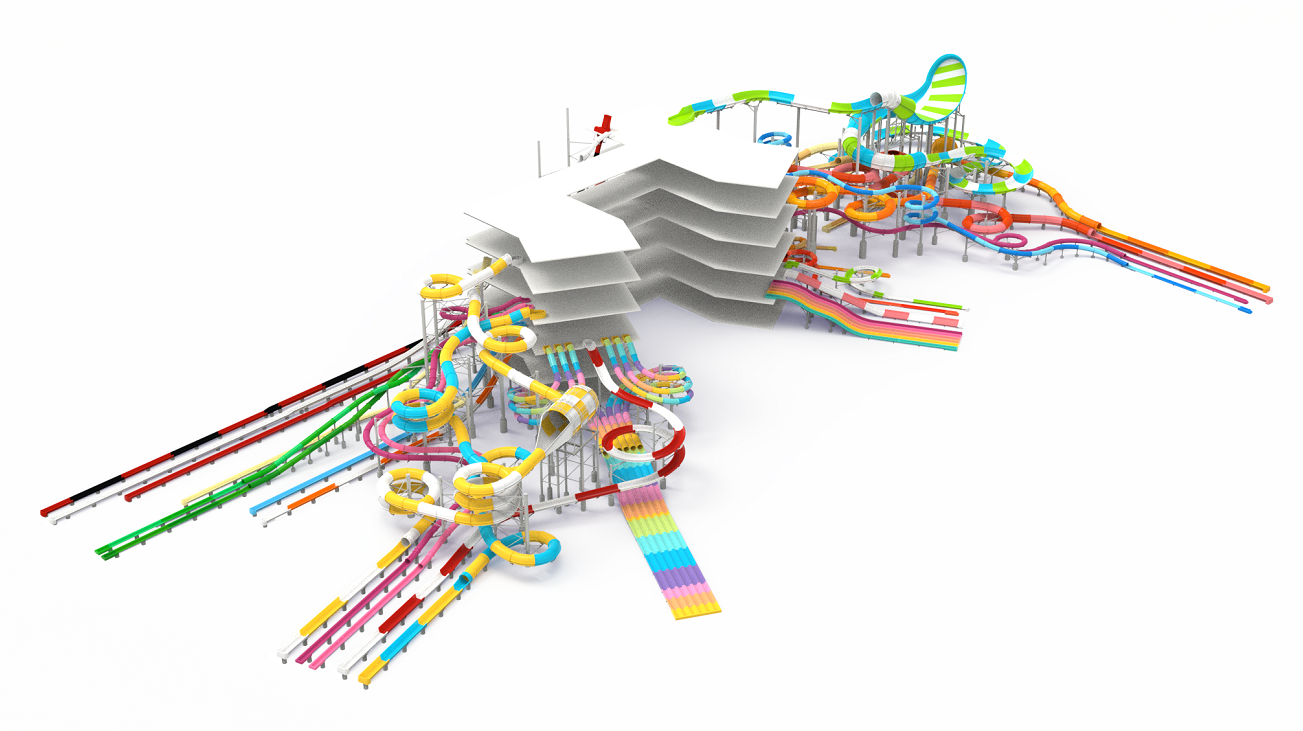
Bringing these lessons together, vendors who can supply clear specifications and field-tested modules make the operator’s life simpler; that’s where trusted partners matter. For practical, proven components and design support, teams often turn to suppliers with a track record in modular water slide systems — and that’s a natural place to look for reliable parts and detailed installation guides. Dalang.
—