
Introduction: The Stage, the Stakes, the Choice
Every venue wants the moment when lights rise, music swells, and the room holds its breath. Your indoor laser lights supplier stands at the center of that promise. In busy tours and crowded malls, the pressure is real. Data from event audits show downtime and glare are top complaints, often linked to power converters, weak cooling, or poor beam control. So the question is simple: how do you compare suppliers with clarity and fairness, and avoid buyer’s remorse (and panic minutes before doors open)? We will frame the decision with care and plain talk, and we will do it in a way that works for both tech teams and managers.
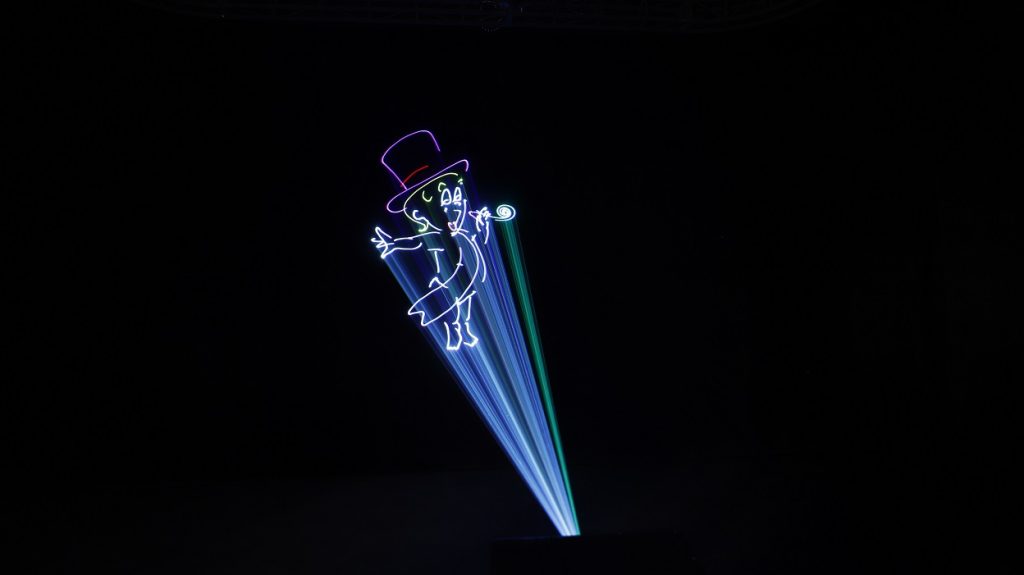
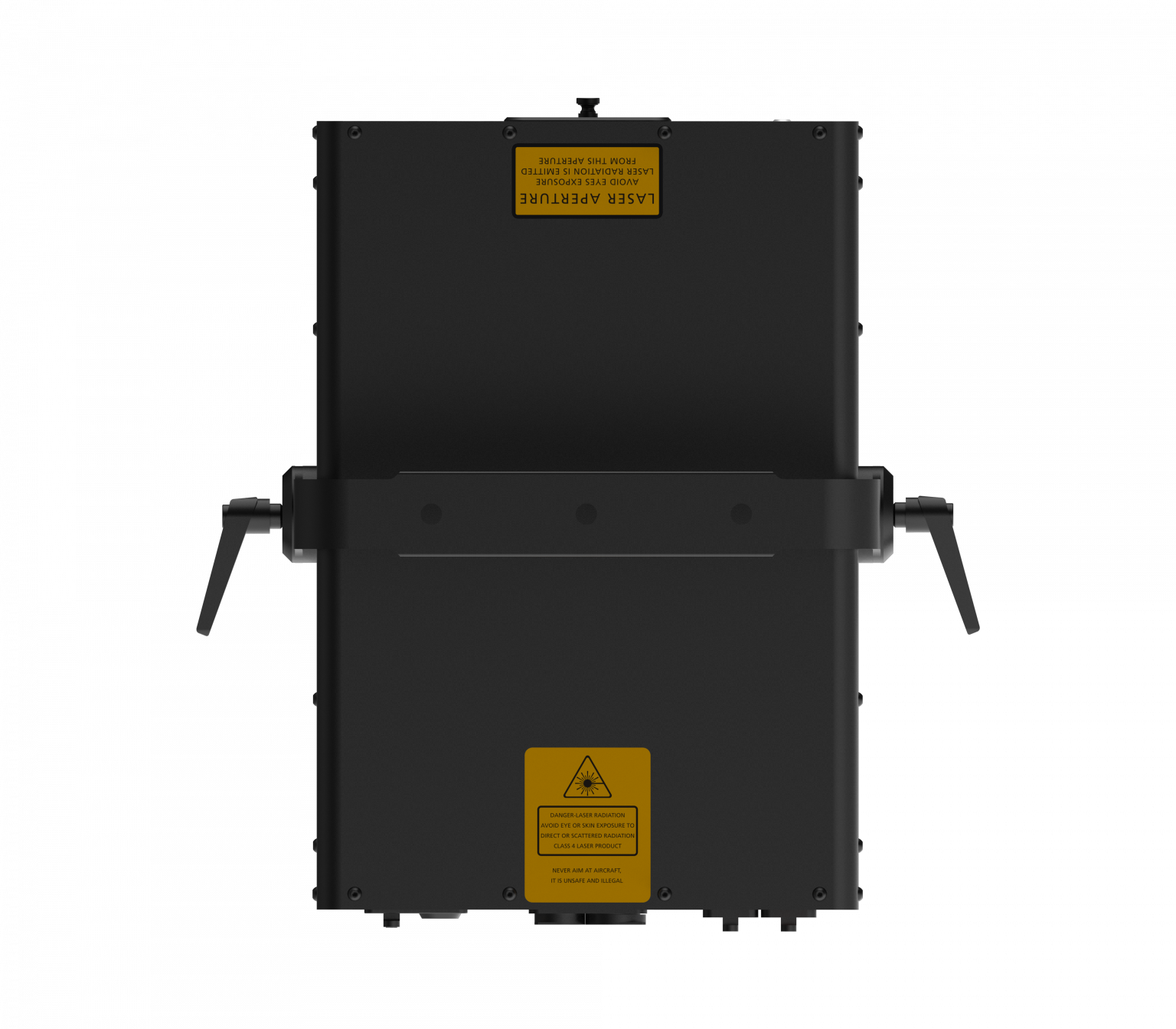
We will compare what matters, not just the brochure words. We will point to control protocols, thermal design, and safety practice. We will ask what fails and why. Then we will show how to choose with confidence—because your audience expects a show, not an excuse. Let’s move from claims to proof.
Hidden Pitfalls in Indoor Laser Installations
Why do indoor beams misbehave?
When people shop a light show projector indoor, they often assume any bright unit will do. Indoors, that belief breaks fast. Rooms reflect. Surfaces bounce power back. Beam divergence, scanning galvanometers, and DMX512 latency turn from buzzwords into real pain. If the projector throttles under heat, cues drift. If the control chain jitters, logos tear. Look, it’s simpler than you think: small thermal gaps cause big visual noise. Cheap fans, weak heat sinks, or mis-tuned power converters push units into thermal throttling. The result is dim frames, flicker, or a soft halo that ruins crisp text.
Another hidden issue is safety interlock culture. Indoors, the margin is thin. Eye-safe zoning, shutter timing, and IEC 60825 habits matter more than raw output. Many “traditional” fixes add a fog machine or slow the scanners. That is not a fix. It masks errors. Good suppliers log temperatures, mirror angles, and duty cycles. Great ones validate scan-fail detection and maintain IP54-level ingress control, even in dusty clubs—funny how that works, right?
Forward Look: Smarter Beams, Safer Rooms
What’s Next
The future is not only brighter; it is smarter. New systems pair sensors with local logic. Think edge computing nodes inside the head, watching thermal load and correcting scan speed in real time. A well-tuned 15w laser light can run stable if it manages heat at the source and modulates with fast PWM dimming. That way, frames stay crisp at low haze and variable ambient light. Semi-formal note for buyers: ask about closed-loop feedback on galvanometers, not just “fast” on the spec sheet. Ask how the unit tests DMX512 jitter and whether it supports sACN for redundancy.
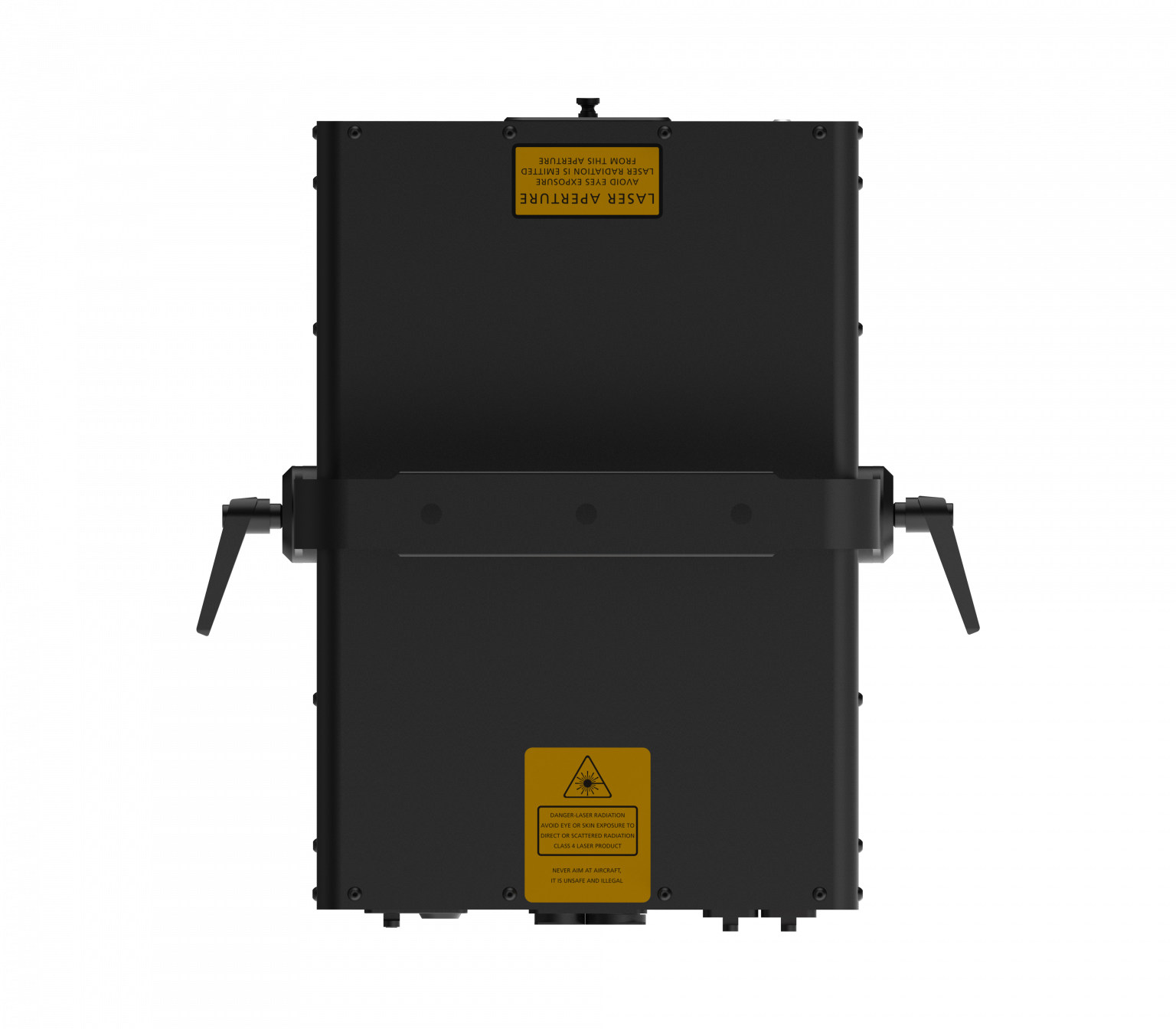
Comparing old to new shows a clear split. Older rigs chase brightness; newer rigs chase control. The best designs fuse beam shaping with safe zoning and verifiable logs. They export health data, so crews can spot sag before failure. They keep shutter times tight and confirm scan-fail without guesswork. And yes, they make setup quicker—one cable, one UI, less friction. That saves hours on show day. It also lowers risk and cost across the season—because prevention beats repair, every time.
How to Choose with Confidence
Let’s turn insight into action. Use three hard metrics when comparing suppliers, and you will filter the list fast. First, stability and control: demand beam divergence and scan accuracy specs in numbers (mrad and degrees), plus documented DMX/sACN latency under load in milliseconds. Second, thermal and power integrity: review heat sink design, airflow path, and continuous output at temperature; confirm power converters, derating curves, and protection features against spikes. Third, safety practice and compliance: require IEC 60825 documentation, working scan-fail detection, shutter response under 50 ms, and a clear indoor zoning guide. If a vendor provides field logs and real stress tests, you have a partner. If not, you have risk—plain and simple. carry these checks to the demo, pause between cues, and read the data—not the adjectives. And if you need a reference point or deeper spec detail, consult a proven engineering-led maker like Showven Laser.