
Why low-volume projects fail before they start
You planned a short run, assumed one supplier would handle it, and now you’re facing missed tolerances and a rising parts backlog. The core failure is mismatch: complex parts demand process capability that many general shops don’t prove for small batches. That’s why evaluating true capabilities—like available multi-axis strategies and documented runs of 5 axis cnc machining services—matters more than the lowest hourly rate. Suppliers that routinely serve aerospace hubs such as Airbus in Toulouse are a useful bellwether for what consistent quality looks like, and many list their 5 axis machining services up front so buyers can verify fit quickly.

Pinpoint the real problems to solve
Start by naming the failure mode: is it dimensional drift, surface finish, post-process variability, or delivery predictability? Each problem maps to a different supplier requirement. Dimensional drift calls for demonstrated multi-axis capability and robust fixturing; surface finish often demands specific toolpaths and spindle specs; delivery issues point to shop capacity and scheduling discipline. Ask for concrete evidence: sample inspection reports, process flow charts, and a short history of similar low-volume projects. That evidence separates talk from reality.
What to require from a supplier — a checklist that matters
Demand these items with your RFQ: clear run quantities with prototype and production phases; documented capability studies (Cp/Cpk or sample SPC charts) for critical features; fixturing approach and fixture ownership for small runs; inspection reports showing first-article results; explicit NRE or setup costs and what they cover; and a plan for change control if design tweaks are needed. Don’t accept vague assurances about “capable machines.” Ask how they’ll prove capability on your part before purchase orders are placed.
Common mistakes buyers make — and how to avoid them
They over-specify cosmetics that cost time but don’t add functional value. They under-specify control points, leaving ambiguous tolerances. They assume quoting shops know fixture needs and inspection plans. Avoid all three by prioritizing functional tolerances first, listing exactly which surfaces require measurability, and requesting the supplier’s fixture and inspection strategy in the quote. Confirm whether the supplier owns probe-equipped CMMs or plans to outsource measurements; that affects lead time and traceability.
Viable alternatives and when to choose them
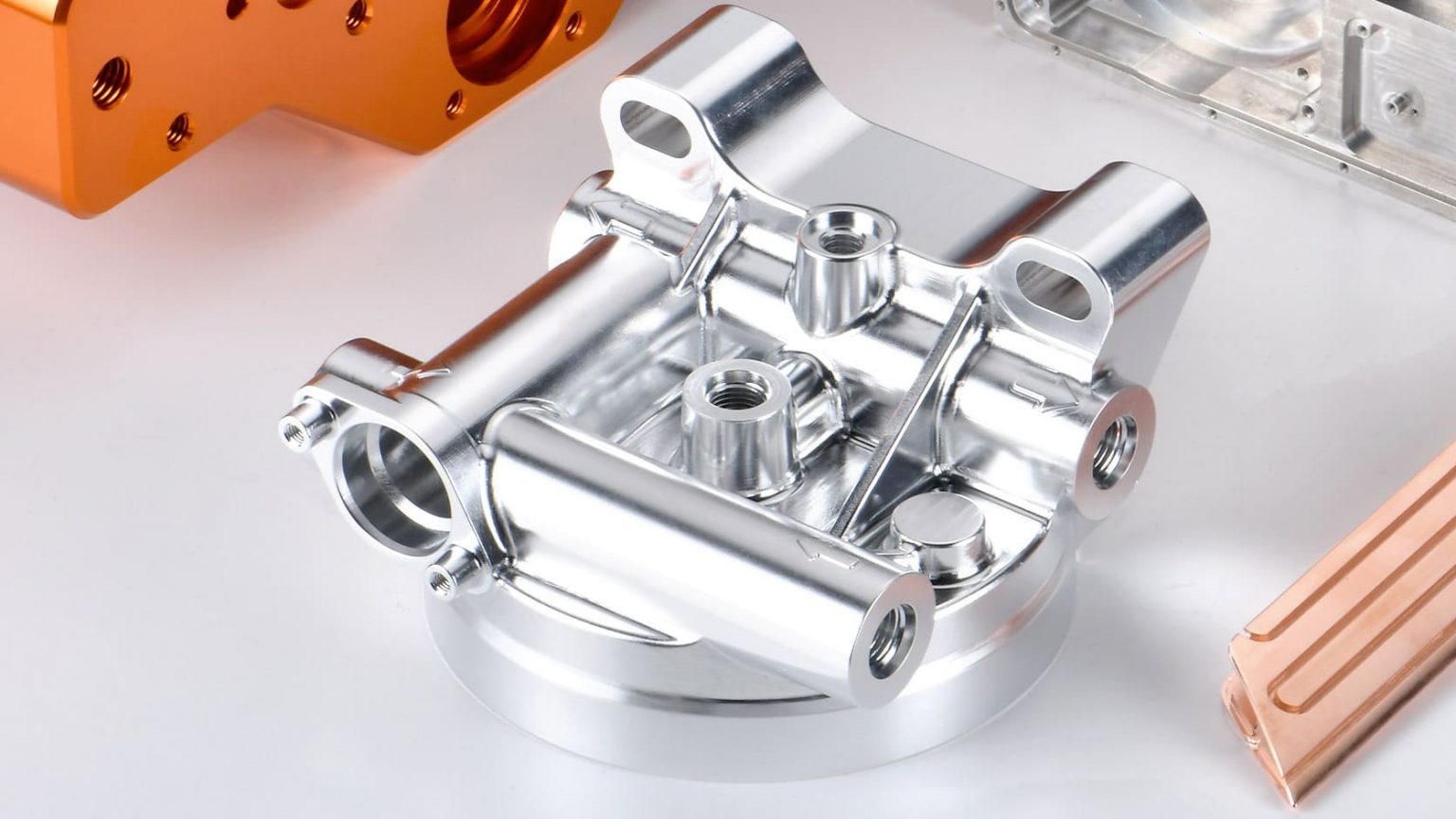
Not every low-volume project requires five-axis work. For prismatic parts with simple overhangs, indexed 3-axis milling can be faster and cheaper. For small, turned components, Swiss-type lathes reduce operations. Additive manufacturing can cut tooling for complex internal features but adds post-machining needs. Use 5-axis for complex contours, tight multi-surface datums, or when you must machine all faces in one setup to hit demanding tolerances. Match the process to the geometry, not the other way around.
How to evaluate quotes and protect delivery
Compare total landed cost, not just per-hour machining. Confirm lead times for prototype, validation, and repeat runs. Insist on sample acceptance criteria: what denotes pass/fail for your first article. Require written escalation and revision procedures so small design tweaks don’t cascade into schedule chaos. When lead time matters, prioritize suppliers that publish machine availability, spindle horsepower, and tool-change capability—those specs predict whether they can hold tight schedules without shifting your job.
Final synthesis
Low-volume success is simple to define and hard to achieve: pick a supplier that demonstrates process capability for your critical features, documents how they’ll control setup and inspection, and matches the right machining strategy to the geometry. Trust opens when evidence replaces promises—inspection data, fixture plans, and past work matter. That practical, evidence-first approach is exactly what experienced buyers look for when they review partners such as Hanstar, because the decision isn’t about one tool or one price; it’s about measured, repeatable delivery on the parts you need.