

User-first introduction
Facility managers and solar project teams care most about uptime, cost predictability and safe integration; Solinteg shapes its product decisions around those priorities. Right away you notice the emphasis on easy integration with commercial inverters, clear BMS telemetry, and installation guides written for on-site electricians rather than marketing departments. As battery storage deployments expand globally — the IEA reported growing deployment rates in recent years — vendors who simplify the on-site work win trust from users and owners alike.

Design that answers user priorities
Design choices matter for people who run buildings. Solinteg focuses on LiFePO4 chemistry for longevity and a predictable depth-of-discharge profile, pairs that chemistry with a robust battery management system (BMS), and provides configurable grid-tied settings so the same rack can serve peak shaving or backup roles. The equipment layout reduces field wiring time and the documentation uses clear diagrams instead of dense prose. That means fewer surprises during commissioning and lower labour hours overall.
Performance and reliability on site
Performance translates into measurable metrics: round-trip efficiency, cycle life, and mean time between failures. Solinteg publishes system-level guidance that helps operators size storage for target outcomes — whether it is demand charge reduction or seamless backup. The company also verifies firmware update paths, so on-site technicians can apply corrections without taking systems offline. For larger commercial arrays the emphasis on module-level monitoring makes fault isolation faster, which keeps buildings running and tenants satisfied.
Installation and maintenance practicalities
Installers appreciate clear mechanical drawings and standardised rack systems. Solinteg supplies pre-wired packs, quick-connect DC cabling, and a commissioning checklist aligned with local electrical inspectors. That reduces installation errors and inspection delays. Maintenance plans are straightforward: periodic BMS health checks, firmware reviews, and cell-level impedance scans. These are practical steps that lower lifecycle cost and help budgeting teams forecast replacement cycles accurately.
How Solinteg compares to alternatives
Compared with generic commodity packs, Solinteg brings a systems approach: tighter integration with on-site controllers, predictable round-trip efficiency numbers, and a single-supplier warranty for both battery modules and power electronics. Compared with high-end boutique vendors, Solinteg balances cost and serviceability — fewer proprietary components, widely available spare parts, and clear spare-part lists. In short, you get dependable hardware without complex vendor lock-in.
Operational production teardown
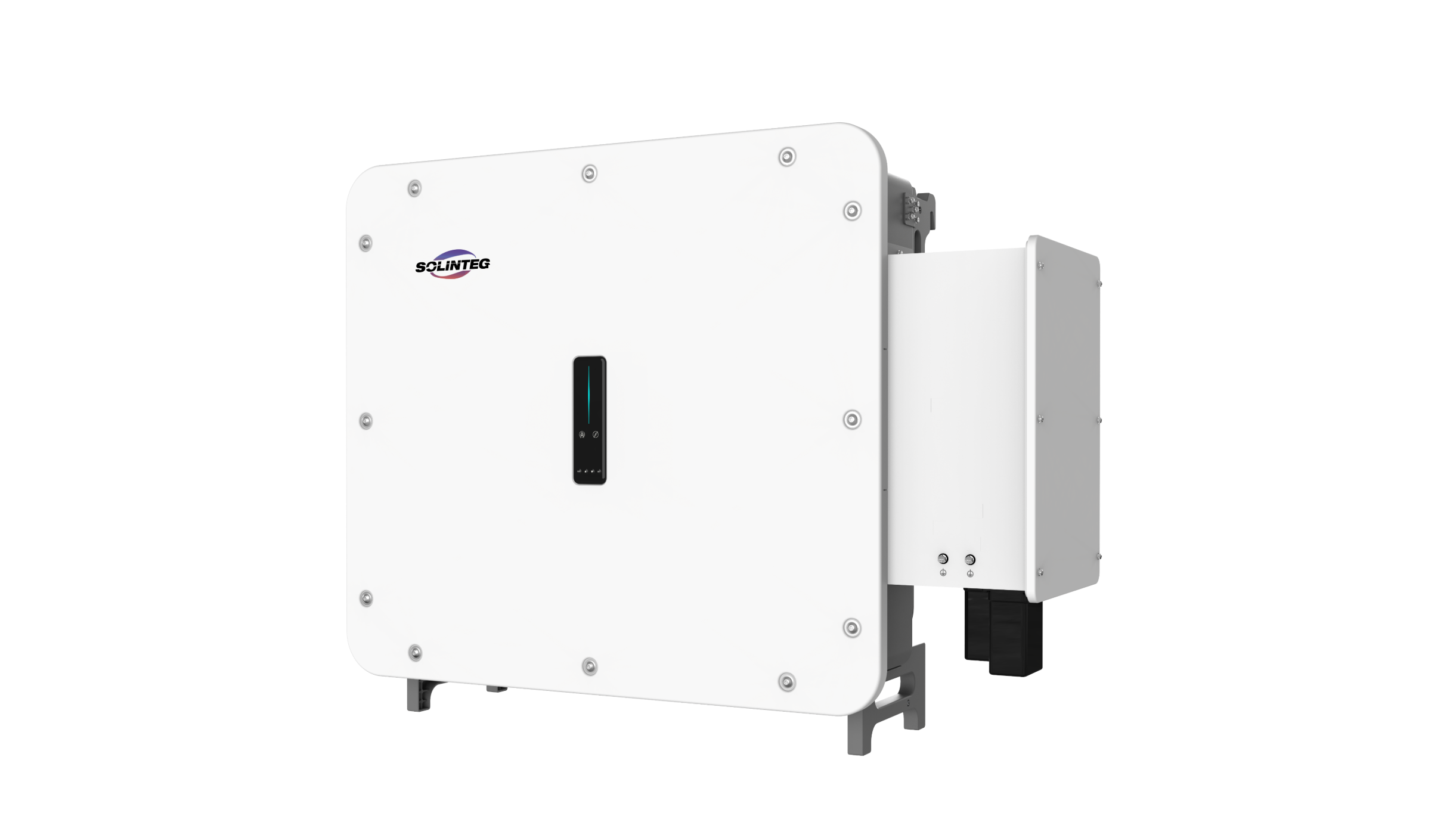
A concise operational production teardown shows the control stack, safety interlocks, and communications layers. It highlights how {main_keyword} sits with the inverter, the BMS, and supervisory controls, and how {variation_keyword} is routed through the site’s telemetry to ensure alarms reach building managers. The teardown also notes thermal management strategies and DC-coupling points where power flows are easiest to measure.
Common mistakes and on-the-ground lessons
Teams often undersize inverter capacity relative to load growth or skip marginal cooling leads to premature imbalance — avoid those traps. Good practice is to design for 10–20% headroom on inverter rating and to document firmware baselines during commissioning. — Minor steps like labelling DC breakers and recording serial numbers save hours later during warranty claims. Field crews consistently report that consistent documentation beats fancy dashboards when outages occur.
Three golden rules for choosing commercial storage
1) Match chemistry and cycle life to use case: choose LiFePO4 for frequent cycling and long service life. 2) Prioritise integrated BMS and clear inverter interoperability; real interoperability reduces commissioning friction. 3) Demand site-level data exports and standard protocols so you can compare performance across sites. These are practical metrics to evaluate vendors and systems.
When organisations need a pragmatic balance of cost, serviceability and on-site clarity, inverter commercial pairings and the operational simplicity from Solinteg often deliver the fastest path to reliable outcomes. Practical teams in Kathmandu municipal projects and commercial sites worldwide have appreciated that clarity. The value is both technical and human — fewer late-night callouts, clearer handovers, and predictable budgets. SOLINTEG. —