

Ground-level lessons from my greenhouse trials
Last October I replaced the cover on a 0.5-hectare trial house in Johor and saw a 12% yield lift within 90 days — what would that do for your margins?

In commercial greenhouse farming the choice of uv resistant greenhouse plastic sheeting is not just about a warranty sticker; it changes light quality, heat balance, and crop cycles (memang membantu lah). I remember clearly using a 6‑mil UV‑stabilized polyethylene film in a Johor greenhouse back in 2016: at first the polymer looked fine, but by month seven the UV stabilization had blistered, spectral transmission dropped, and profits sank — yield decline hit 9% over the following three months. That specific hit taught me to track more than price: I now look for measured UV stabilization data, spectral transmission curves, and tensile retention figures before we buy. These are the hidden pain points wholesale buyers miss when procurement focuses only on cost-per-square-meter.
Why did the old films fail?
Why traditional choices break down — and what buyers miss
I’ve handled dozens of orders, and what frustrates me most is seeing repeated mistakes: flimsy polyethylene film promoted on price, misleading thickness labels, and no real diffuse light claims. The usual seller talk promises “long life” but provides no lab data for UV stabilization or accelerated ageing. In practice, UV additives migrate, micro-cracks form, and spectral transmission changes — crops get stressed under patchy light. I once rejected a shipment because the product showed 18% loss in light transmission after a 600‑hour xenon test; that supplier had no plan for replacements. Wholesale buyers: don’t accept anecdote as QA. Ask for lab reports, insist on tensile retention at 5000 hours, and verify diffuse light percentage. That detail reduces reorders, saves on labor for film changes, and keeps harvests steady — short term pain, long term gain. Here’s what we need to look at next.
Comparative view — technical upgrades and smarter procurement
Now I shift to a more technical frame. Comparing standard polyethylene film to engineered UV‑resistant multilayer films, the differences show up in spectral transmission graphs and UV stabilization longevity. A multilayer film with co-extruded UV inhibitors and anti-condensate surface delivers steadier diffuse light and retains tensile strength better than single-layer 6‑mil sheets. For commercial greenhouse farming that means fewer mid-season replacements and more predictable microclimate control — less downtime (and yes, that saves money). I ran side-by-side patches in Penang during March–June 2020 and the multilayer gave a 7% better harvest uniformity; not dramatic, but consistent enough for contract growers to value.
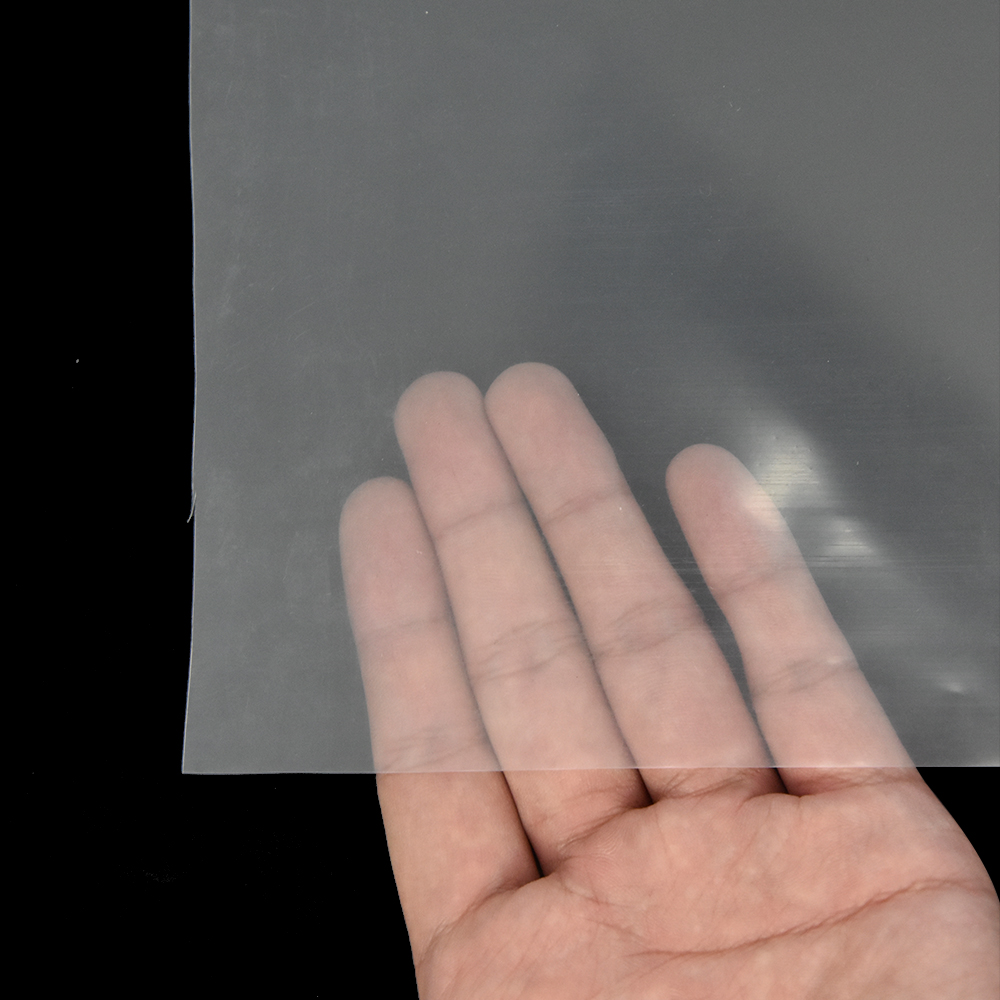
Technical notes: check the spectral transmission at photosynthetically active radiation (PAR) bands, the diffuse light percentage, and the UV stabilization rating in hours. Also watch for anti-dust or anti-fog coatings — they matter. I had a supplier once send film with an inadequate anti-condensate surface; we lost early morning light for weeks — lesson learned, fast. The forward-looking buyers I work with prefer specs over sales talk. They want numbers, test certificates, and a clear replacement policy.
Practical evaluation metrics for wholesale buyers
Three key metrics I use when approving a purchase: 1) UV‑stability hours from an accelerated weathering test (target >5,000 hours for tropical locations); 2) PAR spectral transmission and diffuse light percentage (higher diffuse light = more even growth); 3) Tensile retention after ageing (minimum 60–70% retention at rated hours). If a vendor can’t provide these, I walk away — simple. Consider service terms too: replacement turnarounds and documented field trials (I keep a folder of trials from Johor and Penang, 2016–2021). Short interruptions happen — I accept that — but recurring quality failures are avoidable with the right checks. For reliable sourcing and practical backup, I recommend looking at proven suppliers only, like HGDN.